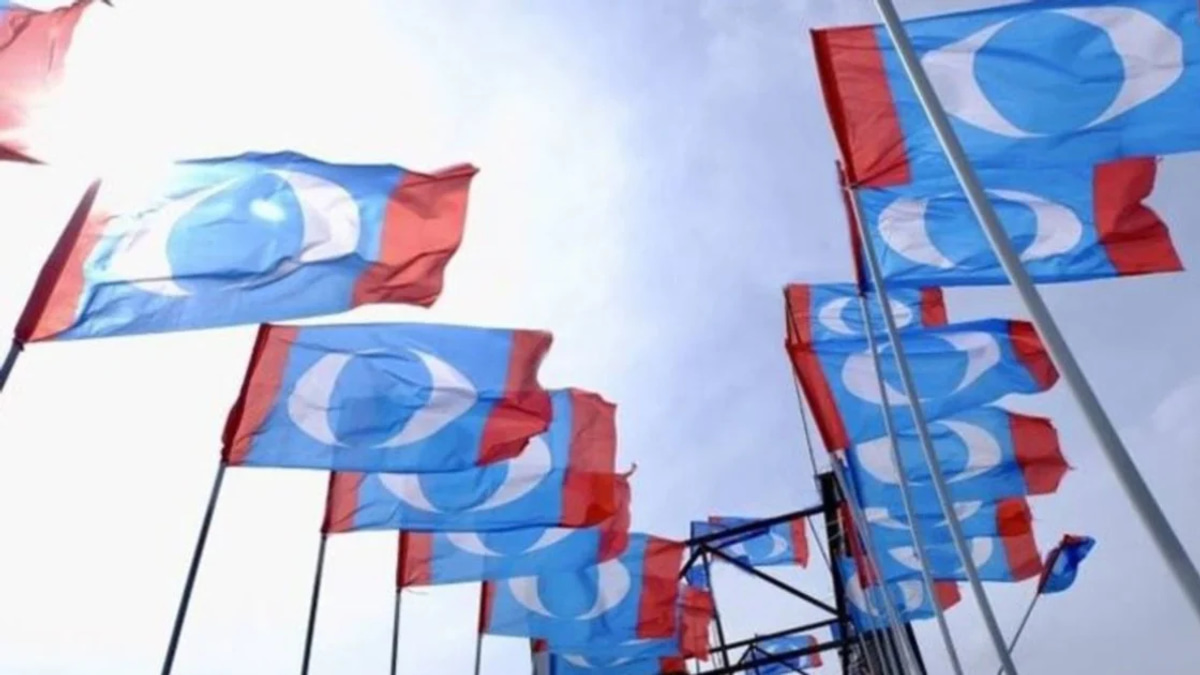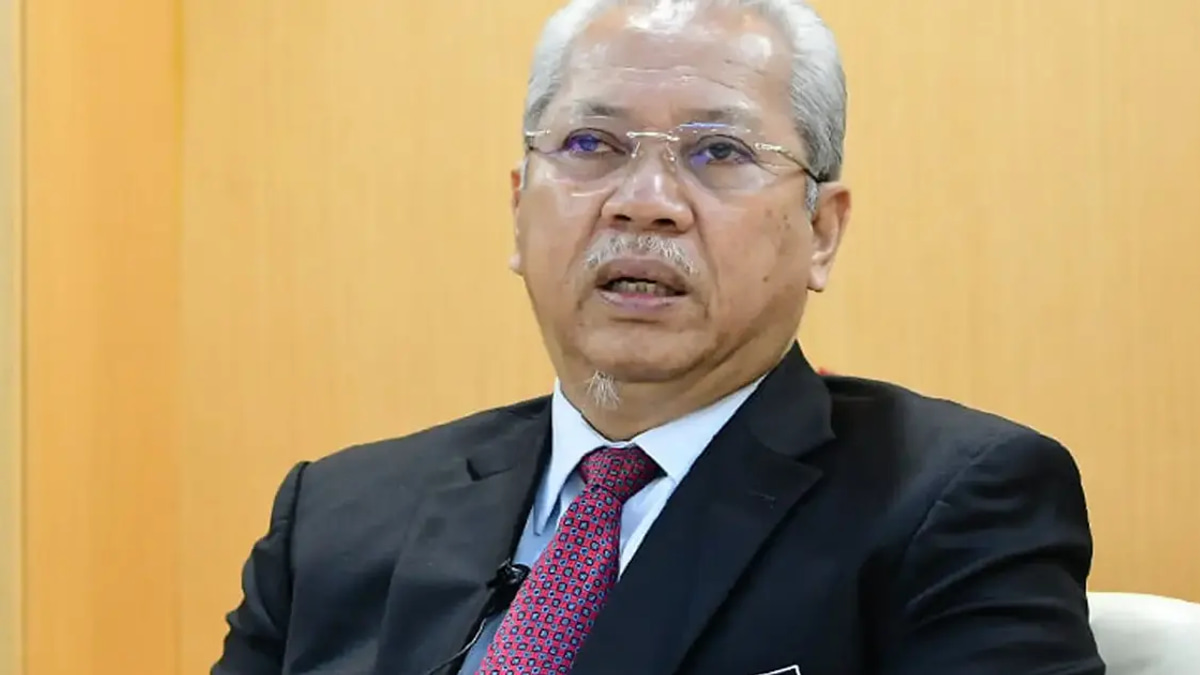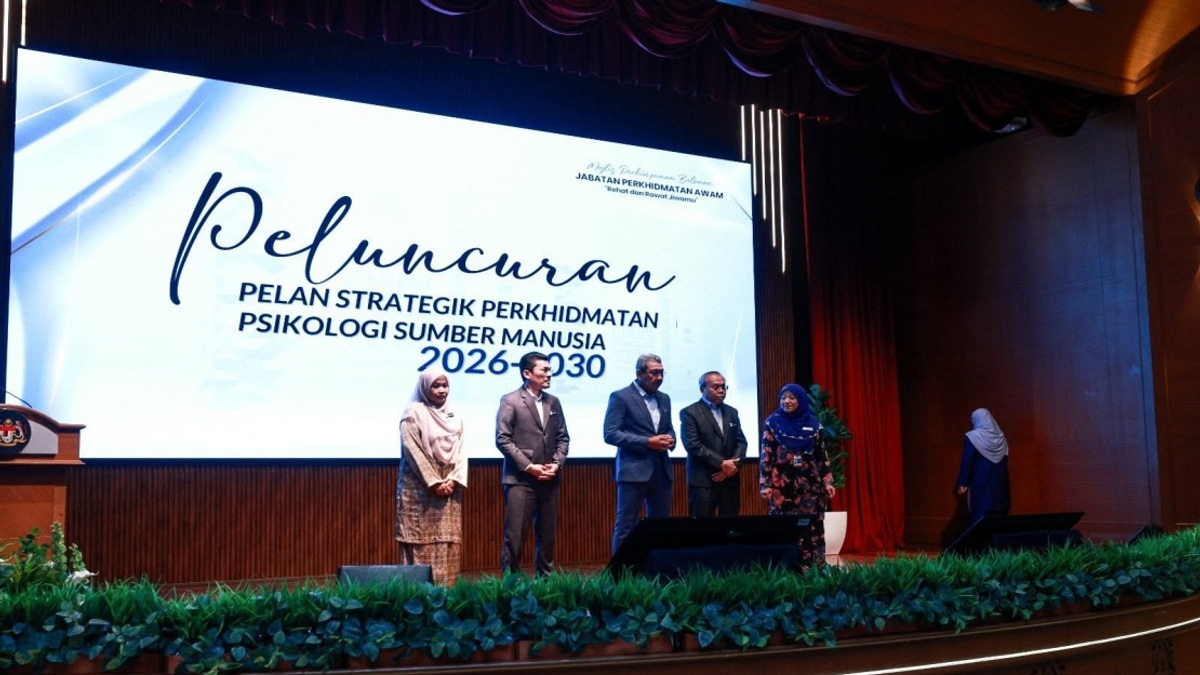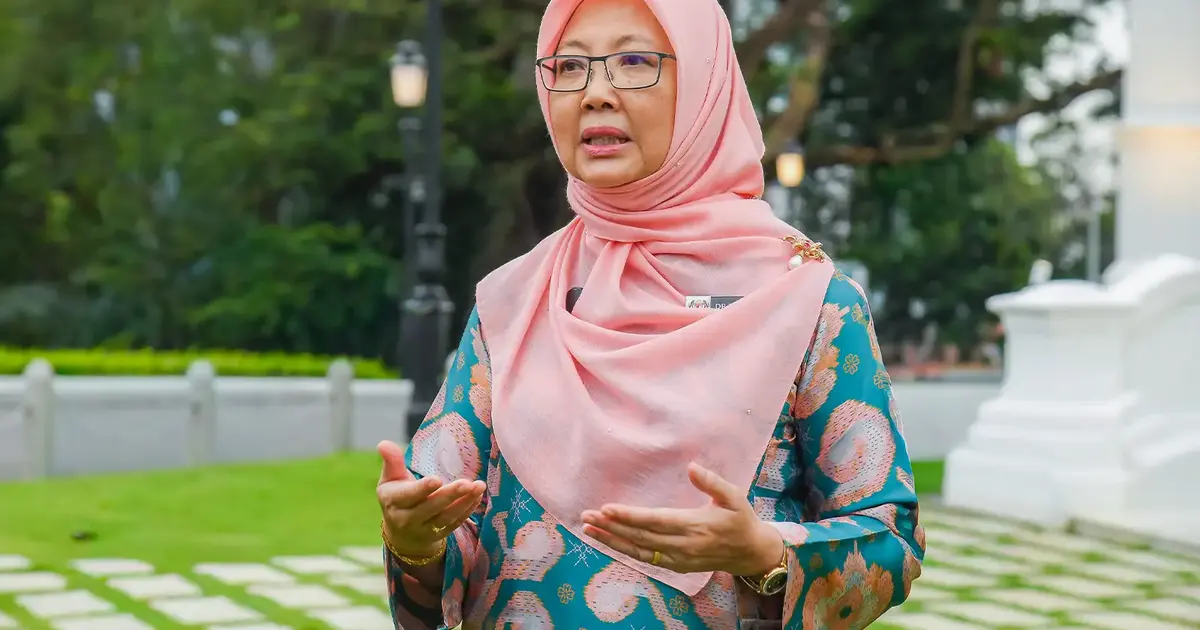
PKR vice-president Zaliha Mustafa has expressed bewilderment at Johor Barisan Nasional chairman Onn Hafiz Ghazi's public demand that Pakatan Harapan identify its intended menteri besar candidate ahead of the state elections, citing the fundamental problem that no appointment is assured regardless of campaign messaging.
The strategic quandary that Zaliha has highlighted reveals the complex political calculations underlying state-level contests in Malaysia's most competitive electoral battlegrounds. Onn Hafiz's request appears to presume that PH would naturally secure a victory in the forthcoming Johor polls, effectively allowing them to determine the chief ministerial position. This assumption contradicts the fluid nature of Malaysian electoral politics, where seat tallies and post-election coalition negotiations often produce unexpected outcomes.
Zaliha's puzzlement reflects a deeper reality in contemporary Malaysian politics: the gap between campaign narratives and post-election realities has widened considerably. Even in states where a particular coalition performs strongly, the actual distribution of top positions frequently depends on last-minute negotiations, bargaining power among component parties, and the preferences of the sultans or governors involved. Naming a public face for the menteri besar position before knowing the electoral outcome carries significant political risk.
For Johor specifically, the stakes are extraordinarily high. As Malaysia's second-largest state by population and a traditional stronghold of UMNO-led coalitions, control of the state government carries symbolic and material consequences far beyond its borders. The state's economic importance, its strategic location adjacent to Singapore, and its historical significance to Malay-Muslim political identity make the Johor contest a proxy battle for broader claims about which coalition commands genuine democratic support.
From a practical standpoint, Zaliha's hesitation also reflects institutional realities that foreign observers often overlook. In Malaysia's constitutional framework, the menteri besar position is not simply handed to the coalition that wins the most seats. The Sultan of Johor retains considerable discretion in determining which candidate will be appointed. Sultans have occasionally surprised political observers by selecting individuals outside the victorious coalition's expected hierarchy, or by insisting on particular candidates despite objections from party leaderships.
The demand from Onn Hafiz also carries tactical implications. By publicly naming a candidate before the election, PH would expose that individual to months of intense scrutiny, personal attacks, and opponent research. BN would gain extensive time to build negative messaging around the chosen figure, whilst simultaneously eliminating any strategic flexibility PH might exercise in the event of unexpected political shifts between now and election day.
Historically, Malaysian parties have learned through painful experience that pre-election announcements of menteri besar candidates can backfire spectacularly. Party leaderships have been forced to swap designated candidates due to unforeseen scandals, defections, or shifts in the political landscape. In such situations, publicly designated candidates become liabilities rather than assets, and the party faces credibility damage when forced to pivot away from its earlier commitments.
Zaliha's scepticism also hints at the internal coalition dynamics within PH itself. The bloc comprises multiple parties with sometimes competing interests—PKR, DAP, Amanah, and PKR's ally PSB, among others—and any choice of menteri besar candidate would necessarily privilege one faction's interests over others. Announcing such a selection prematurely could trigger internal tensions, weaken unity during the campaign phase, and provide opponents with ammunition to suggest that the coalition has already decided on power-sharing arrangements that disadvantage particular groups.
For Malaysian voters and political observers, Zaliha's response underscores a broader lesson about campaign management in the country's highly competitive electoral environment. Political coalitions must balance transparency and confidence-building with strategic flexibility and protection against tactical exploitation by opponents. The tension between these objectives explains why major coalitions often resist demands to provide excessive detail about post-election governance arrangements before ballots are cast.
Onn Hafiz's public challenge may ultimately reflect the competitive anxiety within BN's Johor machinery. Demanding that PH name its candidate could be interpreted as an attempt to shift the narrative from BN's own governance record and policy platform toward forcing the opposition into uncomfortable public commitments. Conversely, it might signal genuine confidence that BN will retain control regardless of who PH designates.
The exchange between Zaliha and Onn Hafiz illustrates how Malaysian state elections have become increasingly sophisticated political contests, where coalition strategy, institutional frameworks, and post-election power dynamics all intersect with electoral campaigning. Rather than simple contests between popular platforms, contemporary state races involve intricate calculations about positioning, messaging, institutional constraints, and potential post-election scenarios. Zaliha's resistance to naming a poster boy reflects recognition that in Malaysia's political system, promising too much too early often invites complications that outweigh any short-term campaign benefits.