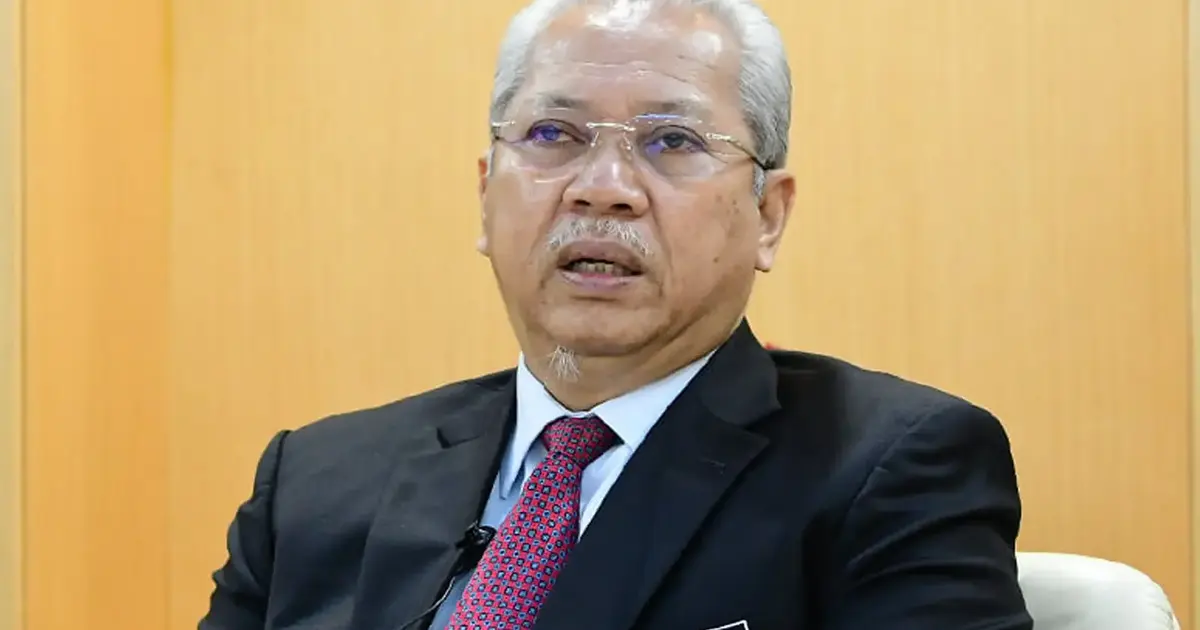
Perikatan Nasional (PN) has scheduled a critical Supreme Council meeting for Monday to address mounting tensions within the opposition coalition, particularly disputes surrounding Bersatu's status and the coalition's identity. Information chief Annuar Musa indicated that fundamental questions about the party's future involvement in PN and determination over which emblem the coalition will deploy in electoral contests require intervention at the highest level of party decision-making.
The procedural move reflects deepening fault lines within the PN framework as it prepares for upcoming state assembly elections in Johor and Negeri Sembilan. These contests carry strategic significance for the coalition's standing as it seeks to expand its foothold in key peninsular states, where competition with the Pakatan Harapan government remains intense. The timing of the meeting underscores the urgency with which PN leadership views these outstanding matters, suggesting internal disagreements have reached a threshold demanding immediate resolution.
Bersatu's uncertain standing within the coalition has emerged as a persistent flashpoint over recent months. Questions persist regarding the party's continued participation in PN architecture and whether leadership decisions taken by its president represent consensus views within the broader coalition structure. These uncertainties have created complications for electoral planning, as PN subsidiary parties and allied candidates require clarity on coalition branding, resource allocation, and strategic positioning before campaigns commence.
The logo dispute carries implications extending beyond mere symbolism. Electoral commission regulations require candidates to appear on ballots with clearly defined party symbols, making this a practical necessity rather than aesthetic preference. Furthermore, voters typically identify political movements through consistent visual branding, and internal confusion about which emblem represents PN would undermine public recognition and campaign messaging effectiveness. The coalition's ability to project unified identity directly influences voter perception and campaign momentum.
Seat allocation negotiations between PN component parties traditionally involve protracted horse-trading, balancing electoral viability assessments against demands from smaller parties seeking competitive positions. The Johor and Negeri Sembilan elections present immediate deadlines for finalising these arrangements, as candidate nomination processes cannot proceed without finalised seat divisions. Delays in reaching consensus risk fragmenting campaign preparation and creating opportunities for Pakatan Harapan to consolidate advantages in marginal constituencies.
Johor represents particularly contested electoral terrain, given its historical significance within UMNO's traditional stronghold and the state's demographic diversity spanning urban and rural constituencies with distinct voting patterns. Negeri Sembilan meanwhile presents a smaller but strategically meaningful battleground where PN performance could shift the overall equation in peninsular politics. Success in either state would constitute validation of PN's coalition model, while poor performance could reignite debates about party compatibility and leadership credibility.
Annuar Musa's public acknowledgment that only Supreme Council deliberation can resolve these matters suggests that component party leaders have failed to reach accommodation through bilateral negotiations or lesser forums. This escalation indicates the disagreements cut to fundamental questions about coalition governance, resource distribution, and decision-making authority rather than representing minor administrative matters amenable to routine resolution. The necessity for formal council intervention signals ideological or strategic differences of substance among leadership figures.
The outcome of Monday's meeting will likely determine PN's organisational trajectory through the election cycle and potentially beyond. A successful resolution affirming Bersatu's commitment to the coalition while clarifying logo usage and seat arrangements would project stability and unified purpose to voters and party members alike. Conversely, any ambiguous compromise or continuing uncertainty would perpetuate the internal doubts that have already damaged coalition cohesion and effectiveness.
For Malaysian voters and Southeast Asian observers monitoring PN's development, Monday's session represents a crucial test of whether the coalition can function as an effective governing alternative. Internal coherence proves essential for any opposition movement seeking to challenge entrenched incumbents. The ability to resolve practical administrative disputes while maintaining component party autonomy and dignity ultimately determines whether PN can evolve into a mature political structure capable of delivering governance or whether it remains primarily a vehicle for personality-driven leadership struggles.
The proximity of elections in Johor and Negeri Sembilan means this meeting cannot be indefinitely postponed without cascading consequences for campaign timelines and party morale. Party workers require certainty about candidates and branding before undertaking intensive ground mobilisation. The Supreme Council therefore faces genuine pressure to produce substantive decisions rather than delaying tactics that merely defer unresolved tensions to subsequent meetings.