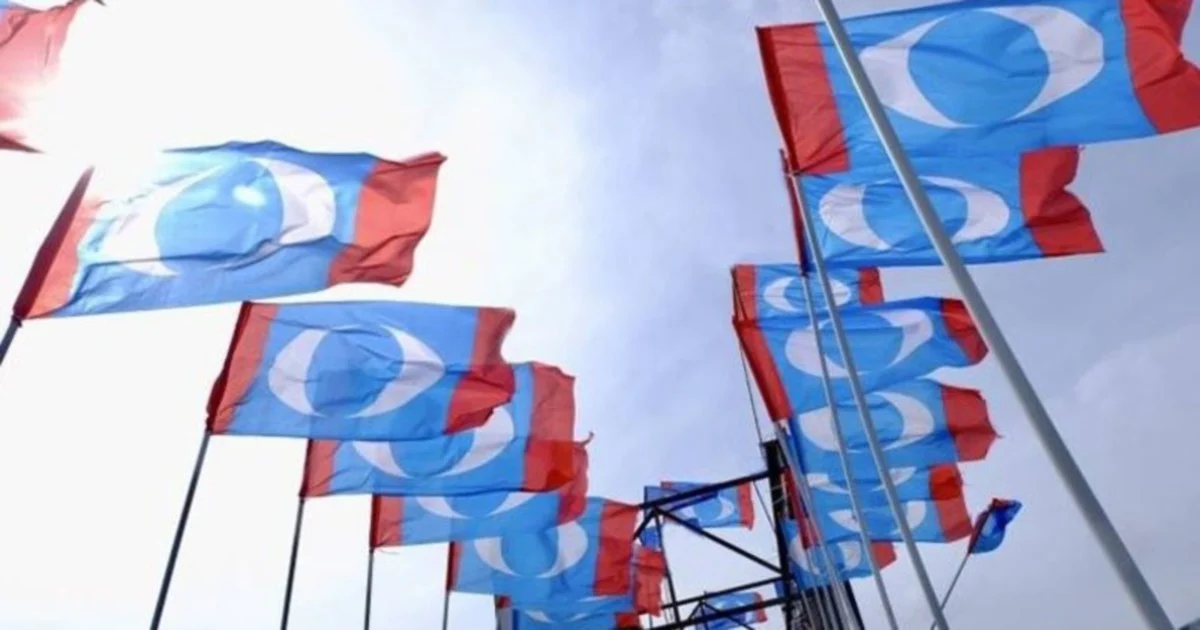
PKR is in the final stages of formalising its candidate selection process for the simultaneous Johor and Negri Sembilan state elections, with party secretary-general Datuk Dr Fuziah Salleh indicating that the slate is virtually locked in at 99 per cent completion. The announcement signals the party's readiness to begin campaigning and represents a significant organisational milestone as Malaysia's electoral calendar shifts into higher gear with multiple state-level contests looming across the peninsula.
The Kuala Lumpur MP's statement from Johor Baru underscores the intensity of PKR's preparation for contests that will reshape political dynamics across two important states. Johor, traditionally a stronghold of UMNO, presents the Anwar Ibrahim-led party with a critical opportunity to expand its peninsular influence. Negri Sembilan, meanwhile, remains a competitive theatre where coalition politics and local grievances will determine outcomes.
PKR's meticulous approach to candidate selection reflects the party's understanding that nomination decisions can make or break electoral fortunes. The party has likely spent weeks vetting hopefuls, balancing factional interests, considering seat viability, and ensuring demographic representation that resonates with contemporary Malaysian voter expectations. At 99 per cent completion, the final one per cent suggests possible last-minute adjustments or contingencies for unexpected circumstances.
The timing of such announcements matters considerably in Malaysian politics. By confirming near-finalisation well ahead of official nomination dates, PKR signals organisational competence and internal unity to both supporters and sceptical voters. This messaging becomes particularly important given the party's coalition dynamics, where coordination with DAP, Amanah, and potentially other partners requires careful synchronisation to avoid seat clashes and voter confusion.
For Malaysian political observers, PKR's readiness in both states demonstrates the maturation of its party machinery since formation in 1998. The party has evolved from a reform movement into an institution capable of orchestrating complex electoral operations spanning multiple states simultaneously. This institutional depth distinguishes PKR from purely personality-driven or regionally-limited political entities that dominate Malaysian politics.
The reference to Johor carries particular significance for Southeast Asian regional watchers. As Malaysia's southernmost state, Johor bridges the peninsula with Singapore and commands considerable economic and strategic importance. A strong PKR showing there would validate Anwar Ibrahim's nationwide political project and strengthen Pakatan Harapan's hand in future federal negotiations. Conversely, weak performance might encourage UMNO's reformist elements to reconsider coalition possibilities.
Negri Sembilan, though geographically smaller and less populous than Johor, occupies an outsize role in Malaysian political narratives. The state has historically served as a testing ground where novel political configurations first emerge before spreading nationally. PKR's performance there will offer early signals about whether urban-educated voters and rural constituencies are responding uniformly to the party's messaging or splintering along demographic lines.
The near-completion announcement also reflects PKR's need to maintain internal morale and manage expectations among party members eyeing candidacy. By confirming that decisions are finalised, the party leadership closes the door on endless speculation and late interventions from senior figures seeking to impose favoured candidates. This decisiveness, whether genuine or tactical, strengthens central authority and reduces the intra-party conflicts that often undermine campaign effectiveness.
From a broader Southeast Asian perspective, PKR's electoral activities feed into larger questions about democratic quality and coalition stability across the region. Malaysia's multi-party, ethnically-divided democracy presents different challenges than Thailand's polarised two-bloc politics or Indonesia's fragmented party system. PKR's ability to sustain cross-communal coalitions while managing internal diversity offers lessons for other parties navigating plural societies.
The candidate finalisation process also illuminates how Malaysian parties balance meritocratic selection with affirmative action considerations. PKR, as a progressive party, faces pressure to elevate women, youth, and marginalised community representatives. Such internal negotiations—balancing principle against electoral pragmatism—typically consume weeks and generate considerable backstage tension before reaching public announcement stages.
Looking ahead, the 99 per cent completion figure suggests that formal nominations could arrive imminently. This timing would allow candidates approximately 3-4 weeks for localised campaigning, a relatively compact period that advantages incumbent-held seats and established political machinery. Newer candidates and those in contested territories face pressure to generate rapid momentum and build grassroots networks quickly.
For Malayian voters in both states, PKR's candidate slate will determine their actual electoral choices. Names matter less than their alignment with local concerns—unemployment, education quality, infrastructure development, housing affordability, and religious-cultural representation dominate state-level discourse. The party that fields candidates genuinely rooted in communities and responsive to grievances typically outperforms those relying on parachuted national figures.
As Malaysia moves deeper into this electoral season, PKR's final push toward complete candidate nominations will occupy media attention and internal party management. The difference between 99 per cent and 100 per cent completion—whether that final one per cent reflects strategic reserve capacity, genuine uncertainty, or simple rhetorical hedging—will likely reveal itself in coming days, offering fresh insights into how contemporary Malaysian political parties orchestrate their electoral machinery.