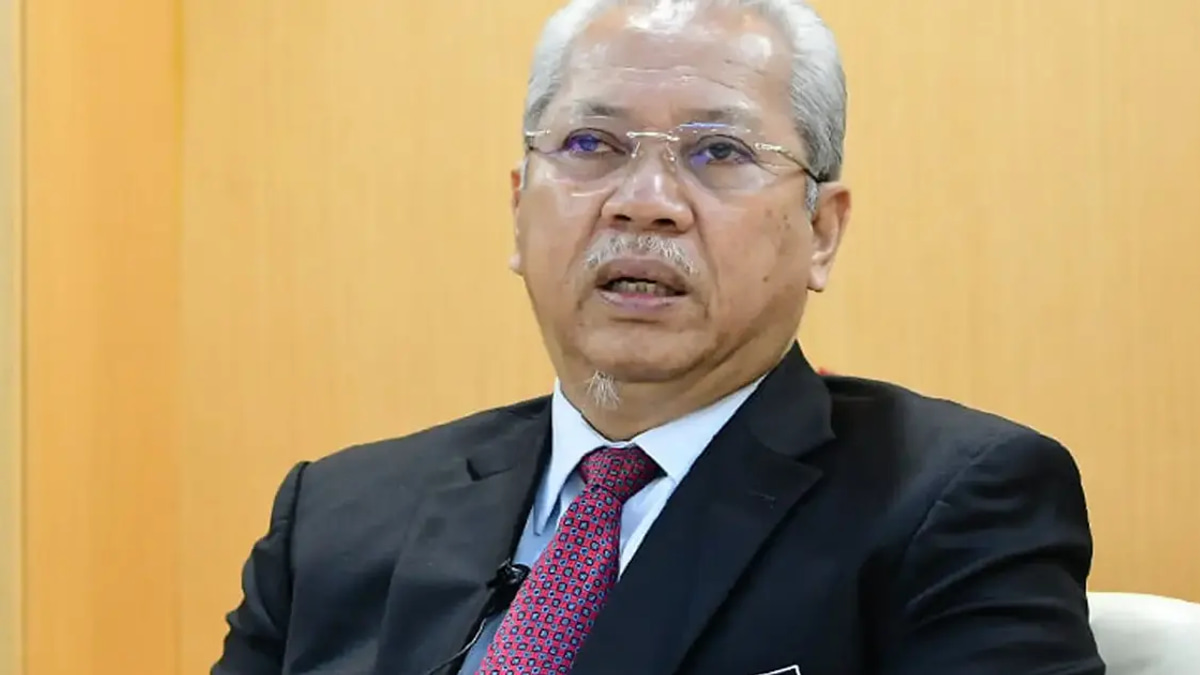
A 16-year-old Form Four student died at a secondary school in Seremban on Wednesday, prompting immediate action from Malaysia's top education officials. Education director-general Datuk Dr Mohd Azam Ahmad visited the bereaved family at Rembau Hospital's Forensic Unit and held a press conference to address initial findings from the investigation into the incident, which unfolded during the school's academic reporting day.
According to Datuk Dr Mohd Azam, preliminary investigations have revealed no evidence of bullying or mistreatment involving the deceased student. Speaking to reporters following his meeting with the student's parents, he emphasised that the young woman had appeared to be in good health and displayed no unusual behaviour when she arrived at school that morning. The education chief stressed that information gathered from conversations with family members and school staff has not uncovered any indication of social or interpersonal problems that might have contributed to the tragedy.
The circumstances surrounding the incident remain under investigation, with police receiving a report at 10.48 am after the student was discovered unconscious within the school compound. The case has been classified as a sudden death by Negeri Sembilan police, who are continuing their inquiries and gathering statements from witnesses. A post-mortem examination is also underway to establish the medical cause of death, as preliminary assessments suggest the student had no known health conditions or medical history that might explain the sudden collapse.
Notably, the incident occurred when the student had requested permission to visit the toilet during the academic reporting day—an event designed to brief parents on their children's academic progress and achievements. The girl's father was present at the school at the time, which underscores the random and unexpected nature of the tragedy for all involved. Datuk Dr Mohd Azam expressed sympathy for the family, calling on the community to support them during this difficult period.
The Ministry of Education has instructed both the Negeri Sembilan state education department and the school to conduct a comprehensive examination of all circumstances surrounding the death. This thorough review aims to identify any factors that may have contributed to the incident and to ensure that all protocols and procedures were properly followed. While no medical history or bullying indicators have emerged so far, officials are leaving no stone unturned in their investigation to provide answers to the grieving family.
Education Minister Fadhlina Sidek and Negeri Sembilan Menteri Besar Datuk Seri Aminuddin Harun were also present during the visit to the family, signalling the seriousness with which the state and federal authorities are treating the matter. Their presence reflects the commitment of senior government figures to provide support and oversight during the investigation, as well as to reassure the public that all necessary steps are being taken to understand what happened.
The ministry has made an explicit appeal to the public not to share photographs, video recordings, or other media content related to the incident. This request stems from a desire to protect the family's privacy and to prevent the circulation of sensitive material that could cause them additional emotional harm during their grieving process. In an age of social media and rapid information sharing, such appeals highlight the tension between public interest and the need to safeguard vulnerable families from further distress.
Beyond the immediate investigation, the Education Ministry has announced plans to provide psychosocial support services to multiple groups affected by the tragedy. These include the deceased student's family members, her classmates, and the teachers and school staff who were present when the incident occurred. Recognising that sudden deaths in school settings can have profound psychological impacts on entire school communities, the ministry is taking a holistic approach to supporting those affected.
For Malaysian schools and parents, this incident raises important questions about student welfare, health monitoring, and emergency preparedness in educational institutions. While the current investigation has not pointed to any obvious social or behavioural factors, the case demonstrates the unpredictability of medical emergencies and the critical importance of having proper medical facilities and trained personnel available on school premises. The incident also underscores the broader responsibility that schools bear in safeguarding the physical and mental wellbeing of students, particularly during high-pressure academic periods when parents visit to review progress reports.