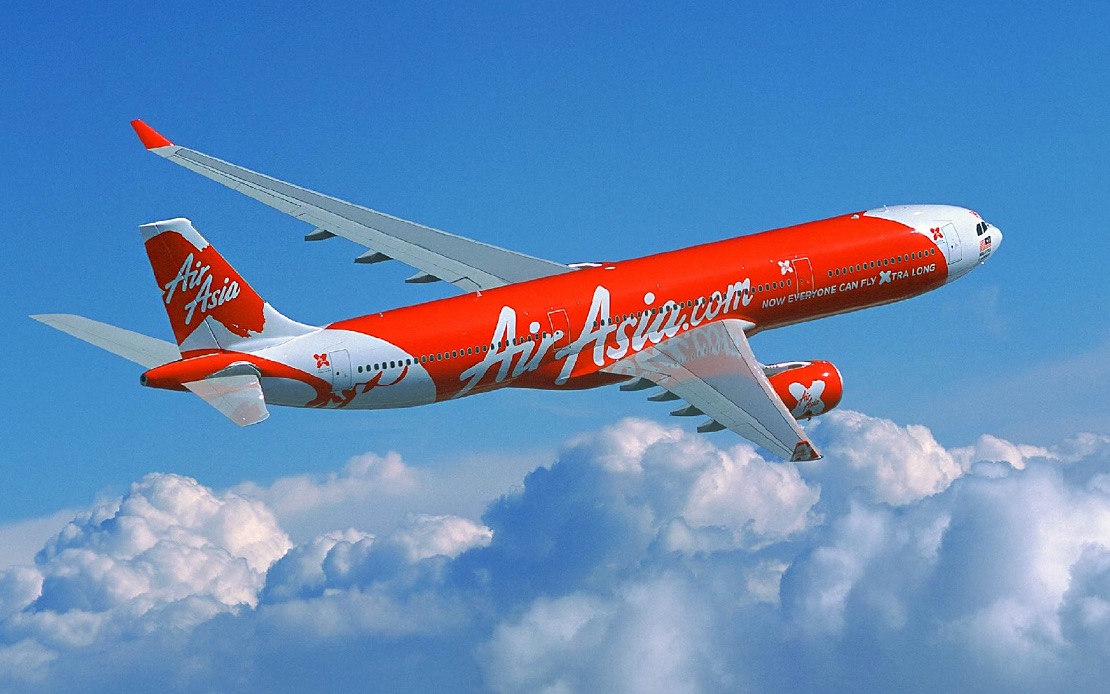
AirAsia's inaugural direct service between Jakarta and Kota Bharu represents a significant development for Kelantan's tourism landscape, arriving at a critical moment as Malaysia intensifies its regional connectivity drive under the Visit Malaysia 2026 initiative. The inaugural flight, designated AK2354 and operated by a 180-seat Airbus A320, touched down at Sultan Ismail Petra Airport on Tuesday afternoon, carrying 117 passengers and marking the beginning of what stakeholders believe will be a transformative connection for the East Coast state.
The launch carries symbolic weight beyond mere airline operations. With Indonesia representing one of Malaysia's strongest tourism source markets, the direct routing eliminates previous travel friction that required connections through Kuala Lumpur or other hubs. This streamlined access is expected to unlock demand from Indonesian travellers seeking cultural immersion and heritage experiences, categories in which Kelantan possesses considerable competitive advantages across Southeast Asia. The inaugural load factor of approximately 63 per cent, while modest, reflects the typical ramp-up pattern for new regional routes and suggests room for growth as awareness spreads across Indonesian travel markets.
Kelantan's tourism positioning centres on distinctive cultural and historical assets that differentiate the state within Malaysia's broader tourism ecosystem. The direct Jakarta connection opens pathways to marquee attractions including Pasar Siti Khadijah, a centuries-old marketplace embodying traditional Kelantanese commerce, the architecturally significant Kampung Laut Mosque, and Kampung Kraftangan, where visitors engage with local artisanal traditions spanning batik production, woodcarving, and textile weaving. The inclusion of Stong Geopark further broadens appeal to geologically-minded tourists and nature enthusiasts, creating a diverse portfolio capable of sustaining multi-day visitation patterns.
Beyond leisure tourism, official commentary emphasises the route's capacity to stimulate health tourism, a rapidly expanding segment across Southeast Asia as middle-class Indonesian populations increasingly seek medical procedures and wellness services abroad. Malaysia has positioned itself as a regional medical hub, and direct connectivity from Jakarta—Indonesia's largest metropolitan area and wealthiest consumer base—eliminates logistical barriers that previously channelled such demand toward alternative destinations. Kelantan's healthcare facilities would benefit from increased visibility and accessibility to high-value medical tourism segments.
The route simultaneously serves as infrastructure for regional circuit tourism. Kota Bharu now functions as a potential gateway for onward travel to southern Thailand's beach resorts and the East Coast's island destinations including Perhentian and Terengganu's maritime attractions. Indonesian tourists can construct multi-country itineraries with reduced friction, enhancing the attractiveness of the entire East Coast corridor. This positioning aligns with broader Southeast Asian tourism trends toward extended regional circuits rather than single-destination visits.
Tourism Malaysia's characterisation of the service as advancing the VM2026 agenda reflects strategic thinking about Malaysia's competitive positioning during a critical promotional period. As regional tourism intensifies post-pandemic, establishing direct connectivity from major generating markets demonstrates concrete investment in accessibility and convenience. Indonesia, with a population exceeding 270 million, represents enormous untapped potential, particularly as disposable incomes rise across middle-class demographic segments. Direct flight availability functions as a powerful conversion mechanism, transforming latent demand into actual visitor arrivals.
The broader connectivity context proves instructive. As of April 2026, Malaysia and Indonesia supported 634 weekly flights offering capacity exceeding 114,800 seats, reflecting the intensity of bilateral travel demand. The Jakarta-Kota Bharu addition augments this network strategically by extending service beyond the traditional Kuala Lumpur concentration, distributing tourism benefits geographically and supporting balanced regional development objectives. This dispersal aligns with Malaysian tourism policy aspirations to move beyond capital-city dependencies.
AirAsia's strategic commitment to underserved regional destinations reflects the airline's business model evolution toward profitability through network density rather than primary route dominance. By systematically connecting secondary cities with major regional hubs, the carrier generates sufficient volume through accumulated connections while supporting tourism and economic development in peripheral regions. For Kelantan, characterised as relatively underperforming within Malaysia's tourism hierarchy, such strategic attention from a major carrier signals market recognition of latent potential.
Trade and economic dimensions extend beyond tourism narrowly construed. Direct flight connectivity facilitates business travel, enabling Indonesian entrepreneurs and professionals to access Kelantan's manufacturing and commercial sectors more readily. Cross-border business relationships, commonly constrained by transport friction, become viable at lower transaction costs. Small and medium enterprises in both jurisdictions benefit from reduced travel time and expense, potentially catalysing bilateral commercial cooperation in sectors including handicrafts, textiles, and light manufacturing where both regions maintain competitive positioning.
The people-to-people connectivity argument carries particular weight given Indonesia and Malaysia's shared Islamic heritage, linguistic affinities, and cultural proximities. Direct flight service reinforces familial and community ties for diaspora populations while positioning the route as a vehicle for deeper understanding across border communities. Such soft power benefits accumulate gradually but substantially, contributing to regional stability and cooperation.
Initial load factors and passenger composition—featuring travellers from Thailand, Philippines, and elsewhere alongside Indonesians and returning Malaysians—suggest the route is attracting regional interest beyond bilateral demand. This multi-market character indicates the connection addresses broader East Coast accessibility challenges, potentially serving as a catalyst for wider regional tourism distribution patterns within Malaysia.
Looking forward, route viability depends on sustained load factor improvements as market awareness develops. Tourism promotion, strategic pricing, and integration with hotel and attraction partnerships will prove critical. If trajectory follows typical regional route patterns, the service should experience gradual demand growth through year-end 2026, coinciding with VM2026 campaign momentum. Success metrics will determine whether AirAsia maintains or expands the service, with implications extending across Kelantan's entire tourism and hospitality ecosystem.