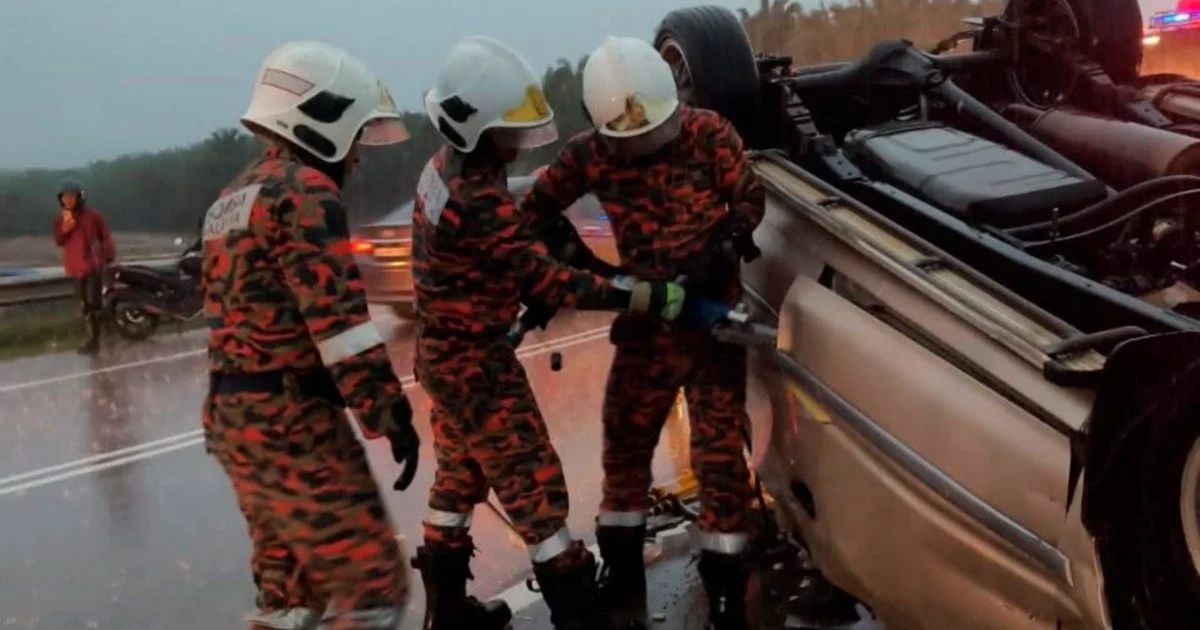
A tragic sequence of road accidents claimed four lives in Pahang within the span of barely sixty minutes, with a pair of sisters becoming victims in one of the collisions that struck the districts of Maran and Pekan. The incidents, which unfolded on the same day, have renewed concerns about road safety in the region and highlighted the devastating consequences that can unfold when multiple accidents happen in such close succession.
The deaths represent a significant loss for the families involved and underscore the ongoing challenge of fatal traffic incidents across Malaysia's highways and major routes. Such clusters of accidents, occurring within narrow time windows in the same geographic area, often indicate underlying hazards that warrant immediate investigation by traffic authorities and road safety specialists. The proximity of the two collision sites and the tight timeframe in which they occurred may point to common factors, whether related to weather conditions, road surface quality, or traffic management issues affecting both locations.
In the context of Pahang's road safety record, these incidents reflect broader national trends where two-vehicle collisions and multi-vehicle pile-ups remain leading causes of fatalities. The state has experienced recurring spikes in fatal accidents, particularly on major corridors connecting major towns and urban centres. Road conditions in Maran and Pekan, both areas with significant through-traffic, demand careful monitoring given the frequency with which vehicles transit these corridors during peak and off-peak periods.
The loss of two sisters in one collision adds an additional layer of tragedy to the incidents, as such deaths often reverberate through extended family networks and communities. Beyond the immediate human toll, the deaths have implications for workplace productivity, economic participation, and the broader social fabric of the regions where victims lived and worked. For Malaysian road safety advocates and policymakers, clusters of accidents like these serve as critical data points in efforts to identify dangerous stretches and implement targeted interventions.
Authorities typically conduct detailed investigations following such incidents to determine contributing factors. Common elements examined include vehicle condition and maintenance status, driver alertness and compliance with speed limits, visibility and weather conditions at the time of impact, and road design features that may have influenced driver behaviour. In Pahang, where both urban and rural routes present distinct challenges—from congested town sections to longer stretches with less stringent oversight—systematic analysis is particularly important.
The incident occurs against the backdrop of Malaysia's broader road safety challenges. The country consistently grapples with traffic fatalities that exceed those in many comparable regional economies. Efforts to reduce fatal accidents have included enhanced enforcement campaigns, improved emergency response infrastructure, and ongoing improvements to high-risk road segments. However, the persistence of clustering accidents within compressed timeframes suggests that additional measures may be necessary, particularly in zones where multiple accidents compound the burden on emergency services.
For families affected, the immediate aftermath involves navigating grief, administrative procedures, and in many cases, sudden loss of household income. In Malaysia's social context, such tragedies often extend beyond the deceased to impact extended family members who may have depended on the victims' economic contribution. The intersection of personal tragedy and practical hardship underscores why road safety remains a public health priority requiring sustained attention and investment.
The incidents in Maran and Pekan on the same day also place pressure on emergency response services, which must manage multiple casualty situations simultaneously. Well-coordinated responses from police, fire and rescue services, and medical personnel are critical in such scenarios, but the simultaneous occurrence of separate accidents can strain resources and potentially affect response times and quality of care. Improvements to emergency coordination protocols in high-traffic areas remain an ongoing consideration for state authorities.
Investigations by traffic police will likely determine whether common factors contributed to both accidents or whether they represent independent incidents that happened to occur within a narrow timeframe. Results of such inquiries typically feed into broader analyses that inform policy recommendations and enforcement priorities. For Southeast Asian regional observers, Malaysia's approach to investigating and responding to traffic fatalities provides lessons relevant across a region where road safety remains inconsistent and fatality rates vary considerably between countries and specific routes.
The deaths serve as a reminder that Malaysia's road safety improvements, while notable in some areas, remain incomplete. The country has introduced measures ranging from stricter penalties for traffic violations to enhanced driver education initiatives and infrastructure improvements on identified high-risk corridors. Despite these efforts, incidents like the Maran and Pekan crashes indicate that more comprehensive and sustained approaches—potentially including stricter vehicle inspection standards, enhanced road engineering, and more intensive driver licensing protocols—may be warranted to prevent such tragedies.

