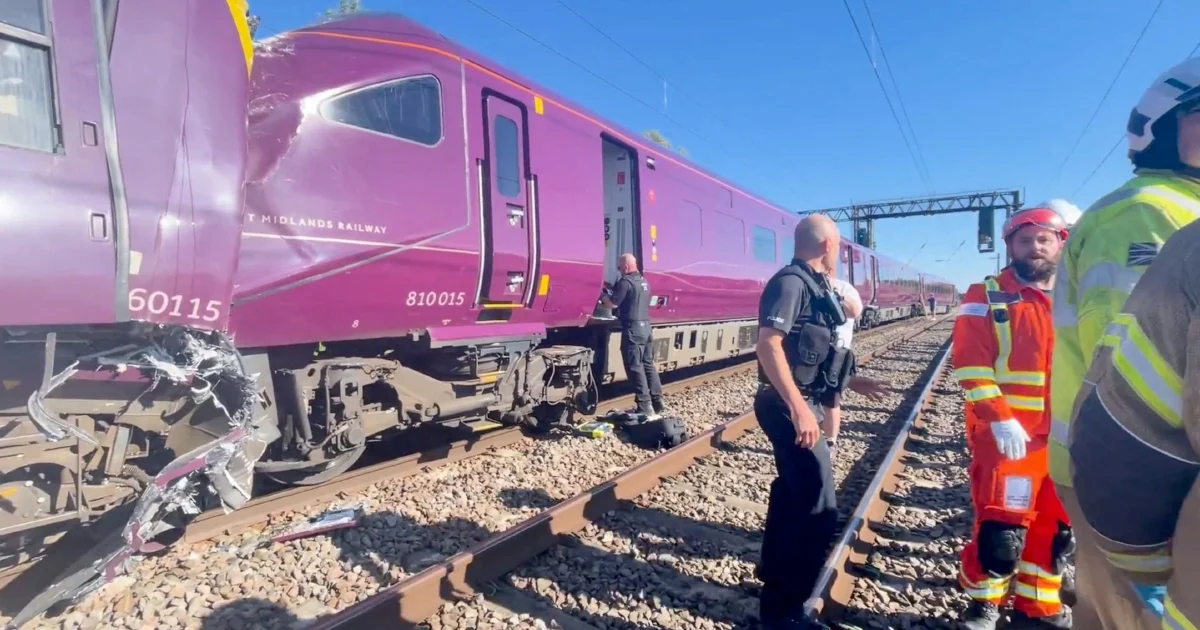
A major transportation disaster unfolded north of London on Friday when two passenger trains collided, resulting in one fatality and numerous casualties requiring emergency medical intervention. According to reports from UK emergency services, the incident has left at least 11 people in very serious condition, while dozens more sustained injuries of varying severity. The scale of the accident has prompted a significant emergency response, with first responders working systematically to assist those affected by the crash.
The collision between the two trains represents one of the more serious railway incidents to occur in the United Kingdom in recent times. Passengers aboard both services found themselves suddenly caught in the accident, with many requiring immediate medical attention at nearby hospitals. The emergency services' rapid mobilisation helped prevent what could have potentially been an even more catastrophic outcome, though the toll on those involved remains substantial. Rescue operations continued through the hours following the collision as crews worked to extract individuals from the wreckage and transport them to medical facilities.
Detailed information about the precise circumstances surrounding the collision remains under investigation by authorities. Emergency responders have established a coordinated response involving paramedics, firefighters, and police personnel working together to manage both the immediate rescue effort and the subsequent investigation. The location of the incident north of London indicates significant accessibility for emergency services, which likely facilitated the rescue response. Transport authorities are examining the events leading to the collision to establish what factors contributed to the accident.
The human cost of the accident extends far beyond the official injury count. Families of those involved have been left in distress while hospitals managed the influx of casualties and emergency departments activated their major incident protocols. Passengers who survived the collision uninjured nonetheless experienced considerable trauma, having witnessed the impact and its immediate aftermath. Support services have been mobilised to help both the injured and those experiencing psychological effects from the incident.
For Malaysian and Southeast Asian readers, this accident serves as a sobering reminder of railway safety considerations relevant to the region's expanding rail infrastructure. Many countries across Asia are investing heavily in rail networks and high-speed connections similar to those operating in the UK. The incident underscores the critical importance of rigorous safety protocols, maintenance standards, and regulatory oversight that must accompany any rail expansion programme. As nations like Malaysia continue developing their urban rail transit systems and long-distance rail corridors, incidents such as this reinforce the need for comprehensive safety frameworks and investment in advanced signalling and collision avoidance technologies.
The UK railway system, despite this incident, maintains one of the world's most heavily regulated safety environments. However, this accident demonstrates that even well-established transportation networks can experience serious failures when multiple factors converge. The investigation that will follow will likely produce recommendations aimed at preventing similar collisions in the future. Such findings often have international implications, as railway operators worldwide monitor major incidents to extract lessons and enhance their own safety systems.
Investigators will examine multiple aspects of the accident including train speeds, signal systems, visibility conditions, and operator actions leading up to the collision. Understanding how two trains came to occupy the same section of track simultaneously represents a critical component of the post-incident analysis. Modern trains operate with various automated safety systems designed specifically to prevent such occurrences, and determining whether these systems functioned as intended will be central to the investigation.
The operational disruption caused by the collision will extend beyond the immediate aftermath. Track damage, wreckage removal, and detailed forensic examination of the scene may require extended closures of the affected railway section. This will impact commuters and travellers relying on that route, potentially affecting services across the wider network as alternative routes become congested. Railway operators will need to coordinate with passengers to minimise disruption while allowing investigators the access needed to conduct their examination thoroughly.
As details continue to emerge from both emergency services and rail authorities, the focus will inevitably shift from immediate rescue operations toward understanding and preventing future incidents. For railway safety professionals globally, including those overseeing the expansion of rail networks throughout Southeast Asia, this collision will serve as a case study in the importance of maintaining rigorous safety standards. The incident reinforces that transportation infrastructure, regardless of how modern or well-maintained, requires constant vigilance and investment in safety systems to protect the travelling public.

