South Korea's capital is grappling with a significant policy decision that reflects broader demographic and fiscal challenges facing the region. Seoul's Metropolitan Council has advanced a proposal to grant free or reduced-cost bus travel to residents aged 70 and above, expanding upon a decades-long system that already provides complimentary subway access to those 65 and older. The measure cleared a council committee on June 15 and was scheduled for a plenary vote on June 17, yet its passage remains uncertain due to mounting concerns about the city's ability to absorb another major transportation subsidy.
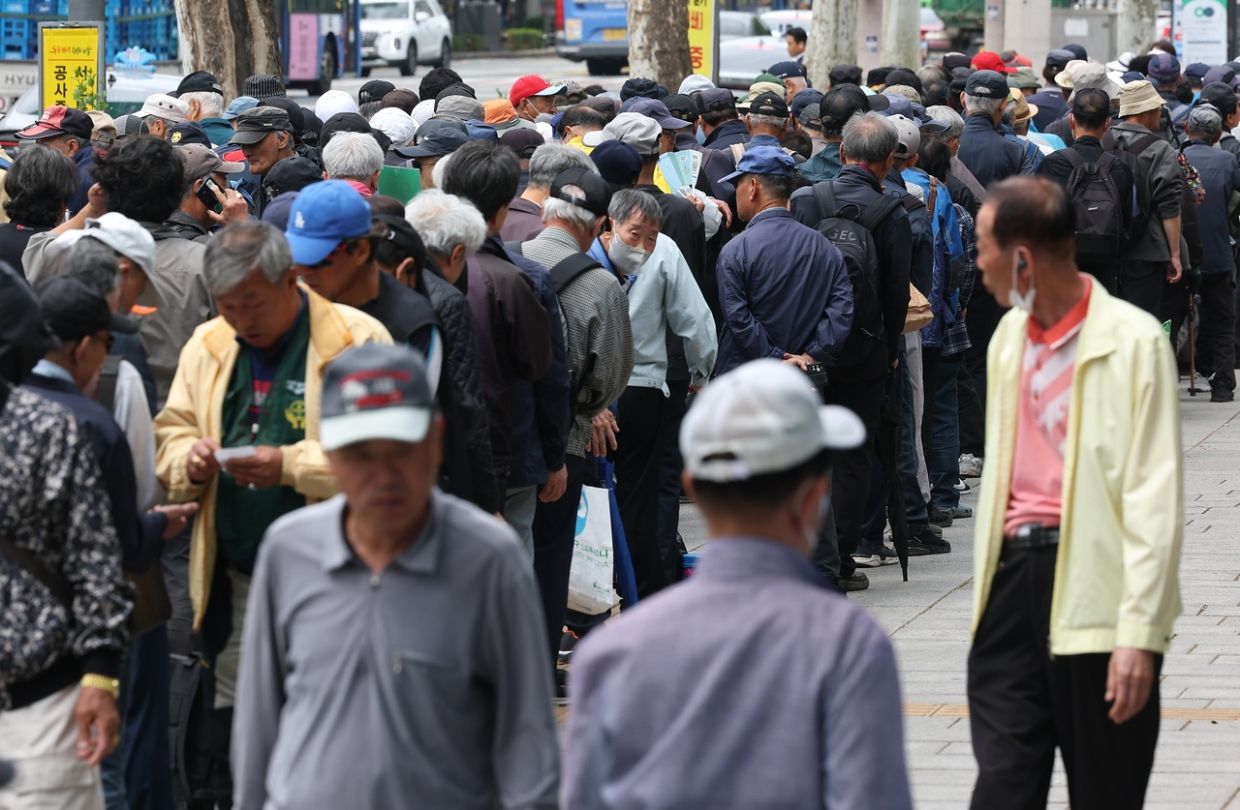
The demographic reality underpinning this proposal is stark and unavoidable. Senior citizens now comprise 21.2 per cent of Seoul's total population, and this proportion continues rising. Current projections suggest the number of residents aged 70 and older will increase from approximately 1.27 million this year to 1.63 million by 2031. This demographic shift creates both a political imperative and a fiscal headache for policymakers, who must balance compassion for ageing constituents against the mathematics of municipal budgeting. The proposal, introduced by Lee Byeong-yoon, chair of the Seoul Metropolitan Council's Transportation Committee and a member of the People Power Party, originated as a campaign pledge by Seoul Mayor Oh Se-hoon during June's local elections.
Support for the initiative rests partly on the logic of equity and practical necessity. While seniors currently enjoy free subway travel throughout the city, bus transportation remains a paid service. For elderly residents living in areas underserved by subway lines or those who depend primarily on buses for daily mobility, this creates a two-tiered system that leaves some disadvantaged. Advocates contend that extending free bus fares would address this inequality and improve quality of life for vulnerable populations. The ordinance would theoretically apply to city and neighbourhood buses while excluding express and intercity services, narrowing the scope somewhat compared to unlimited transit access.
Other South Korean cities have already embarked on similar programmes, providing a reference point for Seoul's deliberations. Daegu initiated free bus rides for seniors in 2023 and intends to gradually lower the eligibility age from 75 to 70 by 2028. Daejeon offers unrestricted bus access to residents aged 70 and above, whilst Incheon plans to launch comparable benefits for those 75 and older during the current year. These precedents demonstrate both the feasibility and the political appeal of such measures, yet they also suggest that once implemented, programmes tend to expand rather than contract.
The financial projections, however, paint a sobering picture. According to calculations by the Seoul Metropolitan Council Secretariat, providing universal free bus fares to all residents aged 70 and older would require approximately 104.7 billion won (US$68 million) in the initial year, assuming implementation begins in 2027. As the elderly population continues growing through 2031, annual expenditures would climb to 127.5 billion won. Over a five-year period, cumulative spending would reach nearly 579 billion won. These figures represent direct additional costs layered atop Seoul's existing transportation support structure.
The city's transportation finances are already stretched. Seoul operates a semi-public bus system in which the municipal government effectively subsidises private operators to cover their operating losses. Last year alone, the city transferred more than 450 billion won to bus companies to maintain service viability. Compounding this burden, recent court rulings regarding ordinary wage calculations are expected to increase labour costs across the bus industry, creating additional pressure on municipal finances. Against this backdrop, introducing another major benefit programme raises serious questions about long-term fiscal sustainability.
Paradoxically, Seoul Metro, the entity operating the capital's subway system, has repeatedly contended that it cannot sustain the current system of free senior fares. According to Seoul Metro's accounting, free rides provided to seniors, people with disabilities, and national merit recipients generated losses averaging 364.5 billion won annually over the past five years. In 2025 alone, this loss reached 448.8 billion won. The organisation has persistently appealed to the central government for financial assistance, arguing that local resources cannot cover these obligations indefinitely. For critics, proposing yet another transportation benefit while claiming inability to fund existing ones reveals a troubling inconsistency in municipal priorities.
Policy scholars warn that such programmes carry inherent risks once implemented. Sohn Jong-pil, a senior researcher at the Fiscal Reform Institute, cautioned that cash-type welfare benefits become extraordinarily difficult to curtail once established, creating political and social pressure to maintain or expand them. "Simply expanding support without strengthening the public accountability of the semi-public bus system has limitations," Sohn noted, suggesting that the city should carefully examine whether expanded subsidies address root structural problems in transportation financing. Policymakers must weigh the immediate political gains of introducing a popular benefit against potential long-term fiscal consequences.
Proponents contend that cost projections may overstate the actual burden by assuming implementation would provide unlimited free rides to all qualifying seniors. The ordinance as currently drafted does not mandate immediate universal access; instead, it creates a legal framework allowing Seoul to determine eligibility criteria and benefit levels. This flexibility theoretically enables the city to phase in the programme selectively, beginning perhaps with low-income seniors or restricting support to specific times of day, implementing partial fare discounts rather than complete elimination, or capping the number of subsidised trips per individual. A Seoul city official characterised the ordinance as establishing institutional foundations rather than imposing immediate obligations, suggesting that even passage would not automatically trigger comprehensive free-ride policies.
The timing of this debate carries significance for Southeast Asian observers. South Korea faces demographic challenges mirroring those emerging across the developed and developing world, including Malaysia, where ageing populations are creating new fiscal pressures on healthcare and social support systems. Seoul's struggle to balance compassionate treatment of seniors against fiscal realities reflects tensions that governance bodies throughout the region will increasingly confront. The decisions made in Seoul regarding how to fund transportation for elderly citizens may offer instructive lessons—both positive and cautionary—for policymakers elsewhere attempting to craft sustainable welfare systems.
The proposal's trajectory through Seoul's political process will likely influence municipal policy decisions for years. Should the council vote to approve the ordinance on June 17, implementation details would require substantial additional work, from determining exact eligibility standards to establishing funding mechanisms and administrative procedures. However, the mere fact that such a proposal has advanced to council consideration underscores the political salience of senior-focused policies in cities with ageing populations. Seoul's dilemma ultimately reflects a broader question: how can municipalities provide meaningful support to growing elderly populations whilst maintaining fiscal discipline and ensuring that other critical municipal services remain adequately funded? That tension will define urban governance challenges throughout Asia in the coming decades.