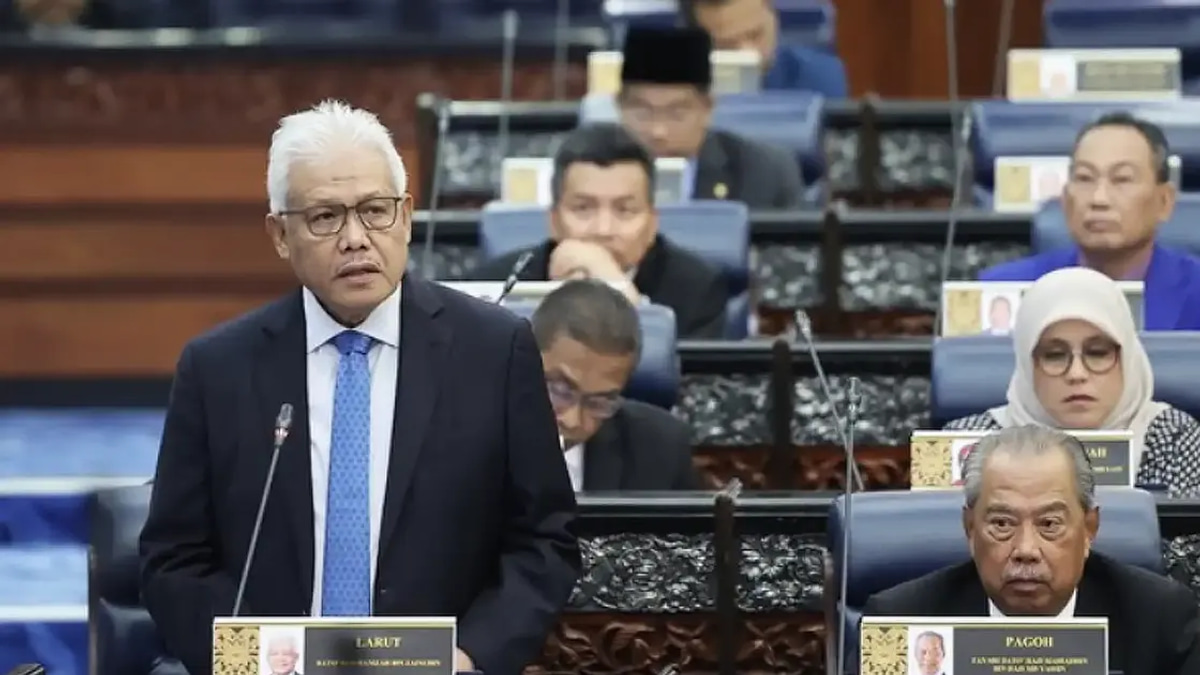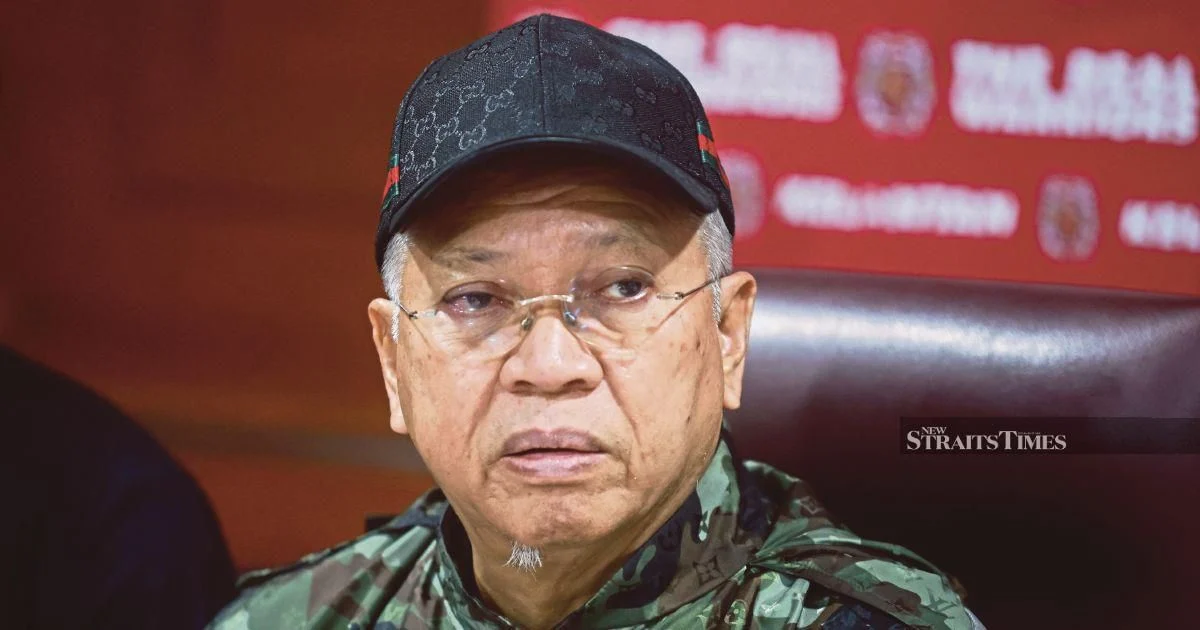
Tan Sri Annuar Musa, a prominent figure within the Perikatan Nasional coalition, has publicly acknowledged his inability to mend fractious relationships between the Islamic Party of Malaysia (PAS) and competing factions within the United Malays National Organisation party (Bersatu), casting fresh shadows over the stability of the ruling alliance that underpins Malaysia's government.
The revelations come at a critical juncture for Malaysian politics, with internal cohesion among the Perikatan Nasional's principal components increasingly fragile. Annuar Musa's candid admission represents a significant moment of transparency regarding the behind-the-scenes diplomatic efforts that have characterised relationships within the coalition since its inception.
The Kota Baru-based politician disclosed that he had undertaken multiple personal interventions aimed at bridging the widening gaps between PAS, which controls several crucial state administrations, and the divergent power bases within Bersatu. His failure to achieve meaningful progress suggests the underlying tensions run deeper than procedural or personality-driven disputes, touching upon fundamental questions of party ideology, resource allocation, and electoral strategy.
For Malaysian observers, the implications extend beyond internal coalition management. The Perikatan Nasional's cohesion directly influences the government's legislative agenda, its capacity to implement policies, and ultimately, the stability of parliamentary procedures. Any significant fracturing could trigger realignments that reshape the entire political landscape, potentially affecting everything from budget approvals to judicial appointments.
The PAS-Bersatu relationship has historically contained inherent tensions. While both parties draw substantial support from the Malay-Muslim constituency, they approach governance, religious policy, and inter-communal relations from markedly different angles. PAS traditionally emphasises stricter Islamic frameworks and grassroots mobilisation, whereas Bersatu emerged as a pragmatic, business-oriented formation focused on broader coalition-building with non-Islamist parties.
Internally, Bersatu itself faces competing leadership camps and policy orientations that have become increasingly visible following recent leadership contests and factional maneuvering. These divisions have complicated efforts by coalition partners like Annuar Musa to maintain unified positions on key parliamentary votes and policy decisions affecting the government's credibility.
The regional context amplifies these domestic fractures' significance. Southeast Asia watches Malaysian political developments closely, particularly given Malaysia's regional influence on ASEAN affairs, bilateral trade relationships, and security partnerships. Coalition instability can undermine Malaysia's negotiating capacity in regional forums and complicate consensus-building on transnational issues affecting the broader region.
Annuar Musa's position within this fractious landscape warrants examination. As a senior coalition figure attempting reconciliation, his failure suggests either that the divisions are intractable through conventional diplomatic means, or that competing figures within PAS and Bersatu possess insufficient incentive to compromise. The message transmitted by his public acknowledgement of failure may itself reshape expectations, potentially hardening positions rather than encouraging further conciliation efforts.
Looking forward, the coalition faces difficult choices. Leaving festering divisions unresolved risks sudden rupture at critical parliamentary moments, while heavy-handed attempts to impose unity might alienate dissident factions entirely. The narrow parliamentary majorities that characterise contemporary Malaysian governance mean that losing even a handful of coalition MPs could fundamentally alter legislative arithmetic.
For ordinary Malaysians, these political dynamics carry tangible consequences. Coalition instability typically stalls policy implementation, diverts government attention toward internal management rather than public service delivery, and creates an atmosphere of uncertainty that discourages long-term business planning and investment. The economic implications of persistent coalition friction, though often underestimated, compound across fiscal cycles.
The next phase will likely involve whether other coalition mediators attempt different reconciliation approaches, whether Bersatu's factional tensions escalate into public confrontations, or whether figures within PAS calculate that working with alternative coalition partners might prove more advantageous than maintaining the current alignment. Annuar Musa's candour, while admirable for transparency, effectively signals that conventional backroom negotiations have exhausted their utility without producing meaningful results.
Moving forward, the sustainability of Perikatan Nasional will depend upon whether fundamental policy alignment can be established around shared governance priorities, or whether the coalition has simply become a temporary arrangement of convenience destined for eventual fragmentation.