The Rohingya Ulama Council has categorically denied reports alleging that members of the stateless Rohingya community are attempting to acquire Malaysian citizenship, with council chairman Rahimullah Hussain characterizing the claims as deliberately manufactured falsehoods designed to incite hostility against an already vulnerable population.
Rahimullah Hussain's statement represents a direct response to circulating allegations that have surfaced in public discourse regarding the intentions and objectives of the Rohingya people currently residing in Malaysia. The timing and nature of such claims have become increasingly contentious given the pre-existing tensions surrounding the presence of Rohingya communities across Southeast Asia, particularly in host nations like Malaysia that have absorbed significant refugee populations.
The denial highlights the broader challenge facing Rohingya communities across the region, where misinformation and unfounded accusations have frequently preceded waves of social hostility. By framing the allegations as deliberately fabricated, the council's leadership is attempting to counter what they view as a coordinated effort to manipulate public opinion and redirect existing anxieties about migration and integration toward the Rohingya minority.
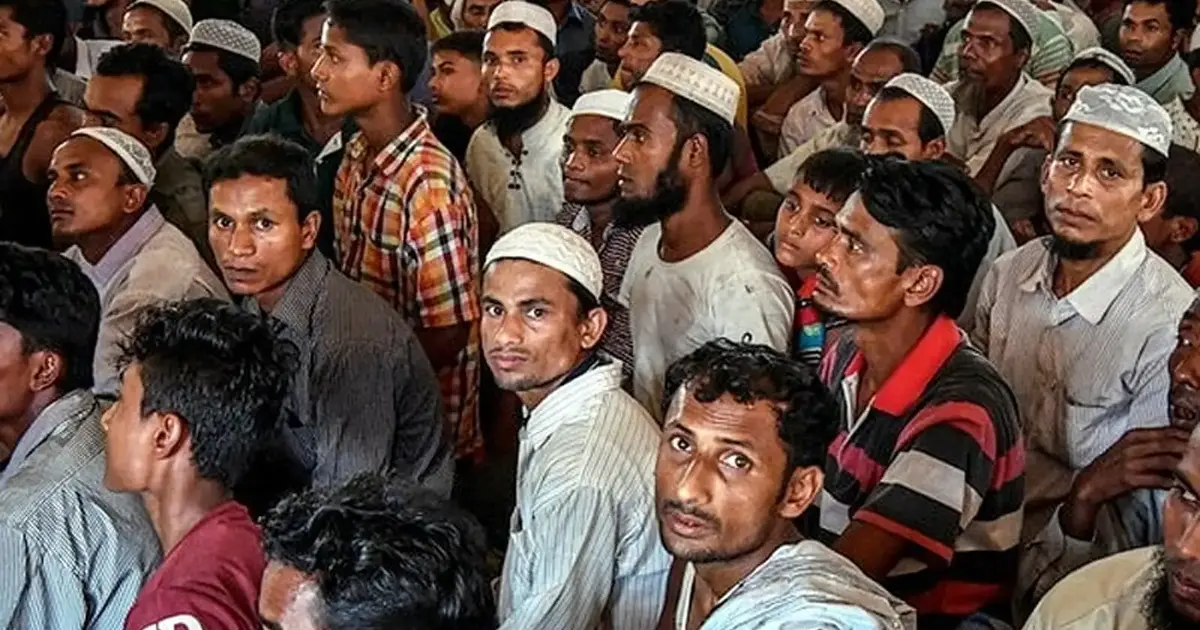
Malaysia remains one of the primary destinations for Rohingya refugees fleeing persecution in Myanmar, hosting one of the largest populations of the stateless group outside of Bangladesh. The country's sizeable Rohingya community, numbering in the hundreds of thousands, exists in a precarious legal limbo, lacking formal documentation and employment authorization. This vulnerability has made the community susceptible to various forms of exploitation and discrimination, while simultaneously creating friction with segments of the local population concerned about demographic change and resource competition.
The Rohingya Ulama Council's intervention represents an attempt by respected religious and community leaders to shape the narrative surrounding their population. By directly addressing citizenship allegations, the council appears to be signaling that such concerns are baseless, while simultaneously trying to establish clear parameters around the community's long-term intentions and aspirations within Malaysia. This preemptive clarification may be designed to prevent further deterioration of host-community relations and to demonstrate reasonableness to Malaysian policymakers.
The fabrication of such allegations, if substantiated, would constitute a troubling pattern of disinformation campaigns targeting minority populations. Research on anti-Rohingya sentiment in Southeast Asia has documented how false narratives about demographic threats and resource theft have been weaponized to mobilize political opposition to refugee policies. The council's assertion that current claims are manufactured appears consistent with this broader trend of fearmongering.
Understanding Malaysian public opinion on Rohingya integration is crucial to assessing the practical implications of such allegations. Surveys and social commentary have revealed mixed sentiments, with certain segments of the population expressing concerns about long-term coexistence, while others advocate for humanitarian protection and gradual integration pathways. Claims about citizenship-seeking could substantially shift this already delicate balance, potentially triggering legislative action or stricter enforcement of existing migration restrictions.
The Rohingya situation intersects with Malaysia's broader immigration policy debates and Southeast Asian regional security concerns. With Myanmar's military junta consolidating power and showing no signs of facilitating Rohingya repatriation, Malaysia faces mounting pressure to develop sustainable solutions for a population it cannot easily expel yet struggles to formally integrate. Allegations about citizenship aspirations introduce political complications into what already represents a complex humanitarian and diplomatic challenge.
The council's response also reflects internal Rohingya leadership dynamics, where recognized religious and community representatives attempt to maintain credibility with both Malaysian authorities and their own constituencies. By vehemently denying citizenship claims, Rahimullah Hussain and his colleagues may be attempting to demonstrate that the community understands and respects Malaysian sovereignty, even as they advocate for improved living conditions and greater security.
Looking forward, the broader question of Rohingya integration in Malaysia will likely remain contested terrain in public discourse. Whether the Ulama Council's denial successfully counters the citizenship narrative will depend on media coverage, political actors' responses, and whether subsequent evidence emerges to either validate or further discredit the allegations. The stakes extend beyond one community, potentially establishing precedents for how future allegations against minority populations are treated in Malaysian public debate.
The Rohingya community's precarious status means that reputational damage from such allegations carries concrete consequences. Increased social hostility could translate into greater workplace discrimination, reduced access to services, and enhanced scrutiny from authorities. The council's aggressive denial strategy thus represents not merely a defensive public relations exercise but a necessary effort to protect community members from tangible harms that typically follow waves of xenophobic sentiment in host societies.