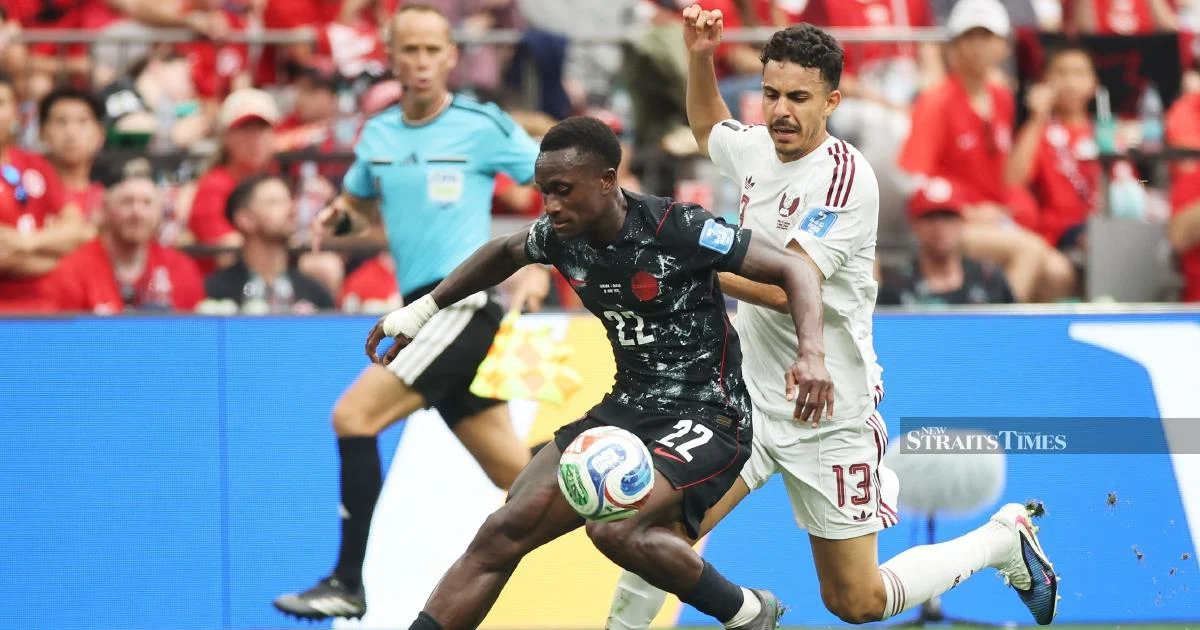
Qatar experienced one of the most embarrassing defeats in World Cup history when they succumbed 6-0 to Canada, a result that has prompted football analysts to question whether the nation's vast financial resources can genuinely translate into sustained sporting success at the highest level.
The Gulf nation invested heavily in preparing for the tournament, which they hosted in 2022, yet their performance fell dramatically short of expectations. For a country that has spent billions of dollars on football infrastructure, player development, and squad assembly over the past decade, the scoreline represented a stark indictment of an approach that prioritises spending over strategic planning and long-term institution-building.
Football experts have seized on Qatar's predicament to illustrate a fundamental principle about competitive sport: that money, while undoubtedly important, cannot serve as a substitute for the deeper foundations required to construct a winning football nation. The argument extends beyond mere tactical or technical deficiencies, touching on issues of player development pathways, coaching quality, competitive domestic leagues, and the integration of foreign talent into cohesive team units.
For Malaysian readers, Qatar's experience carries particular resonance. Southeast Asian nations with growing economies often grapple with similar questions about how to convert economic resources into sporting achievement. The Malaysian football federation and clubs have historically faced criticism for inefficient spending, inadequate infrastructure development, and a lack of clear pathways from youth systems to international performance. Qatar's struggle offers a cautionary tale about the risks of short-term thinking in football development.
The structural issues underlying Qatar's World Cup failure run deeper than the statistics suggest. Despite generous investment in training facilities, coaching staff recruitment from Europe, and attempts to naturalise foreign players, the nation struggled to forge a coherent identity or playing philosophy. This contrasts sharply with the deliberate, multi-decade strategies deployed by successful football nations like France, Germany, and more recently, countries such as Senegal and Tunisia, which have developed competitive sides through youth academy systems and domestic league strength.
Qatar's domestic football environment, while improving, still lacks the competitive intensity and depth that produces world-class players. The domestic league, though well-funded, has not generated sufficient indigenous talent capable of competing at World Cup level. This highlights a critical gap in the nation's football development strategy: external resources cannot adequately compensate for the absence of a robust internal competitive ecosystem where players are constantly tested and refined against quality opposition.
The broader implications for Gulf football and Asian football more generally suggest that simply attracting international talent or hiring established coaches provides only temporary competitive boosts. Without accompanying investments in youth development, women's football programmes that generate the broader football culture, and genuine domestic competition, such spending often produces short-term improvements followed by disappointing regressions.
For Malaysia and other Southeast Asian nations seeking to improve their football fortunes, Qatar's example provides an important lesson about the necessity of balanced, long-term planning. While increased financial investment in training infrastructure, stadium facilities, and coaching salaries remains important, these elements must be accompanied by systemic reforms to youth development, domestic league competitiveness, and a clear strategic vision that extends beyond electoral cycles or corporate board terms.
Canada's emphatic victory, achieved against a well-financed but disjointed Qatar side, demonstrated that hunger, tactical discipline, and a functioning football culture matter immensely. The North American nation's success stemmed from a more organic football development process and recent improvements in their domestic league's profile, rather than isolated spending on elite facilities or foreign imports.
The psychological impact of such a comprehensive defeat should not be underestimated either. Qatar's World Cup performance damaged confidence in the national team's development trajectory and raised uncomfortable questions about whether the hosting experience actually benefited the host nation's football infrastructure in meaningful ways. For other aspirant nations considering football investment, this reality serves as a reminder that major tournaments do not automatically cure structural football deficiencies.
Looking forward, Qatar faces difficult decisions about whether to persist with their current strategy or undertake more fundamental reforms to youth development and domestic league structures. The same applies to other wealthy nations globally attempting to convert resources into football success. The lesson is increasingly clear: sustained excellence requires more than substantial budgets—it demands integrated, patient systems development over many years, realistic expectations about timelines, and above all, commitment to building football from grassroots level upwards rather than assuming elite investment alone will suffice.