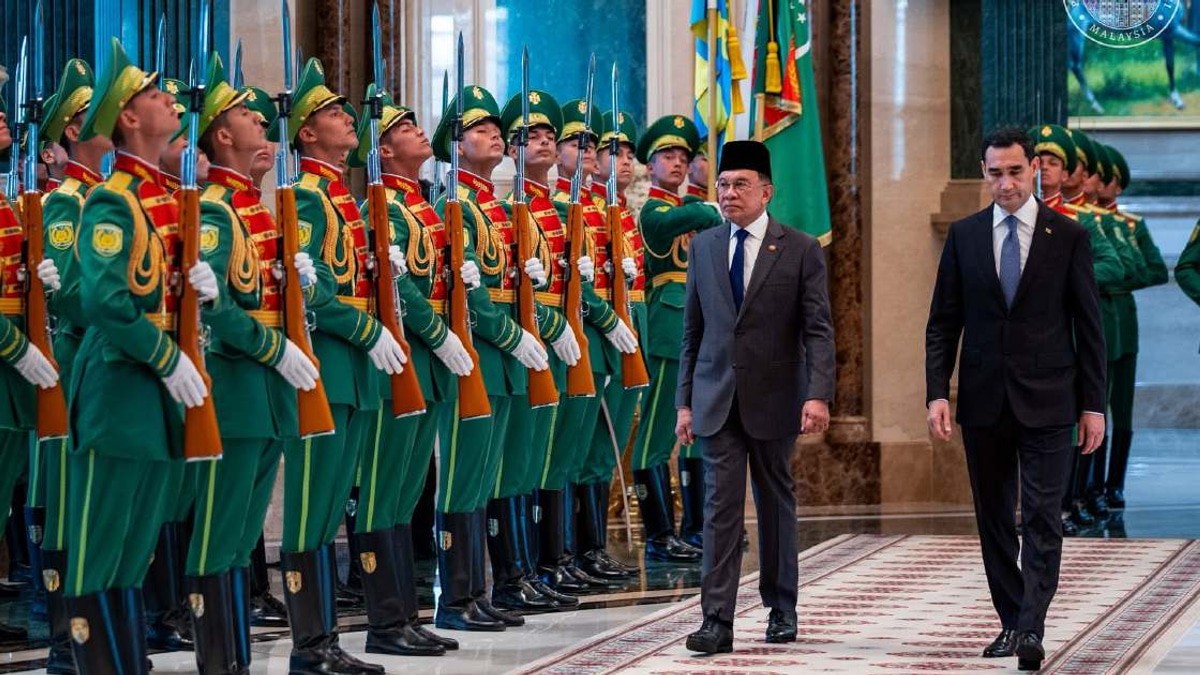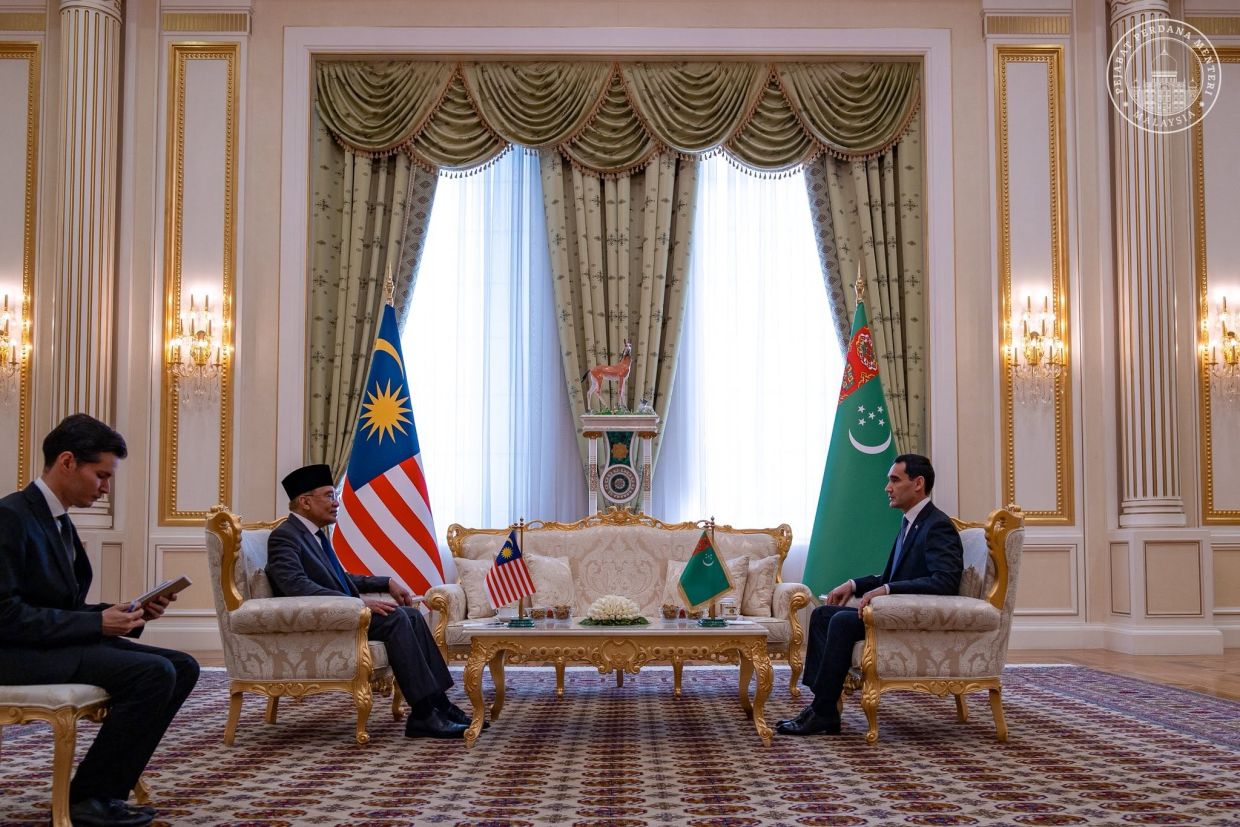
Prime Minister Datuk Seri Anwar Ibrahim and Turkmenistan President Serdar Berdimuhamedov formally endorsed a strategic partnership between Petronas and Turkmenistan authorities during an official ceremony in Ashgabat, signalling deepening economic cooperation between the two nations. The agreement represents a milestone moment for Malaysia's energy diplomacy in Central Asia, positioning the national oil and gas giant at the forefront of future resource development in a region increasingly vital to global energy security.
This partnership builds upon three decades of continuous collaboration in the energy sector between Malaysia and Turkmenistan, a foundation that has sustained bilateral relations through changing geopolitical circumstances. The longevity of this engagement demonstrates the resilience and mutual benefit both nations have derived from their energy alliance, creating a platform for expansion into new areas of cooperation that extend beyond traditional hydrocarbon production.
The accord opens substantial opportunities for Malaysian enterprises to participate in developing Turkmenistan's natural gas sector, which ranks among the world's largest reserves. This dimension carries particular strategic significance given global energy transitions and the sustained demand for natural gas as a transition fuel in the Asia-Pacific region. For Petronas, access to these reserves offers medium and long-term supply security while providing Turkmenistan with access to Malaysian technical expertise, operational capabilities, and downstream market connections.
Beyond immediate commercial interests, the partnership underscores Malaysia's competitive standing in international energy markets and validates the country's technological prowess on a global platform. The agreement reflects confidence among Central Asian governments in Malaysian capabilities and positions the nation as a preferred partner for large-scale infrastructure and resource development projects. This confidence translates into broader strategic advantages, as successful energy partnerships often lead to expanded cooperation across multiple sectors including manufacturing, services, and professional development.
Knowledge transfer and human capital development constitute integral components of the partnership framework. Malaysian expertise in upstream and downstream operations, project management, and technical innovation will benefit Turkmenistan's workforce, while Malaysian professionals gain exposure to Central Asian operating environments and resource development challenges. Such reciprocal learning arrangements strengthen institutional capabilities on both sides and create enduring professional networks that extend cooperation beyond contractual arrangements.
Turkmenistan's significance within Malaysia's Central Asian trade portfolio has grown measurably, establishing the country as Malaysia's fourth-largest trading partner among Central Asian nations in 2025. The bilateral trade value reached RM75.80 million, with Malaysian exports constituting RM75.50 million and representing a nine percent year-on-year increase. This upward trajectory demonstrates expanding economic engagement and suggests that this partnership agreement comes at a moment of genuine commercial momentum rather than as an attempt to revive stalled relationships.
Petronas has maintained a substantial presence in Turkmenistan since 1996, accumulating total investments reaching RM52.73 billion over nearly three decades. This investment commitment reflects the company's confidence in Turkmenistan's resource potential and the stability of the operating environment. The longevity and scale of Petronas's presence provide crucial institutional knowledge and operational familiarity that positions the company favourably for expanded engagements within this newly formalised strategic framework.
The Malaysian government frames this partnership within its broader MADANI development agenda, emphasising how energy cooperation generates economic growth, technology advancement, and competitive advantage in strategic industries. Official statements highlight the potential for investment expansion and economic diversification, suggesting that policymakers envision energy collaboration as a gateway to broader bilateral engagement across multiple economic sectors.
For regional context, Malaysia's deepening engagement with Central Asia reflects strategic diversification away from traditional markets and acknowledgement of Central Asian resource wealth and growing geopolitical importance. As China and Russia maintain dominant positions in Central Asian affairs, Malaysia's energy partnerships represent an alternative engagement model offering technical capacity and market access without the strategic baggage accompanying partnerships with major powers. This positioning appeals to Central Asian governments seeking partnerships that enhance capability without creating dependency relationships.
The timing of this partnership coincides with global energy market uncertainties and accelerating transitions toward cleaner energy sources. Natural gas occupies a crucial intermediary position in this transition, and securing access to reserves in geographically proximate regions reduces supply chain risks for Asian importers. Turkmenistan's vast reserves, coupled with Malaysian operational expertise and distribution networks, create a complementary arrangement addressing energy security concerns across the region.
Anwar's official visit to Ashgabat underscores high-level political commitment to advancing Malaysia-Turkmenistan relations beyond routine diplomatic engagement. Presidential-level meetings signal seriousness and open channels for resolving potential implementation challenges. Such visible political support facilitates bureaucratic cooperation and demonstrates to domestic stakeholders in both countries that energy partnership enjoys executive backing.
Moving forward, the partnership framework will likely generate subsequent agreements addressing specific project development, training arrangements, and operational protocols. The initial agreement functions as an umbrella arrangement enabling detailed cooperation across multiple dimensions of energy production and commerce. Success in early initiatives will establish momentum for expansion while potential difficulties provide opportunities for refining engagement mechanisms. Malaysian companies operating in Central Asian energy markets will monitor developments closely, as Petronas's experience often catalyses broader corporate engagement in newly opened sectors.
For Malaysia's broader strategic positioning, this partnership reinforces the nation's credentials as a reliable energy sector partner capable of managing complex international operations while maintaining transparent governance and professional standards. In competition with other suppliers and service providers for Central Asian business, such demonstrated capability and long-term commitment differentiate Malaysian offerings and support premium positioning in negotiated arrangements. As Central Asian energy developments accelerate over the coming decade, Malaysia's established presence and renewed commitment through this partnership position national interests advantageously.