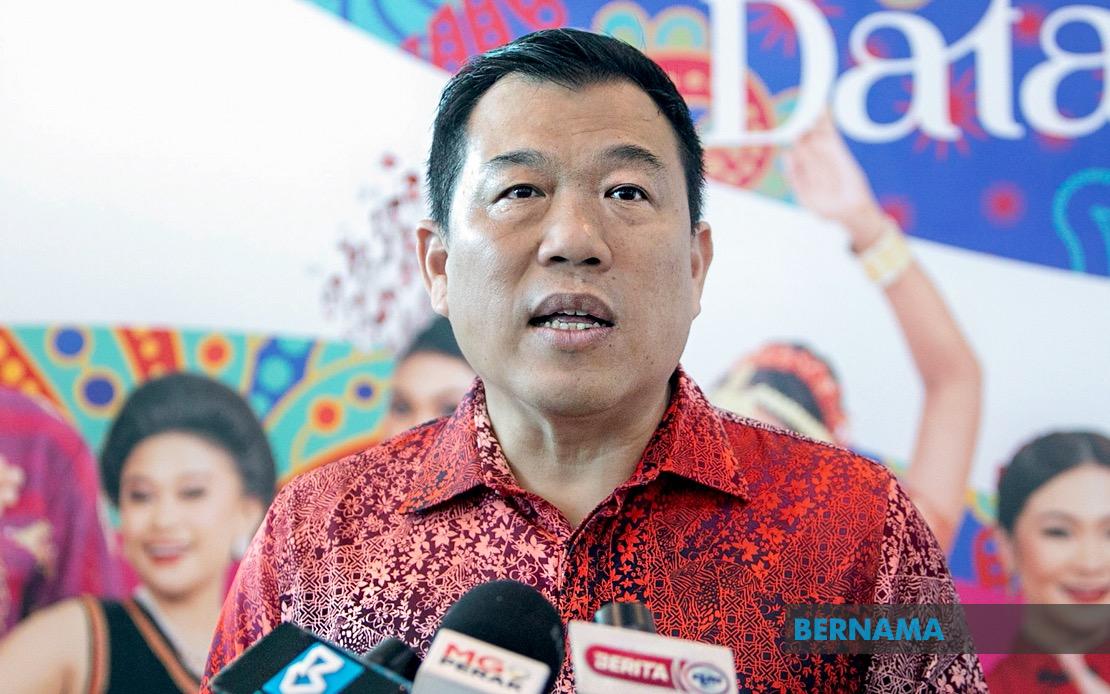
Perak's tourism sector is displaying a bifurcated recovery, with strong domestic demand compensating for weakening international visitor numbers. The state welcomed 10.4 million overnight domestic tourists in 2025, up from 10.2 million the previous year, according to Loh Sze Yee, chairman of the state's Tourism, Industry, Investment and Corridor Development Committee. However, this headline growth masks underlying vulnerabilities that threaten the state's longer-term tourism ambitions.
The collapse in foreign visitor numbers presents a more troubling picture. International arrivals to Perak contracted by approximately 1.5 per cent, a decline that reflects broader structural challenges rather than temporary fluctuations. Loh attributed the downturn to two interconnected factors: the withdrawal of direct flight services on the Singapore-Ipoh route and the global oil crisis that has disrupted aviation economics worldwide. Without convenient air links from Singapore, a major source market for the region, prospective international visitors face lengthier journeys and higher transportation costs, making Perak a less attractive destination compared to more accessible alternatives.
Within the broader Malaysian tourism landscape, Perak occupies a middle tier. According to data from the Chief Statistician of Malaysia Datuk Seri Dr Mohd Uzir Mahidin, Selangor commanded the largest domestic visitor base with 36.4 million arrivals, followed closely by Kuala Lumpur at 35.1 million. Perak trailed these leading destinations with 23.6 million domestic visitors, placing it third nationally. This ranking underscores the competitive pressure facing Perak even in the domestic market, where nearby Kuala Lumpur and Selangor benefit from greater accessibility and concentrated marketing investment.
The reliance on domestic tourism reflects a strategic pivot that many regional states are embracing across Southeast Asia. As international travel rebounds more unevenly than domestic leisure spending, destinations are increasingly focused on stimulating internal visitation. For Perak, this shift carries both opportunities and risks. Domestic travellers tend to spend less per visit and stay shorter durations than international tourists, meaning that nominal growth in visitor numbers does not necessarily translate into proportional revenue increases for hotels, restaurants, and attractions.
Recognizing these challenges, Tourism Malaysia has deployed the Pantai Timur Fest 2026 as a catalyst for regional integration and cross-promotional momentum. The festival was deliberately positioned in Ipoh, leveraging the city's geographic centrality as a hub connecting Peninsular Malaysia's northern, central, and southern zones. Mohd Amirul Rizal Abdul Rahim, the director-general of Tourism Malaysia, emphasized Ipoh's strategic positioning, noting that hosting the event there enables the tourism authority to showcase the unique cultural and natural assets of Kelantan, Terengganu, and Pahang to audiences who might otherwise overlook these East Coast destinations.
The festival itself represents a microcosm of Malaysia's tourism recovery strategy. Featuring thirty exhibition booths encompassing travel agencies, hotels, theme parks, tourism operators, and online travel platforms, the event offers a concentrated showcase of tourism products and experiences. This bundled approach aims to simplify decision-making for domestic tourists by presenting multiple regional options under one roof, potentially increasing conversion rates and average trip values. The inclusion of travel agencies and online distributors ensures that impulse interest can be efficiently converted into bookings.
Cultural authenticity features prominently in the festival's programming, with traditional craft demonstrations, heritage food promotions, and cultural performances scheduled throughout the event. These elements serve a dual purpose: they attract domestic tourists seeking experiential and authentic encounters, while also creating shareable content for social media that can extend the festival's reach beyond physical attendees. For Malaysian tourists, particularly those from urban centres like Kuala Lumpur and Selangor, cultural immersion represents a meaningful differentiator from commercial shopping and theme park tourism.
The Visit Malaysia 2026 campaign forms the overarching framework within which the Pantai Timur Fest operates. By anchoring promotional activities to this national campaign, Tourism Malaysia creates thematic coherence and amplifies marketing efficiency through coordinated messaging. Special discounts and travel package offerings announced during the festival provide time-sensitive incentives that can accelerate booking decisions. For the East Coast states and Perak, participation in this campaign increases their visibility within national tourism planning and budget allocation discussions.
The aviation disruption affecting Perak deserves sustained policy attention from state and federal authorities. The withdrawal of Singapore-Ipoh routes reflects commercial calculations by airlines responding to insufficient demand, yet this creates a self-reinforcing decline: fewer flights discourage travel planning, reducing demand further, making route restoration even less viable. Addressing this requires either demand stimulation through targeted incentives for high-yield tourists, or supply-side interventions such as subsidies or partnerships with regional carriers. Malaysia's position as a regional aviation hub creates opportunities for creative solutions, such as convenient connections via Kuala Lumpur that maintain competitiveness against alternative routes through Bangkok or Jakarta.
The broader economic context of oil prices and global aviation challenges suggests that Perak's international tourism recovery may extend beyond 2026. Energy costs remain volatile, and structural shifts in post-pandemic travel patterns continue to reshape international visitor flows. Perak's tourism strategy must therefore balance short-term optimism about domestic demand with prudent contingency planning for prolonged international headwinds. Diversifying source markets beyond Singapore, strengthening air connectivity to China and India through Kuala Lumpur hub-and-spoke arrangements, and developing niche tourism offerings in wellness, heritage, and adventure sectors could provide resilience against aviation volatility.
For Malaysian and Southeast Asian tourism stakeholders, Perak's experience offers instructive lessons about the limits of pure domestic tourism growth. While the 10.4 million domestic visitors represent meaningful economic activity, they cannot fully compensate for the revenue and employment contributions that higher-spending international tourists generate. The state's recovery trajectory will ultimately depend on restoring international visitor confidence and accessibility, requiring coordinated efforts across aviation, marketing, infrastructure, and hospitality sectors. The Pantai Timur Fest 2026 represents one tactical initiative within this broader strategic challenge, demonstrating that even as Malaysia pivots toward domestic market development, international tourism remains essential for sustainable regional growth.