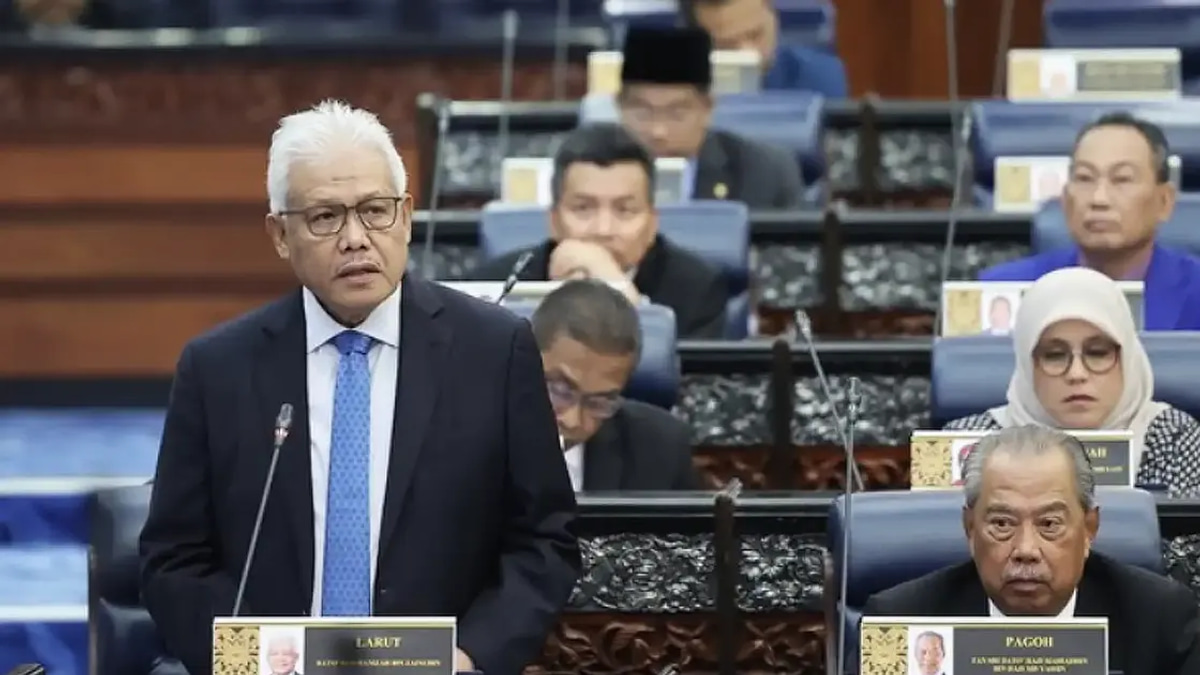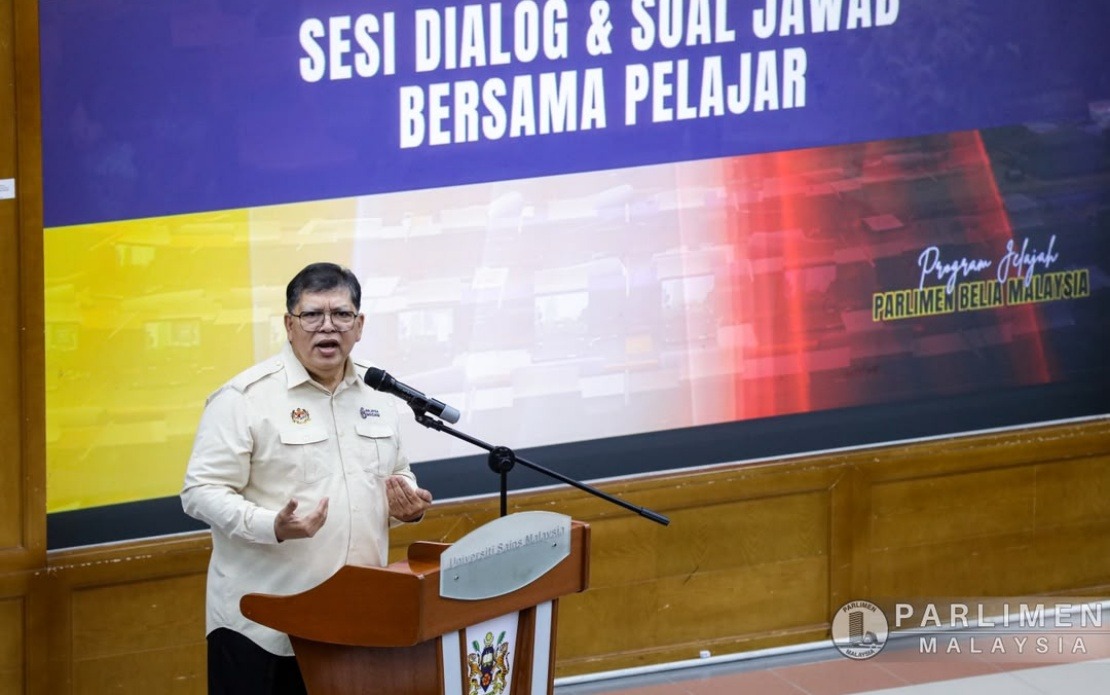
With the Malaysian Youth Parliament set to convene on September 11, Dewan Rakyat Speaker Tan Sri Johari Abdul has issued a pointed reminder to the nation's lawmakers that their conduct in the chamber carries profound significance for the country's democratic future. The Speaker emphasised that Parliament must function not simply as a debating forum for elected representatives, but as the cornerstone institution through which Malaysians—particularly young citizens—learn what responsible governance and principled democratic practice actually look like in action.
The call for elevated parliamentary standards reflects growing recognition that public institutions shape civic culture across generations. Johari stressed that young leaders participating in the Youth Parliament initiative require authentic models of democratic behaviour, not merely theoretical instruction. When Members of Parliament engage in fact-based discussion, maintain decorum, and prioritise national interests over partisan point-scoring, they transmit powerful lessons about how democracies function. Conversely, conduct that prioritises theatrics over substance or abandons civility teaches opposite lessons about politics itself.
The Speaker's emphasis on transparency adds a contemporary dimension to this institutional stewardship. In an era where parliamentary proceedings are livestreamed and social media amplifies every gesture and utterance, the behaviour of MPs has become permanently visible to constituents and potential future leaders alike. This digital audience fundamentally changes the stakes of parliamentary conduct. Individual speeches and interactions that might have reached only those present in the chamber now circulate widely, shaping public perceptions of democracy's health and reinforcing or undermining faith in representative institutions among younger viewers.
The Malaysian Youth Parliament programme itself represents an significant institutional innovation. Operating since 2015 under the Ministry of Youth and Sports, it moved to full management by Parliament Malaysia in October 2023—a shift signalling commitment to embedding youth engagement at the heart of parliamentary democracy rather than treating it as a peripheral initiative. The structure mirrors the actual Dewan Rakyat with 222 seats corresponding to parliamentary constituencies, creating a scaled model that allows participants genuine immersion in legislative processes and parliamentary culture.
Registration for the upcoming intake has been opened to 300,000 young Malaysians aged eighteen to thirty, with ambitious outreach underway nationwide. The operational timeline demonstrates careful orchestration: nomination day falls on July 8, followed by candidate announcement on July 11. A four-week campaign period runs from July 12 through August 7, allowing extended debate and candidate positioning. Online voting through the e-PBMy system will operate for exactly twenty-four hours from 10 am on August 8 until 10 am on August 9, ensuring accessibility while maintaining security.
Once elected, Youth Parliament members will serve two-year terms with three parliamentary sittings annually, each running two days. This cadence provides sufficient opportunity for substantive legislative work while remaining manageable for participants balancing other commitments. The framework mirrors actual parliamentary practice closely enough to provide authentic learning but remains structured to accommodate youth with education and employment responsibilities.
More than ten non-partisan youth organisations have already formed internal 'parties' within the platform, though these operate entirely separately from Malaysia's formal party political system. This distinction matters significantly—the Youth Parliament creates space for political engagement, debate, and coalition-building without channelling participants prematurely into existing partisan structures. Young people can experience negotiation, persuasion, and legislative compromise while maintaining independence and exploring political values.
Speaker Johari's framing of Parliament as a democratic 'school' for successive generations carries particular weight in the Malaysian context. Democracy depends ultimately on normative acceptance—citizens must believe representative institutions deserve respect and operate legitimately. Young people forming their first sustained impressions of how parliament functions will calibrate their own later engagement accordingly. If they observe dignified, evidence-based debate directed toward public welfare, they internalise democratic legitimacy. If they witness performative theatrics, corruption, or partisan excess, scepticism becomes rational.
The timing of the Youth Parliament expansion also reflects demographic realities across Southeast Asia. Malaysia's population includes substantial cohorts of young voters whose political consciousness has formed during periods of institutional uncertainty and polarisation. Deliberately exposing them to functional parliamentary democracy in action represents an investment in political culture across the medium term. The participants who engage with PBMy over the coming years may influence how their peers regard political institutions, whether they pursue public service careers, and ultimately what standards of accountability they demand from elected officials.
For Malaysian policymakers, the Speaker's intervention underscores a broader institutional challenge: Parliament must simultaneously function as a practical legislative mechanism and as an exemplary space where democratic norms are visibly enacted. These roles reinforce rather than contradict each other. Dignified, fact-based debate is not performative artifice layered atop genuine legislative work—it is essential to legitimate and effective lawmaking itself. Demonstrating this connection to younger observers serves democracy's practical interests directly.
The initiative also carries implications for regional democratic practice. Southeast Asia confronts persistent questions about the vitality of representative institutions amid social change and competing governance models. Malaysia's deliberate investment in youth parliamentary engagement signals confidence in democratic mechanisms and commitment to cultivating informed democratic participation. Should the programme succeed in fostering more engaged, civically conscious young citizens, it may offer practical lessons applicable elsewhere in the region.
Ultimately, Speaker Johari's challenge to Members of Parliament reflects an understanding that institutional credibility cannot be assumed or asserted—it must be continuously demonstrated through consistent conduct aligned with stated principles. The conduct of Malaysia's lawmakers in coming months will send unmistakable messages to the young leaders observing them. That recognition itself may encourage the elevated standards of parliamentary practice that the Speaker is advocating.