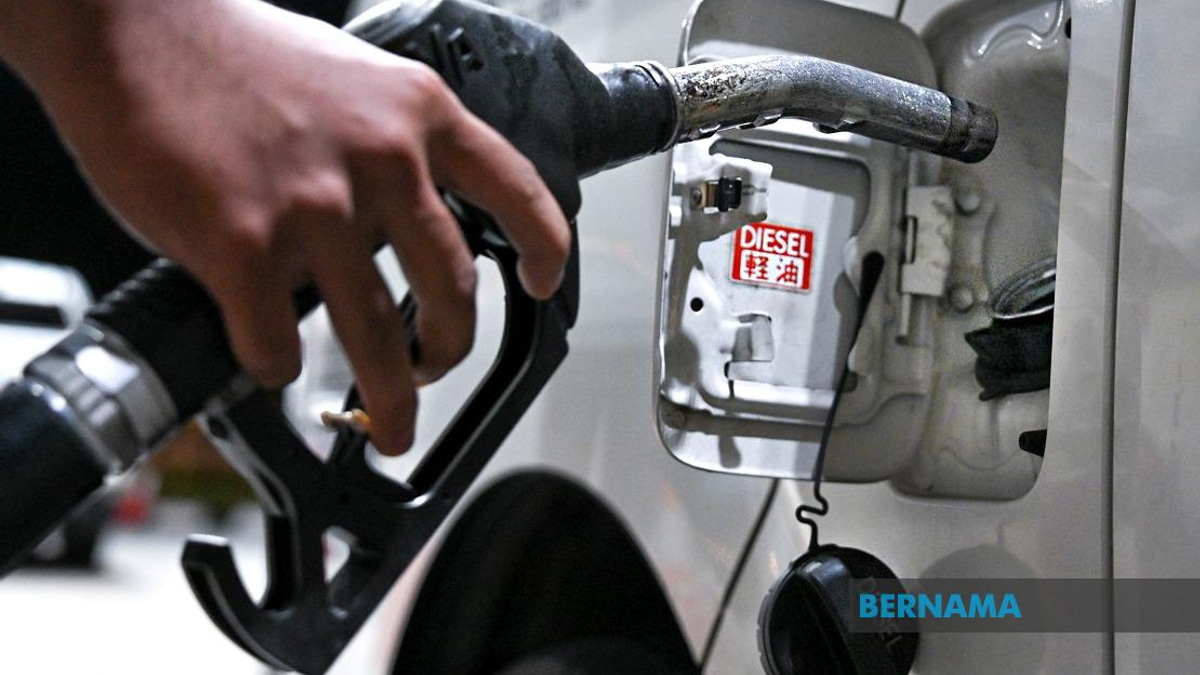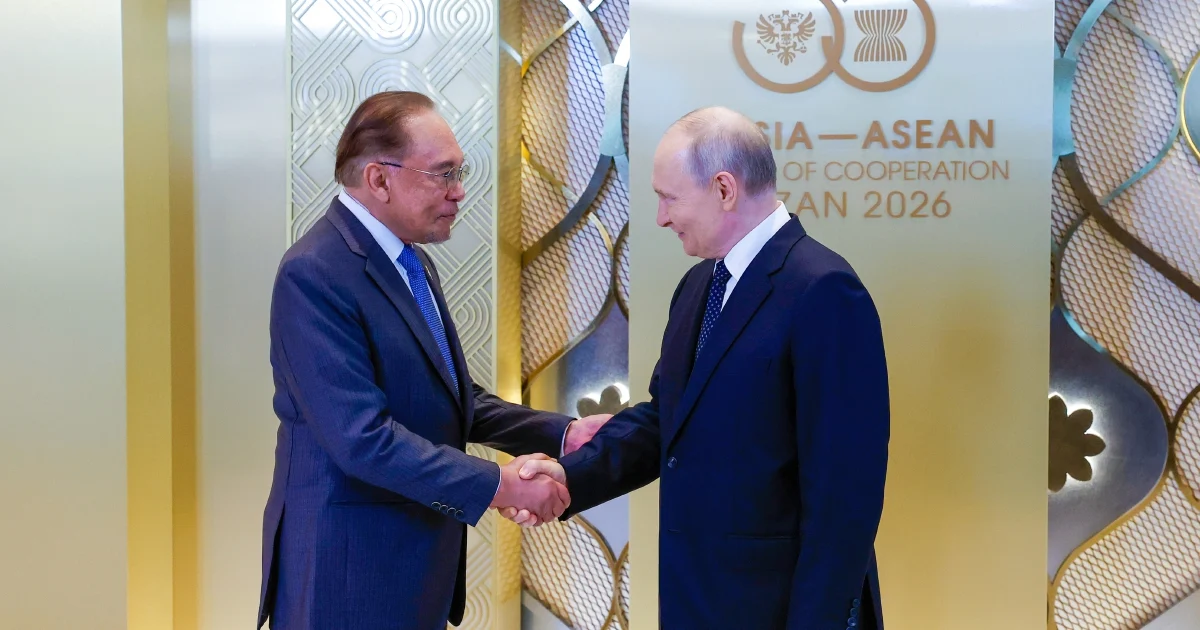
Prime Minister Datuk Seri Anwar Ibrahim has announced that Malaysia is moving to anchor its energy future through deliberate strategic collaborations with major global energy producers, signalling a shift towards diversifying the nation's energy portfolio and reducing dependence on any single source or supplier. Speaking in Bintulu, the administrative heart of Sarawak's oil and gas sector, Anwar indicated that Russia has committed to supplying energy to Malaysia over an extended period, underlining the importance of such multilateral partnerships at a time of flux in international commodity markets. The statement reflects a broader governmental thrust to position Malaysia as a stable participant in regional and global energy trade, particularly given the nation's significance as both a consumer and producer of hydrocarbons.
The timing of Anwar's remarks carries particular weight given Malaysia's economic dependence on stable energy supplies and the upstream sector's contribution to government revenues. Energy security has emerged as a critical policy pillar across Southeast Asia, where rapid industrialisation and rising electricity demand are colliding with geopolitical tensions that threaten traditional supply routes and relationships. By emphasising Russia as a reliable long-term partner, the Malaysian government is attempting to hedge against supply disruptions and price volatility that have roiled markets since 2022. This approach acknowledges a reality that has reshaped energy diplomacy globally: nations must cultivate multiple partnerships to insulate themselves from sudden shocks or shifts in international relations.
Malaysia's energy landscape is already complex and multifaceted. The nation produces significant volumes of liquefied natural gas and crude oil, exporting both globally and satisfying domestic demand through a mix of domestic production and imports. However, like most industrialising economies, Malaysia faces the dual challenge of meeting growing domestic energy consumption whilst maintaining sufficient export capacity to generate foreign exchange. Securing stable long-term supply agreements from countries like Russia—particularly for products that Malaysia itself does not produce in sufficient quantities—helps bridge this gap and protects against market tightness that could force the nation to compete at higher prices during peak demand periods.
The strategic calculus behind courting Russian energy cooperation also reflects pragmatic recognition that energy markets operate separately from many of the geopolitical tensions consuming Western capitals. Malaysia, as a Non-Aligned Movement chair and a nation deeply committed to maintaining balanced international relationships, has consistently positioned itself as unwilling to make stark binary choices between rival powers. This posture extends naturally into energy diplomacy, where commercial interests and energy security take precedence over the ideological or sanctions-driven divisions that constrain some other nations. By publicly framing energy cooperation with Russia as a normal commercial transaction serving national interests, Anwar is essentially signalling that Malaysia will pursue whatever partnerships strengthen its strategic autonomy and economic resilience.
The announcement comes amid broader regional activity in energy diplomacy. Southeast Asian nations, including Vietnam, Thailand, and the Philippines, have similarly explored diversified energy sourcing and partnerships with various suppliers. This collective movement reflects a shared understanding that energy independence or at minimum energy diversity has become a prerequisite for regional stability and economic growth. For Malaysia specifically, the fact that such partnerships are being publicly articulated at the highest political level suggests that the government sees energy security not merely as an operational concern for state enterprises but as a foundational national interest deserving prime ministerial attention.
Russia itself has been actively seeking new energy markets and partnerships following Western sanctions imposed after its invasion of Ukraine. The nation's traditional European markets have been disrupted or severed, pushing Russian energy companies and the Kremlin to reorient towards Asia, where demand is robust and relationships are less ideologically fraught. Malaysia represents an attractive partner in this realignment: it is a significant emerging economy, a major energy importer, geographically positioned in a critical global trade corridor, and politically inclined towards pragmatic commercial relationships rather than ideological stances. The long-term supply assurance that Anwar referenced likely reflects Russia's desire to establish stable, predictable demand for its hydrocarbons outside the Western sphere.
From a Malaysian perspective, the implications of formalising long-term energy cooperation with Russia extend beyond immediate supply security. Such agreements typically involve infrastructure investment, joint ventures, or special trading arrangements that can generate employment and technology transfer opportunities. They may also facilitate closer economic integration and cooperation in other sectors, multiplying the benefits of the partnership. Additionally, publicly committing to long-term Russian energy cooperation signals to the international market that Malaysia takes its energy security seriously and is willing to make binding commercial commitments with reliable suppliers, which itself can attract further investment and partnerships from other quarters.
The announcement also underscores a broader reality in contemporary geopolitics: economic interdependence persists even as political and military tensions escalate elsewhere. Major energy-producing nations require reliable customers willing to absorb production over decades, whilst consuming nations require reliable suppliers willing to invest in production and export infrastructure. These complementary needs create powerful incentives for cooperation that transcend many of the ideological and diplomatic conflicts dominating headlines. Malaysia's embrace of this principle—through active engagement with Russia and likely with other major producers—positions the nation as a rational economic actor prioritising the welfare of its citizens over abstract geopolitical allegiances.