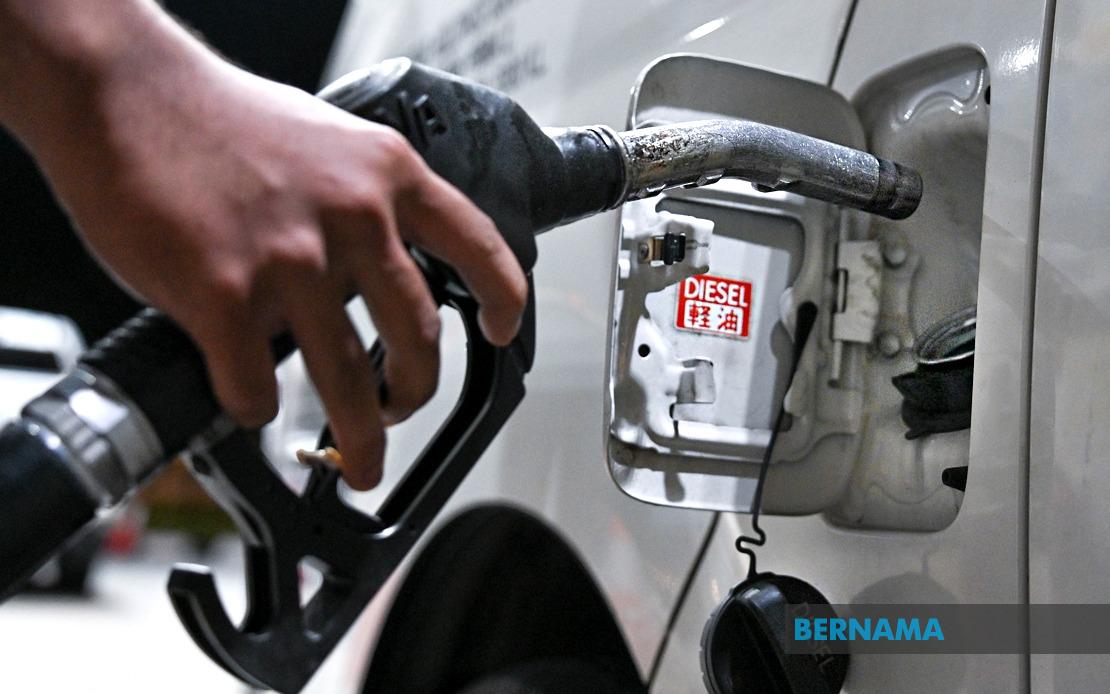
Prime Minister Datuk Seri Anwar Ibrahim has announced a significant reduction in diesel prices that will benefit millions of Malaysians reliant on fuel for their businesses and daily operations. From July 2026, subsidised diesel will be priced at RM2.10 per litre nationwide, marking a welcome adjustment for transport operators, traders, and small-scale enterprises across the country who have long grappled with rising operational costs.
The decision represents a shift towards creating uniform fuel subsidy benefits across Malaysia, eliminating regional disparities that have historically disadvantaged businesses in Peninsular Malaysia. Currently, diesel costs RM2.15 per litre in Sabah, Sarawak, and Labuan under existing subsidy schemes, whilst Peninsular Malaysia faces the unsubsidised retail price of RM4.37 per litre. This new programme will extend the same subsidised rate to all Malaysian states, fundamentally restructuring how fuel assistance reaches the population.
The subsidy mechanism will mirror the BUDI MADANI RON95 (BUDI95) programme already in place for petrol, utilising MyKad verification to ensure that assistance reaches eligible Malaysian citizens. This verification approach aims to prevent misuse and ensure resources flow to genuine users rather than being diverted through black markets or informal trading channels. The Second Finance Minister, Datuk Seri Amir Hamzah Azizan, will provide comprehensive implementation details, though concerns remain about the simplicity and convenience of the verification process at petrol stations.
For small business operators in Malaysia, this reduction translates into meaningful cost savings that directly impact their bottom lines. Mohd Faizal Ahmad, a 43-year-old night market trader from Shah Alam, highlighted that the lower price combined with stricter eligibility controls ensures assistance reaches those genuinely requiring support. He expressed optimism about the initiative provided the MyKad verification system remains straightforward for daily users, reflecting broader concerns about administrative burdens at fuel counters.
Construction and maintenance contractors operating across multiple locations stand to benefit significantly from this policy. Tan Chee Keong, a 52-year-old contractor from Johor Bahru who operates heavy vehicles for materials delivery, characterised the measure as equitable and progressive. His concern centred on implementation integrity, emphasising that subsidy programmes only succeed when safeguards prevent exploitation. For contractors juggling multiple project sites and tight budgets, fuel represents a substantial operational expense alongside labour and materials.
Agricultural producers and food distributors represent another key beneficiary group. R. Mageswaran, a vegetable farm operator from Sungai Siput, Perak, underscored how lower diesel costs directly reduce the expenses associated with daily market deliveries. Farmers and produce suppliers operating throughout Malaysia frequently undertake long-distance journeys to reach urban markets and restaurant clients, making fuel pricing a critical determinant of profitability. This subsidy adjustment may enable agricultural businesses to maintain competitive pricing whilst protecting their margins.
The standardisation of diesel pricing across all Malaysian states addresses a longstanding disparity that created unfair competitive conditions. Businesses in Peninsular Malaysia have operated at a significant disadvantage relative to counterparts in Sabah and Sarawak, who have enjoyed substantially lower fuel costs. This geographical inequity has influenced business location decisions and operational strategies, with some enterprises strategically positioning themselves in subsidised regions. The new unified approach promotes fairer competition and reduces the incentive to relocate operations based solely on fuel accessibility.
The Ministry of Finance's commitment to implementing these reforms uniformly across Peninsular Malaysia, Sabah, Sarawak, and Labuan signals serious intent to create equitable fuel subsidy frameworks. Such coordination across diverse geographical and economic zones requires considerable logistical and administrative coordination, particularly given the different supply chains and retail networks operating in East and West Malaysia. The government's approach suggests recognition that regional fuel subsidies create distortions requiring systemic solutions.
Implementation timing represents a critical consideration for business planning and budget forecasting. The July 2026 implementation date provides businesses with sufficient runway to adjust their financial projections and operational strategies. However, the interim period will require careful communication to ensure traders understand the transition process and pricing mechanics. Uncertainty during transition phases can disrupt business confidence and purchasing behaviour, making transparent phased rollout essential.
The broader economic implications of this subsidy adjustment extend beyond individual businesses to transport costs, logistics pricing, and inflation dynamics across Malaysia's economy. Lower fuel costs for delivery and transport operations may gradually translate into reduced prices for goods and services, though immediate pass-through depends on competitive market conditions and business sentiment. In sectors with thin margins and intense competition, such as food distribution and local logistics, the impact could be more pronounced.
Business operators emphasise that subsidy programme success ultimately depends on how seamlessly verification systems operate at point of sale. If MyKad verification processes create queues, delays, or administrative friction, businesses reliant on quick fuel purchases may face operational disruptions. The government must ensure that petrol station operators receive adequate training and technology infrastructure to process eligibility checks efficiently without compromising service quality.
The announcement reflects policy adjustments within Malaysia's broader fiscal framework, where targeted subsidies aim to protect vulnerable groups and businesses whilst managing public expenditure. As the nation continues navigating inflationary pressures and economic uncertainties, strategic subsidy programmes serve as instruments for maintaining business viability and affordability for essential services. This diesel price reduction demonstrates commitment to supporting small and medium enterprises that form the backbone of Malaysia's economy.

