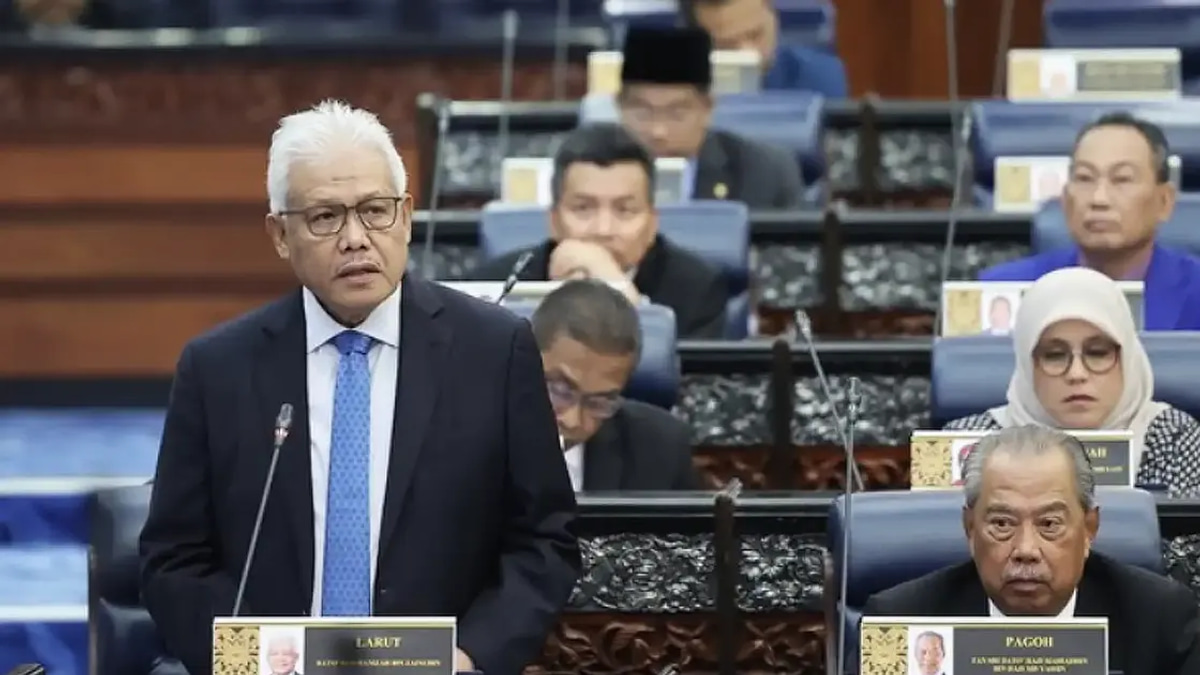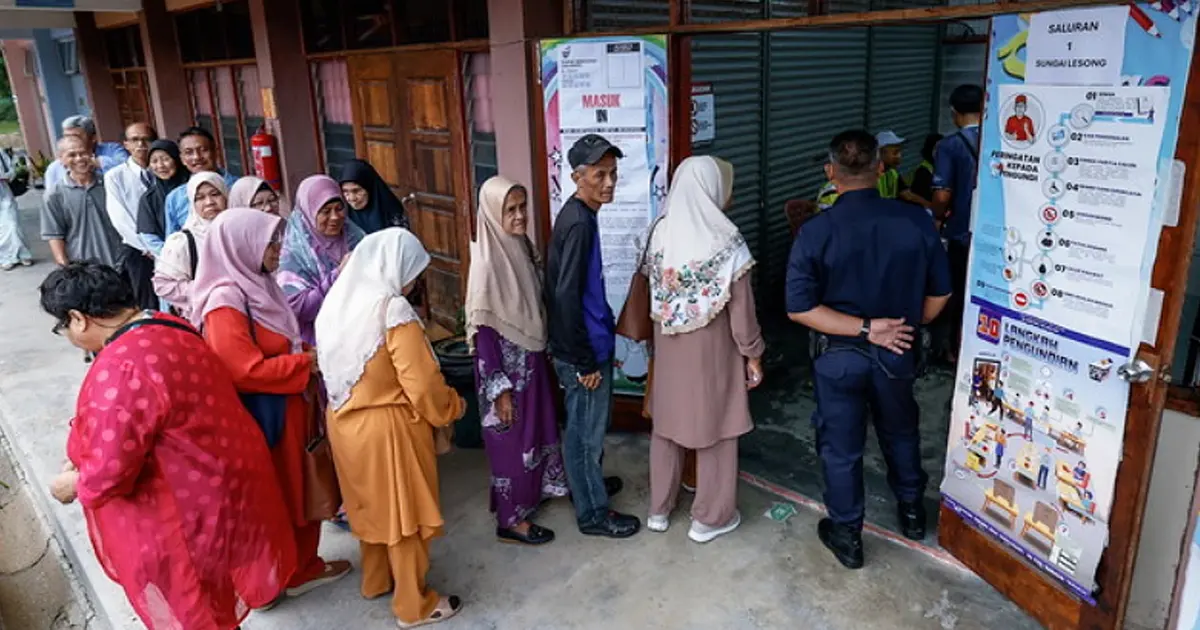
Political discourse centred on religion, race and royalty threatens to overwhelm Malay voters with fatigue, according to Awang Azman Pawi, a political scientist at Universiti Malaya, raising questions about the sustainability of such messaging as an electoral strategy. The analyst's warning reflects growing recognition that the so-called "3R" framework—a shorthand for Malaysia's perennial cultural and identity debates—may be reaching diminishing returns as a mobilising force, particularly as household anxieties mount across the Malay-Muslim community.
Awang Azman Pawi suggests that political parties seeking to consolidate support among Malay voters cannot rely indefinitely on identity-focused narratives without addressing tangible concerns that affect daily life. Instead, parties will ultimately face assessment based on their concrete performance in office and their ability to resolve pressing socioeconomic challenges. This observation carries significant implications for how Malaysian political parties craft their platforms and campaign messages, especially given the demographic complexity and economic pressures facing the country's largest ethnic group.
The cost of living crisis stands foremost among voter preoccupations across Malaysia. Inflation, stagnant wages, rising food and energy costs, and housing affordability have created widespread economic anxiety that transcends ethnic and religious lines. In this environment, voters are increasingly inclined to judge their leaders not by rhetorical prowess on cultural matters but by tangible improvements in their financial circumstances and access to essential services. For Malay voters in particular, the cumulative effect of economic hardship may diminish the resonance of identity-centred appeals that do not translate into material benefit.
The concept of "emotional fatigue" advanced by Awang Azman Pawi captures a subtle but consequential political phenomenon. Citizens exposed to relentless messaging on identity disputes, constitutional questions, and cultural anxieties may experience a form of psychological exhaustion, resulting in diminished engagement with such discourse and reduced persuasive impact. Political saturation on these themes could paradoxically weaken their electoral utility, as voters tune out or develop scepticism toward actors perceived as exploiting such issues for partisan advantage rather than offering genuine solutions.
Malaysia's political landscape has long been dominated by competing visions of the 3R framework, with different parties and coalitions staking out positions along this terrain. Umno and its allies have traditionally positioned themselves as custodians of Malay-Muslim interests, while opposition parties have attempted to articulate alternative interpretations of these concerns. However, the expansion of such discourse has not necessarily produced greater clarity or satisfaction among voters; instead, it may have contributed to the perception that these debates are cyclical and unresolved, offering little prospect of closure or meaningful progress.
The disconnect between identity-focused messaging and voter priorities becomes particularly acute during periods of economic stress. When households struggle with grocery bills, rent payments, and childcare expenses, abstract debates over religious prerogatives or constitutional symbols can seem distant and irrelevant. Political parties that fail to acknowledge this shift in voter psychology risk squandering their credibility and campaign resources on messaging that fails to resonate or persuade. Conversely, parties that successfully pivot toward concrete economic solutions may gain significant electoral advantage by demonstrating responsiveness to genuine constituent concerns.
Forces beyond party control also shape the salience of 3R issues. Social media algorithms, independent media coverage, and grassroots activism can amplify or diminish the prominence of identity debates, creating a complex information environment that parties must navigate. Additionally, generational shifts among Malay voters—younger cohorts often prioritize pragmatic governance over cultural grievances—introduce new pressures on established political strategies. These demographic and technological trends suggest that the traditional 3R framework may require substantial recalibration to remain electorally competitive.
The analyst's perspective aligns with broader observations from political scientists studying Southeast Asia, where economic development, urbanization, and education have incrementally shifted voter priorities in comparable societies. Thailand, Indonesia, and the Philippines have all witnessed moments when identity-centric appeals lost traction as voters demanded more tangible governance outcomes. Malaysia's trajectory may follow similar patterns, though the specific configuration of race, religion, and royalty adds distinctive complexities particular to Malaysian history and law.
For policymakers and party strategists, the implications are substantial. Building sustainable electoral coalitions among Malay voters will likely require demonstrating concrete progress on cost-of-living pressures, employment quality, education access, and healthcare delivery. Simply rehearsing established positions on identity matters, without coupling them to actionable policy commitments, risks exhausting voter engagement and undermining long-term political support. The challenge lies in simultaneously acknowledging legitimate cultural and constitutional concerns while pivoting meaningfully toward the economic and social policy reforms that voters increasingly demand.
The warning from Awang Azman Pawi ultimately underscores a fundamental political reality: that even deeply rooted electoral coalitions depend on continuous delivery of perceived benefits to constituents. Malaysian politics faces a pivotal moment where the resilience of the 3R framework as a mobilising force is being tested by the material pressures of contemporary economic life. How political parties respond to this tension—whether by doubling down on identity messaging, adopting more pragmatic governance-oriented appeals, or attempting to synthesise both approaches—will substantially determine electoral outcomes and the character of Malaysian politics in coming years.