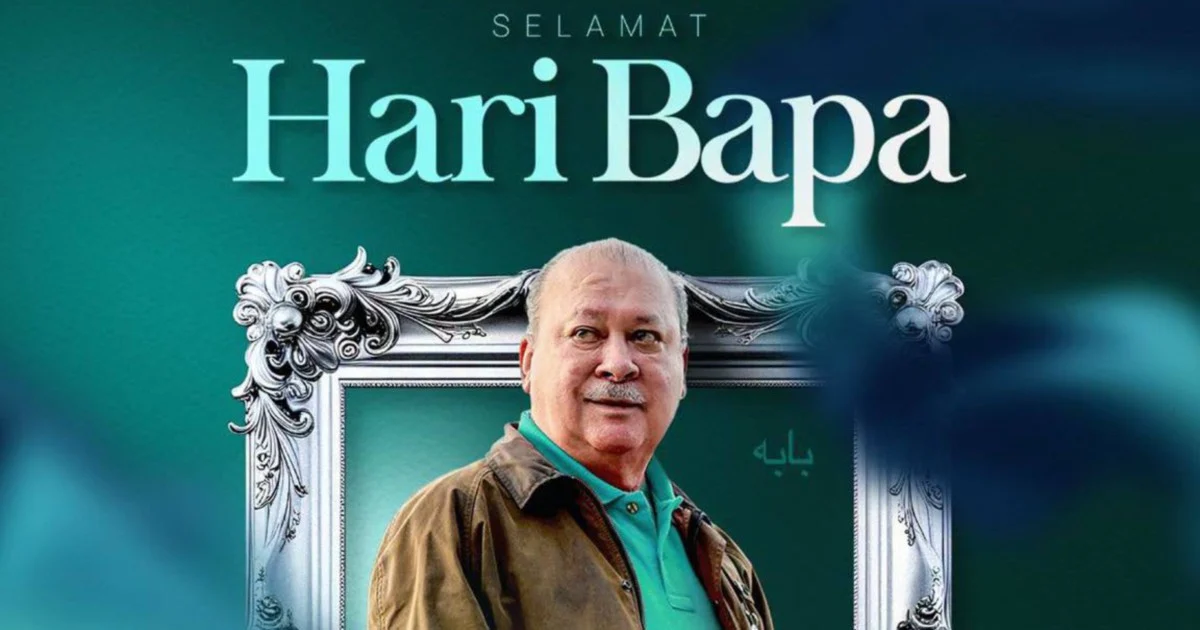
His Majesty Sultan Ibrahim, King of Malaysia, and Her Majesty Raja Zarith Sofiah, Queen of Malaysia, have released warm greetings on Father's Day, reaching out to fathers across the nation with their support and recognition. The gesture from Malaysia's highest constitutional figures underscores the formal acknowledgement of fatherhood as a central pillar of family life and national wellbeing during the annual observance.
Father's Day celebrations in Malaysia typically fall during mid-June, a time when families across the diverse nation take stock of paternal roles and responsibilities that span cultural, religious, and socioeconomic contexts. The timing of such greetings from the Yang di-Pertuan Agong and Queen Consort carries particular significance, as it signals the institution's alignment with values of family cohesion and parental engagement that remain culturally prominent across Malaysia's multi-ethnic society.
The royal couple's outreach reflects a broader pattern of ceremonial recognition that extends throughout the year, with the monarchy regularly acknowledging important dates and occasions affecting Malaysian households. Such gestures serve multiple functions within the constitutional framework: they humanize the institution of monarchy by connecting formal leadership to everyday family experiences, whilst simultaneously reinforcing certain social narratives about gender roles, parenthood, and domestic responsibility that resonate with significant portions of the Malaysian public.
In the Malaysian context, Father's Day carries particular resonance given the demographic composition of the nation and evolving discussions surrounding masculinity, work-life balance, and paternal involvement in child-rearing. Contemporary Malaysian fathers navigate competing expectations between traditional provider roles and increasingly progressive views on shared domestic responsibilities. Royal recognition of these transitions, however symbolic, provides cultural validation for fathers juggling career advancement, family obligations, and personal development across urban centres like Kuala Lumpur and throughout the country's diverse regions.
The observance also intersects with Malaysia's national identity discourse, where the monarchy functions as a symbol of unity across the federation's thirteen states and three federal territories. By extending greetings to all fathers, the King and Queen implicitly acknowledge the demographic breadth of their nation—encompassing Peninsular Malaysia, Sabah, and Sarawak—and the varied family structures and paternal arrangements that exist within each region. This inclusive messaging matters in a federation where state governments maintain considerable autonomy and where cultural practices vary significantly between regions.
Father's Day greetings from the palace also occur within Malaysia's broader ceremonial calendar, which includes commemorations for Mother's Day, National Day, and various religious occasions marking Muslim, Chinese, Indian, and other communities' significant dates. The consistency and visibility of such recognitions help establish the monarchy as an institution engaged with the texture of Malaysian family life rather than operating exclusively at a distant, formal level of governance. For many citizens, royal acknowledgement of family occasions feels personal and validating, strengthening emotional connections between institution and subject.
The timing of this year's Father's Day greetings may also carry subtle political implications, occurring as Malaysia navigates ongoing discussions about national unity, social cohesion, and institutional stability. Cultural messages emphasizing family strength and paternal responsibility can subtly reinforce narratives about traditional social structures and generational continuity—themes often mobilized during periods when institutions seek to project stability and connection with constituents' everyday concerns. The monarchy's participation in this messaging amplifies its reach and lends constitutional weight to celebrations that might otherwise remain primarily commercial or familial in nature.
For Malaysian families observing Father's Day through restaurant visits, gift-giving, or quiet family gatherings, the royal acknowledgement provides a cultural marker validating their celebration. This is particularly significant in a nation where commercialized holidays remain relatively recent cultural imports compared to traditional religious observances. Royal endorsement helps legitimize Father's Day within Malaysian contexts, distinguishing it from purely international or Western-derived traditions and integrating it into the national cultural fabric alongside celebrations with deeper historical roots in Malaysia.
The Queen's inclusion in these greetings represents a particularly notable aspect, as it demonstrates female representation in ceremonial roles that historically focused primarily on male monarchical authority. Her Majesty Raja Zarith Sofiah's active participation in royal communication and public greetings reflects evolution within Malaysian constitutional monarchy toward shared representation and shared voice in conveying national values and concerns. This symbolic partnership in extending Father's Day wishes carries implications beyond the occasion itself, signalling institutional recognition of the importance of female perspectives in national conversations about family, responsibility, and domestic life.
As Malaysia continues developing its modern national identity while maintaining connections to tradition, royal engagement with family-focused observances serves important cultural functions. These greetings, whilst modest in direct policy impact, represent how Malaysia's constitutional monarchy remains embedded within daily national life and ordinary family experiences, translating the institution's authority into moments of personal and communal significance for millions of Malaysian households.