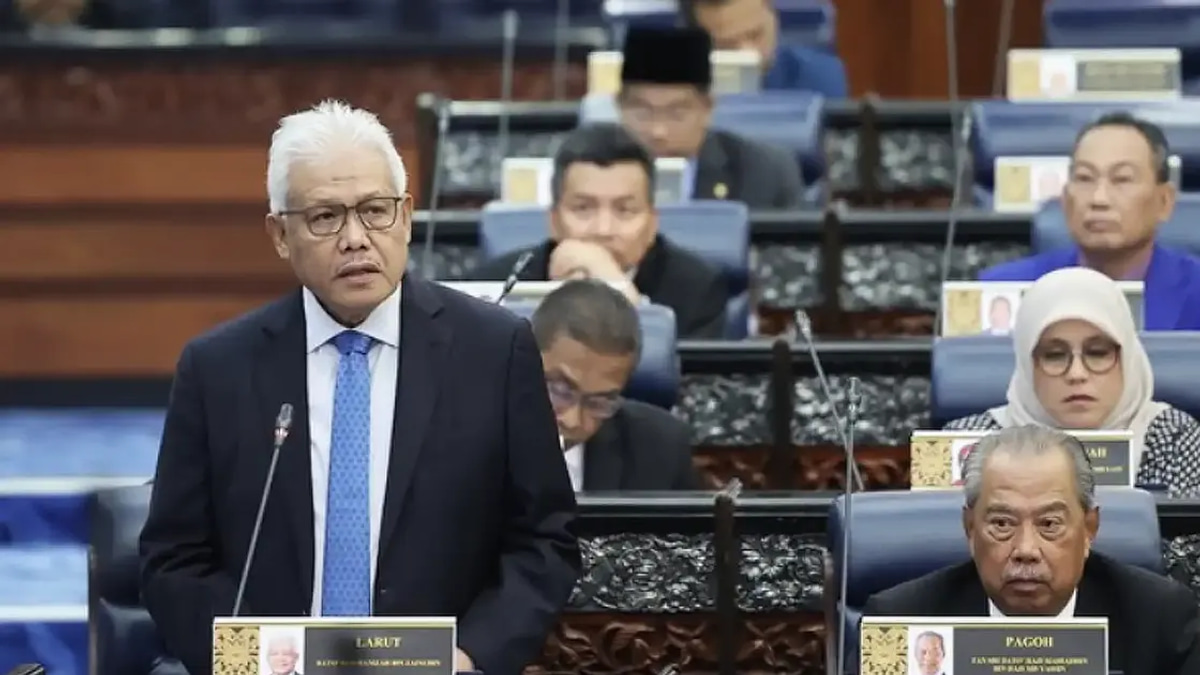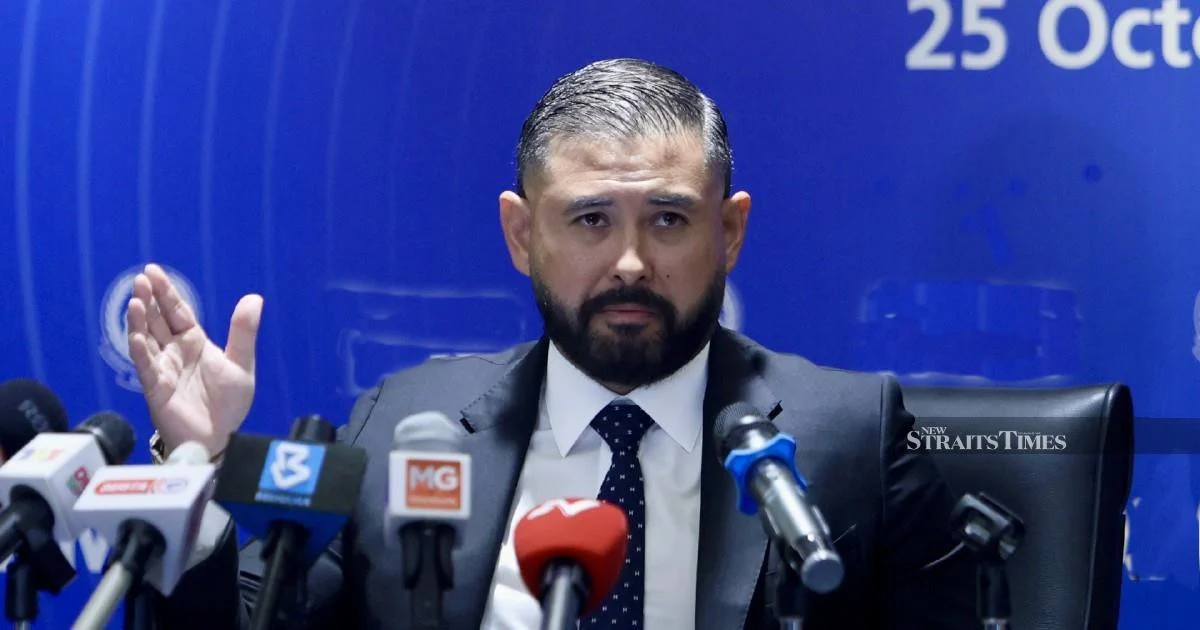
Johor's Regent Tunku Ismail Sultan Ibrahim has mounted a direct challenge to recent remarks by the Prime Minister concerning the state's financial position, rejecting the characterization that internal leakages represent the principal threat to Johor's economic health. Instead, the Regent contends that responsibility for the state's financial constraints lies with the federal government, which he argues has systematically failed to return fair revenue shares to Johor despite its substantial contributions to national income.
The dispute centres on fundamentally different interpretations of why Johor, despite its status as one of Malaysia's most economically productive states, continues to face budgetary constraints that limit infrastructure development and public services expansion. The Prime Minister's framing emphasized internal inefficiencies and misappropriation within state systems, suggesting that plugging these leaks should be the priority. The Regent's counter-position shifts the analytical lens entirely, suggesting that external fiscal arrangements imposed by Kuala Lumpur present the more serious obstacle to the state's progress.
This disagreement carries significant implications for Malaysian federalism and the distribution of resources between the federal centre and state governments. Johor's economic contribution to Malaysia is substantial, encompassing substantial petroleum reserves, agricultural production, manufacturing capacity, and port infrastructure. The state generates considerable tax revenues and royalties that flow into federal coffers, yet according to the Regent's perspective, the state receives inadequate compensation when funds are reallocated through federal programmes and mechanisms.
The tension between these competing narratives reflects broader structural tensions within Malaysia's fiscal federalism model. States that contribute disproportionately to national revenue often contend that they receive insufficient allocations from federal budgets, a pattern observed across numerous federalist systems globally. For Johor specifically, this arrangement has become increasingly contentious, particularly as the state seeks to fund major development initiatives and maintain public infrastructure systems that generate economic returns benefiting the entire nation.
Tunku Ismail Sultan Ibrahim's intervention in this debate carries particular weight given his position as the state's constitutional head and his substantial influence over Johor's governance direction. The Regent has increasingly positioned himself as an advocate for state interests and developmental ambitions, making statements that challenge federal policy decisions and resource allocation formulas. His willingness to publicly contradict the Prime Minister on economic matters demonstrates a growing assertiveness in defending Johor's fiscal position within Malaysia's constitutional framework.
The distinction between internal leakages and federal undersupply represents more than merely semantic quibbling about economic terminology. If the Regent's assessment is accurate, federal revenue allocation formulas may require restructuring to provide Johor with greater resources and financial autonomy. Conversely, if the Prime Minister's emphasis on internal leakages proves more empirically grounded, Johor would need to prioritize institutional reforms and accountability mechanisms to improve expenditure efficiency. These competing diagnoses lead to fundamentally different policy prescriptions.
For Malaysian business interests and investors operating in Johor, this dispute has direct consequences. States with secure revenue streams and predictable budgets can undertake long-term infrastructure planning and development commitments with confidence. Conversely, states perpetually constrained by fiscal uncertainty may struggle to fund projects that private sector partners consider essential for industrial competitiveness. The Regent's public assertion that federal arrangements disadvantage Johor signals ongoing pressure for renegotiation of fiscal relationships.
The broader context involves Johor's strategic importance to Malaysia's economic future. The state encompasses critical port facilities, petroleum and natural gas reserves, and increasingly substantial technology and manufacturing sectors. Investment in Johor's infrastructure and institutional capacity therefore affects not merely local prosperity but national economic performance. Federal and state officials' competing claims about fiscal adequacy reflect genuine disagreements about how best to maximize Johor's developmental potential.
Regional observers across Southeast Asia have noted Malaysia's ongoing struggles to balance central authority with state autonomy. Countries including Indonesia, the Philippines, and Thailand have grappled with similar federalism and decentralization challenges, often with significant political consequences. Johor's assertiveness in demanding fairer resource treatment may influence how other Malaysian states approach their own fiscal negotiations with Kuala Lumpur, potentially catalyzing broader debates about Malaysia's constitutional arrangement of fiscal powers.
The Regent's public stance also reflects shifting political dynamics within Johor, where state-level interests sometimes diverge from federal government priorities. As Malaysian politics becomes increasingly multipolar, with significant power centres emerging beyond Kuala Lumpur, individual states and their leaders have grown more willing to articulate autonomous positions on major policy questions. Tunku Ismail Sultan Ibrahim's intervention exemplifies this emerging pattern of state-level leaders engaging directly in national policy debates rather than deferring automatically to federal government narratives.
Moving forward, resolving this dispute will require detailed financial analysis comparing Johor's revenue contributions against its federal budget allocations relative to other states and relative to its population and economic output. Both the Prime Minister and the Regent have offered competing claims about fiscal fairness, but substantiating either position demands transparent accounting of revenue flows and allocation mechanisms. Malaysian civil society observers and policy analysts have increasingly called for greater transparency in federal-state fiscal arrangements, making this dispute potentially catalytic for broader discussions about budgetary accountability.
The disagreement between Malaysia's federal leadership and Johor's Regent represents more than a localised dispute about one state's finances. It highlights fundamental questions about resource distribution in a federation where significant economic production concentrates in particular states yet revenue allocation involves complex formulas that federal officials control. As Johor continues asserting its interests within Malaysia's political system, the outcome of this particular dispute may substantially reshape federal-state fiscal relationships across the country.