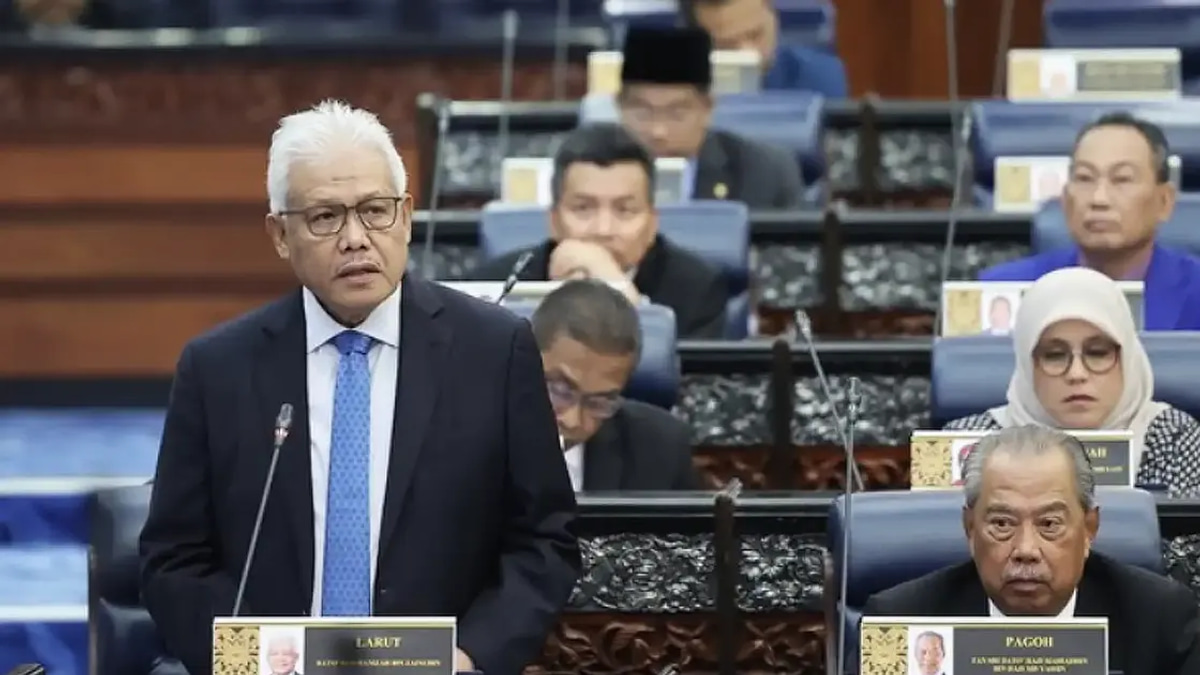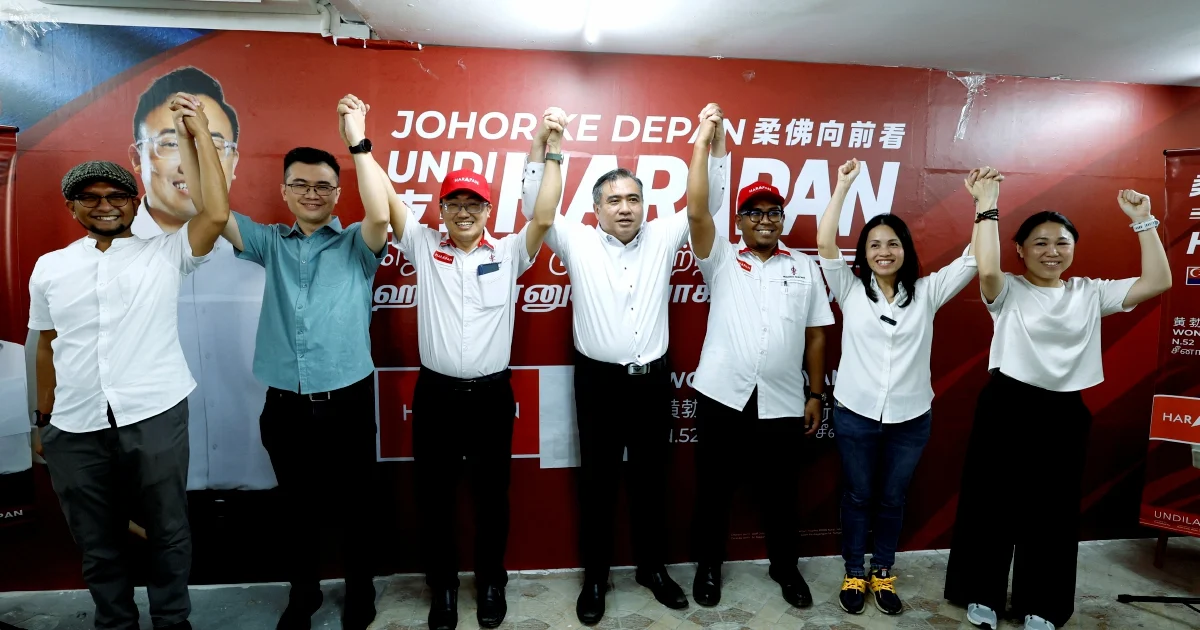
Pakatan Harapan is keeping its cards close to its chest regarding who will lead Johor if the coalition secures victory in the state election, with the decision deliberately postponed until after polling day. The strategic silence reflects a deliberate choice to maintain electoral momentum without becoming entangled in leadership succession debates that could prove distracting or divisive during the campaign period.
The coalition's approach represents a calculated political manoeuvre common in Malaysian electoral strategy. By declining to pre-announce its chief ministerial candidate, PH avoids narrowing its options before votes are cast and minimises the risk of generating friction between coalition partners competing for the post. This tactical restraint also prevents opponents from focussing attack ads on a specific personality rather than contesting the coalition's broader policy platform.
For Johor voters evaluating their electoral options, the approach carries distinct implications. Electors will be asked to choose between broad coalition alternatives rather than specific leadership faces, a dynamic that shifts emphasis from individual personalities to institutional performance and party credibility. This framing can advantage coalitions with stronger organisational records while penalising those dependent on charismatic individual leaders.
The decision-making structure itself deserves attention. By reserving the selection process for the coalition's uppermost leadership council, PH signals that the chief minister position will emerge through negotiation among its constituent parties rather than through grassroots party processes or wider membership consultation. This centralised approach ensures senior figures retain ultimate control while enabling them to balance competing interests and secure inter-party consensus before public announcement.
Johor's political significance within Malaysia's national landscape makes this leadership question consequential far beyond state boundaries. The state has historically served as a crucial electoral battleground and revenue source for governing coalitions, giving whoever controls the Menteri Besar's office substantial influence over federal political dynamics. A strong PH performance in Johor would reshape the calculus around who can credibly claim to lead any future national government.
The coalition's electoral prospects in Johor remain uncertain, making the deferral of candidate naming strategically sensible. Public announcement of a chief ministerial choice before election results are known could activate opposition campaigns specifically targeting that individual, potentially generating negative publicity that undermines the broader coalition message. Delaying the announcement until victory is secured transforms the successor from a political liability into a coronation narrative.
For Malaysian electoral observers, the PH strategy illustrates how modern Southeast Asian political coalitions manage the tension between demonstrating internal cohesion and avoiding pre-election controversies. The approach differs markedly from systems where major party candidates are named far in advance, reflecting different assumptions about voter behaviour and coalition management in the Malaysian context.
The question of Johor's leadership touches on deeper issues about internal PH dynamics and the balance of power among its member parties. Different components of the coalition may harbour distinct preferences about who should occupy the chief minister's office, with the final decision requiring delicate political calibration. Announcing the choice only after victory provides cover for senior figures to make whatever selection maximises overall coalition stability.
From a Southeast Asian perspective, Johor's political trajectory matters for understanding how Malaysia's federal system distributes power between national and state governments. A successful PH performance would affirm the viability of opposition coalitions in challenging entrenched state-level dominance, potentially encouraging similar electoral combinations elsewhere across the region.
The postponement also reflects practical considerations about candidate readiness and campaign dynamics. PH may wish to assess which party member performs most compellingly during the election campaign itself, allowing voter response and organisational performance to inform the final selection. This data-driven approach to leadership selection represents an evolution in how Malaysian political coalitions make senior appointments.
Ultimately, PH's deliberate vagueness about its chief ministerial choice underscores how electoral strategy in Malaysia increasingly revolves around managing information release and maintaining narrative control throughout the campaign period. By declining premature disclosure, the coalition preserves flexibility while focussing voter attention on its electoral prospects rather than internal succession questions. The approach will likely remain standard practice for major coalitions contesting state-level elections across Malaysia.