Japan reported on Friday that a crude oil tanker bearing Japanese ownership has successfully navigated through the Strait of Hormuz and departed the Persian Gulf, signalling a tentative easing of maritime tensions that have disrupted regional shipping for weeks. The vessel, operated by Kyoei Tanker and flying a Liberian flag, carried three Japanese crew members and is now en route to Japan after coordinated diplomatic negotiations between Tokyo and Tehran facilitated its passage through one of the world's most strategically vital waterways.
The passage represents a symbolic milestone for Japanese interests in the region. The tanker had remained stranded in the Gulf alongside dozens of other vessels as escalating geopolitical friction made transit through the Strait of Hormuz increasingly precarious and commercially unfeasible. Japan's Ministry of Foreign Affairs confirmed that this evacuation completes the withdrawal of all Japanese-crewed vessels that had been trapped in the congested waters, alleviating immediate concerns about the safety of Japanese maritime workers and the disruption to crude oil supply chains that Japan heavily depends upon.
The breakthrough follows a recent memorandum of understanding signed between Washington and Tehran, which appears to have created sufficient diplomatic space for normal shipping operations to resume. This agreement represents a rare moment of cooperation between the two adversarial powers on maritime safety, addressing long-standing concerns among regional and international maritime stakeholders about predictability and freedom of navigation through one of the world's most economically important chokepoints. For Japan, which imports roughly 80 per cent of its crude oil and must source much of this from Middle Eastern producers, the restoration of reliable Hormuz transit is a matter of fundamental energy security.
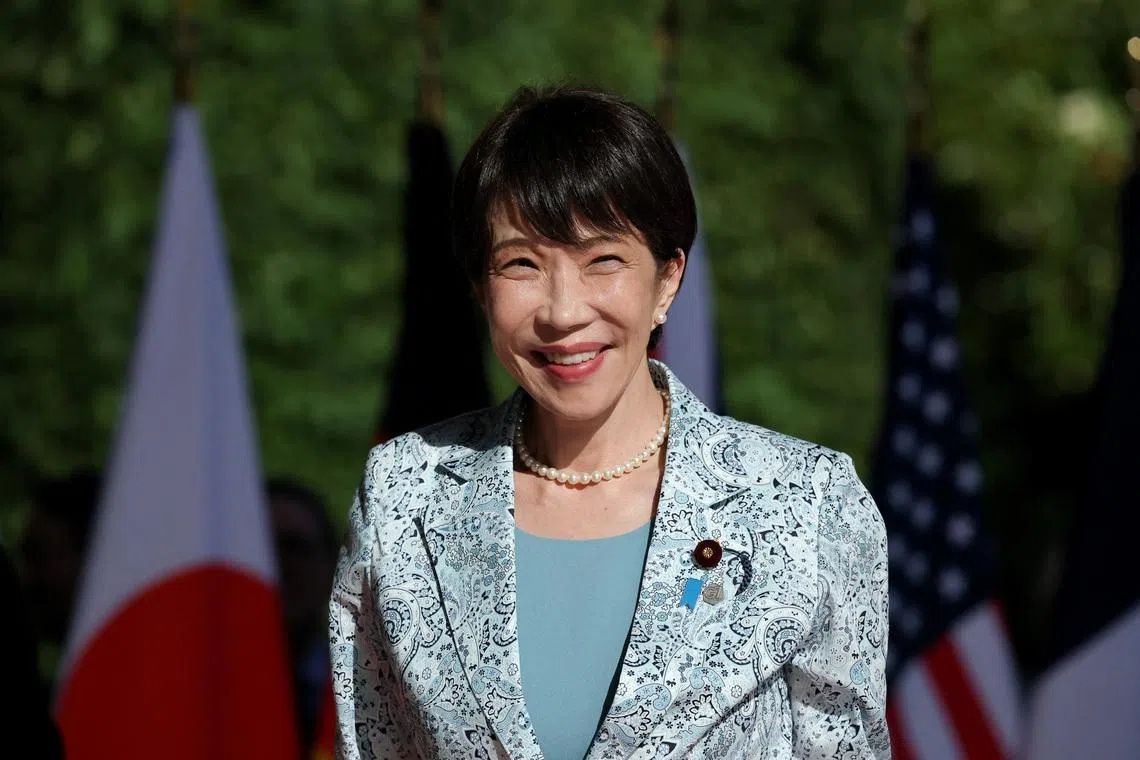
Prime Minister Sanae Takaichi underscored Japan's commitment to sustaining this diplomatic momentum, stating on X that the government would intensify efforts to ensure the Strait of Hormuz returns to reliable, unimpeded passage for international shipping. Her remarks acknowledged that while one hurdle has been cleared, the broader challenge of normalising operations through the waterway persists. The Japanese government's proactive engagement with Iran throughout this episode demonstrates Tokyo's willingness to pursue independent diplomatic channels, even as it maintains alliance commitments with the United States.
However, the situation remains far from fully resolved. Approximately 37 vessels with Japanese maritime interests remain queued to transit the Strait of Hormuz, awaiting improved conditions and clearer assurances of safe passage. This backlog reflects both the scale of commercial disruption caused by recent tensions and the lingering uncertainty about whether the US-Iran understanding will hold firm or prove temporary. Shipping companies and owners continue to exercise caution, cognisant that geopolitical volatility in the Persian Gulf can shift rapidly and unexpectedly.
For Southeast Asian maritime industries and economies integrated into regional supply chains, Japan's experience carries cautionary implications. The Strait of Hormuz handles approximately one-third of global seaborne oil trade, and any sustained disruption cascades through the entire Asian maritime sector, affecting fuel prices, shipping insurance premiums, and delivery schedules. Malaysia, Singapore, and other ASEAN nations with significant shipping interests and energy imports depend equally on the strait's stability, making Japan's negotiating success a shared regional concern.
The Kyoei Tanker vessel's passage also underscores the critical role that Japanese diplomatic presence and soft power play in regional stability. Tokyo's ability to coordinate directly with Tehran, independent of broader US-Iran hostilities, reflects Japan's historical cultivation of pragmatic relationships across the Middle East. This diplomatic capability has become increasingly valuable as Middle Eastern geopolitics fracture along multiple competing axes, with regional players and external powers struggling to manage competing interests.
Looking forward, Japanese authorities will likely continue leveraging the US-Iran memorandum to press for formalised assurances regarding maritime safety protocols and incident reporting mechanisms. The presence of the remaining 37 vessels waiting for passage suggests that commercial confidence has not yet fully returned, and shipping companies may require stronger guarantees before resuming normal operations. Japan's government has indicated its intention to maintain pressure on both Washington and Tehran to institutionalise maritime cooperation rather than treating current arrangements as provisional.
The successful transit also reflects broader regional cooperation dynamics. Japan's Ministry of Foreign Affairs' coordination with Iranian authorities suggests that despite headline-grabbing tensions, pragmatic working relationships between Tokyo and Tehran persist on specific issues of mutual interest. For Malaysian observers tracking Middle East developments, this demonstrates that even amid geopolitical friction, economic interdependencies can create space for targeted diplomatic progress on confined issues.
Ultimately, while Friday's passage represents tangible progress, it represents merely one vessel among many. The true test of whether conditions have fundamentally stabilised will emerge over coming weeks and months, as the backlog of waiting vessels attempts to transit and shipping companies reassess risk calculations. Japan's next challenge involves translating this single successful passage into sustained, predictable maritime conditions that restore confidence throughout the Asian shipping industry and secure Japan's strategic energy interests in an increasingly unpredictable geopolitical landscape.

%22%2F%3E%3C%2Fpattern%3E%3C%2Fdefs%3E%3Crect%20width%3D%22100%25%22%20height%3D%22100%25%22%20fill%3D%22url(%23ph25xh5g)%22%2F%3E%3Crect%20width%3D%22100%25%22%20height%3D%22100%25%22%20fill%3D%22url(%23ph25xh5p)%22%2F%3E%3Ctext%20x%3D%2250%25%22%20y%3D%2250%25%22%20text-anchor%3D%22middle%22%20dominant-baseline%3D%22central%22%20fill%3D%22rgba(255%2C255%2C255%2C0.95)%22%20font-family%3D%22Georgia%2C%20'Times%20New%20Roman'%2C%20serif%22%20font-weight%3D%22700%22%20font-size%3D%22170%22%20letter-spacing%3D%22-0.02em%22%3EKelantan%3C%2Ftext%3E%3C%2Fsvg%3E)