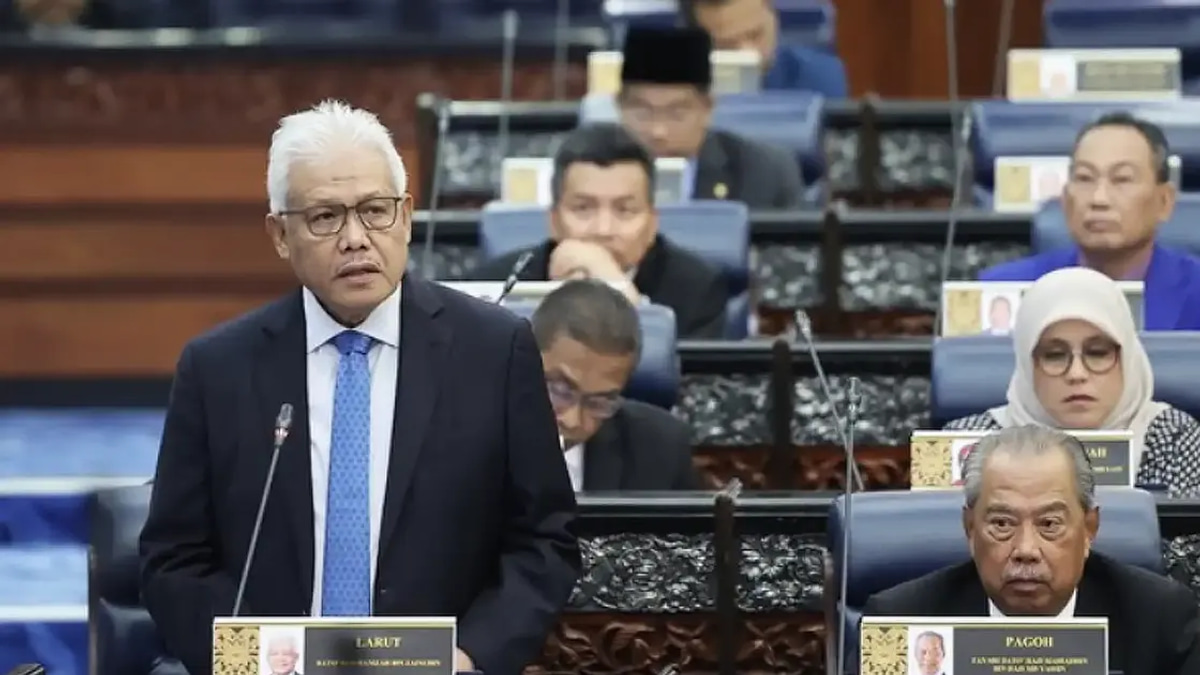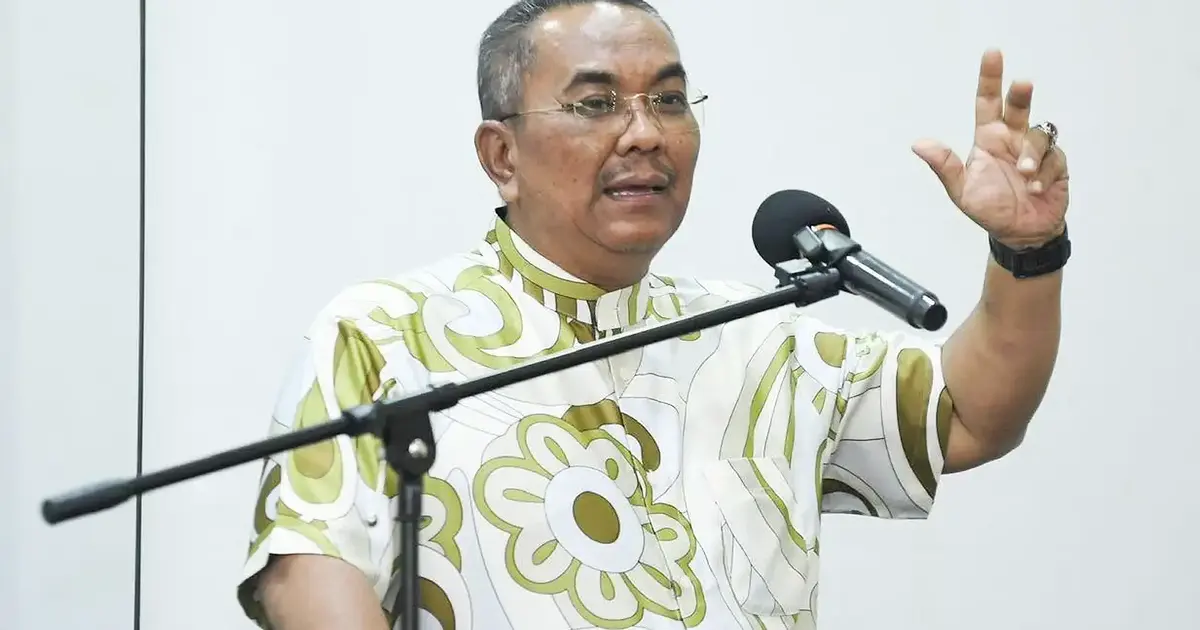
The fragile alliance between PAS and Bersatu within the Perikatan Nasional coalition faces mounting strain that could significantly impact the coalition's electoral prospects in Kedah, according to political analyst Awang Azman Pawi. The internal discord threatens to undermine what might otherwise appear to be a commanding political position, particularly affecting Muhammad Sanusi Md Nor's ability to secure decisive victories across the state in forthcoming elections.
Awang Azman Pawi's assessment suggests that the rivalry and disagreements between the two major Perikatan Nasional component parties run deeper than public statements indicate. Rather than presenting a unified front that would typically consolidate voter support, the competing interests and strategic differences between PAS and Bersatu have created visible cracks in the coalition's facade. This internal disarray carries real consequences for the coalition's electoral mathematics, potentially translating abstract policy disputes into concrete seat losses.
The core concern centres on voter confusion arising from conflicting messaging and competing campaign strategies. When coalition partners fail to present harmonious positions on key issues, the electorate struggles to understand what voting for the alliance actually represents. In Kedah specifically, where Muhammad Sanusi Md Nor has established considerable political capital as Menteri Besar, such confusion could paradoxically weaken his negotiating position within the broader PN framework and complicate his legislative agenda even in constituencies where PN retains nominal control.
Bersatu's position in particular appears vulnerable within this dynamic. As the junior partner in many constituencies, Bersatu risks being sidelined or receiving unfavourable seat allocations if internal disputes escalate. The party's electoral prospects in specific Kedah constituencies could suffer dramatically if PAS-backed candidates monopolize the coalition's resources and campaign momentum. Analysts have noted that in multi-party systems where coalition unity depends on delicate power-sharing arrangements, such rifts frequently manifest in unequal candidate selection and resource distribution.
The analyst's warning carries particular significance given PAS's dominant position within PN. As the coalition's largest component by membership and arguably its ideological anchor, PAS naturally gravitates toward maximizing its own seat count. This creates an inherent tension with Bersatu's aspirations, particularly in constituencies where both parties harbour ambitions. Without effective coalition management mechanisms, such competition inevitably bleeds into the public arena, undermining the unified messaging essential for electoral success.
For Malaysian voters in Kedah, this internal coalition friction represents a departure from the decisive, unified governance narrative that PN has attempted to project nationally. The state has been a PN stronghold, and Muhammad Sanusi Md Nor has cultivated an image as a decisive administrator. Signals of internal coalition strain complicate this positioning, suggesting potential governance instability that could concern pragmatic swing voters who prioritize administrative competence over partisan loyalty.
The implications extend beyond immediate seat calculations. If PN's coalition partners cannot maintain public unity in Kedah—a state where they enjoy substantial governmental control—their credibility in claiming superior organizational capacity compared to opposition coalitions suffers measurably. Opposition parties, whether Pakatan Harapan or other groupings, can leverage such visible discord to suggest that PN governance prioritizes inter-party competition over constituent interests, a narrative that resonates particularly strongly in Malaysian electoral contexts where local governance performance heavily influences voter behaviour.
Awang Azman Pawi's analysis also implicitly addresses the structural vulnerabilities of Malaysia's current coalition-based political system. The Perikatan Nasional framework, despite its electoral successes in recent years, remains vulnerable to the same partnership strains that have periodically destabilized Pakatan Harapan. The absence of institutionalized conflict resolution mechanisms within PN means that disputes between component parties frequently play out in public, eroding coalition cohesion and opening space for opposition advances.
Historically, Kedah has demonstrated sensitivity to local political dynamics distinct from national trends. The state's voters have occasionally delivered surprising results that defied broader peninsular patterns, suggesting a particularly engaged and discerning electorate. Against this backdrop, visible PAS-Bersatu tensions could prove more consequential than equivalent friction in constituencies with less politically sophisticated electorates. Voters attuned to local coalition dynamics may strategically distribute votes to ensure opposition representation, particularly if they perceive PN as likely to face governance paralysis.
The timing of such internal strains matters considerably for Muhammad Sanusi Md Nor's political positioning. As an incumbent Menteri Besar seeking to consolidate and potentially expand his mandate, coalition dysfunction complicates his ability to demonstrate decisive leadership. Supporters may question whether apparent administrative successes represent Sanusi's personal competence or benefited from fortuitous circumstances. Conversely, opponents will attribute any perceived shortcomings to coalition instability beyond Sanusi's control, muddying accountability assessments that typically favour incumbents.
Moving forward, whether Perikatan Nasional can contain or resolve the PAS-Bersatu tensions will substantially determine the coalition's electoral ceiling in Kedah. A managed accommodation, perhaps through senior leadership intervention or formalized conflict resolution procedures, could preserve coalition viability. Alternatively, if tensions escalate into visible candidate conflicts or public recriminations, the resulting fragmentation could enable opposition parties to recover seats they might otherwise surrender to a unified PN coalition.