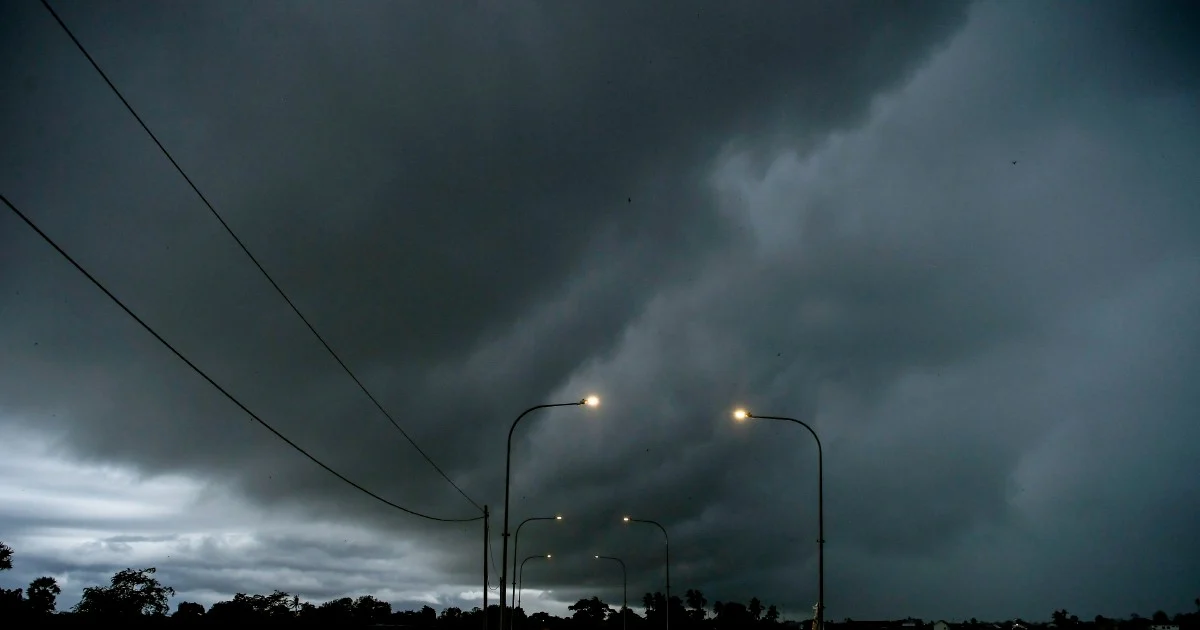
The Malaysian Meteorological Department has alerted residents across the country to prepare for volatile weather, with thunderstorms and torrential downpours expected to blanket large portions of the nation until early evening. The advisory covers regions throughout Peninsular Malaysia as well as both East Malaysian states, signalling a significant weather system affecting the entire federation. With such widespread coverage, the department's warning underscores the intensity and geographical reach of the atmospheric disturbance moving across Malaysian airspace.
Thunder and lightning will accompany the rainfall across affected areas, creating hazardous conditions for those venturing outdoors during this period. The combination of electrical activity and heavy precipitation poses particular risks to outdoor workers, construction crews, and event organisers who must immediately curtail or postpone activities that could expose people to lightning strikes. Strong gusts of wind accompanying the storm system could topple unsecured structures, scatter loose materials, and create dangerous projectiles in urban and rural settings alike.
For commuters and travellers, the warning carries serious implications for road safety and transportation schedules. Heavy rainfall reduces visibility on highways and expressways, while waterlogged streets in urban areas may become impassable or subject to sudden flash flooding. Bus and taxi services may experience delays as drivers exercise caution on slick roads, while motorcyclists face particular vulnerability to skidding or hydroplaning. Public transport networks should expect congestion as weather-conscious travellers seek shelter or retime their journeys to avoid the worst of the deluge.
The Malaysian Meteorological Department's decision to issue an alert reflects meteorological confidence in the severity and extent of the system. Such warnings allow government agencies, utility companies, and the private sector adequate notice to implement precautionary measures. Authorities managing infrastructure that could be affected—from power distribution networks to water management systems—can position crews and resources strategically to respond swiftly to any disruptions or emergencies that arise during the storm window.
Residents in affected areas should secure loose items that could become wind-borne projectiles, check that drainage systems are functioning properly to handle anticipated runoff, and ensure adequate water supplies in case localised flooding disrupts water treatment or distribution temporarily. Families with young children or elderly members should plan indoor activities and ensure medications and essential supplies are accessible. Those living in flood-prone areas should remain alert for potential evacuations if water levels rise significantly.
The timing of the warning until 5pm suggests the meteorological system is expected to track through Malaysian territory during daylight hours, allowing residents to prepare and seek appropriate shelter during the afternoon. The defined endpoint provides some reassurance that conditions should stabilise by early evening, though residents should remain cautious as localised areas may experience lingering moisture and occasional showers after the principal system passes through.
For the agricultural sector, particularly farmers managing open fields or livestock, the intense rainfall and wind pose challenges to crops nearing harvest and stress to animals kept outdoors. Plantation operators managing palm oil and rubber estates should assess drainage conditions and ensure workers are aware of lightning hazard protocols. Fishermen and maritime workers must exercise extreme caution, as combining rough seas with thunder and lightning creates life-threatening conditions on the water.
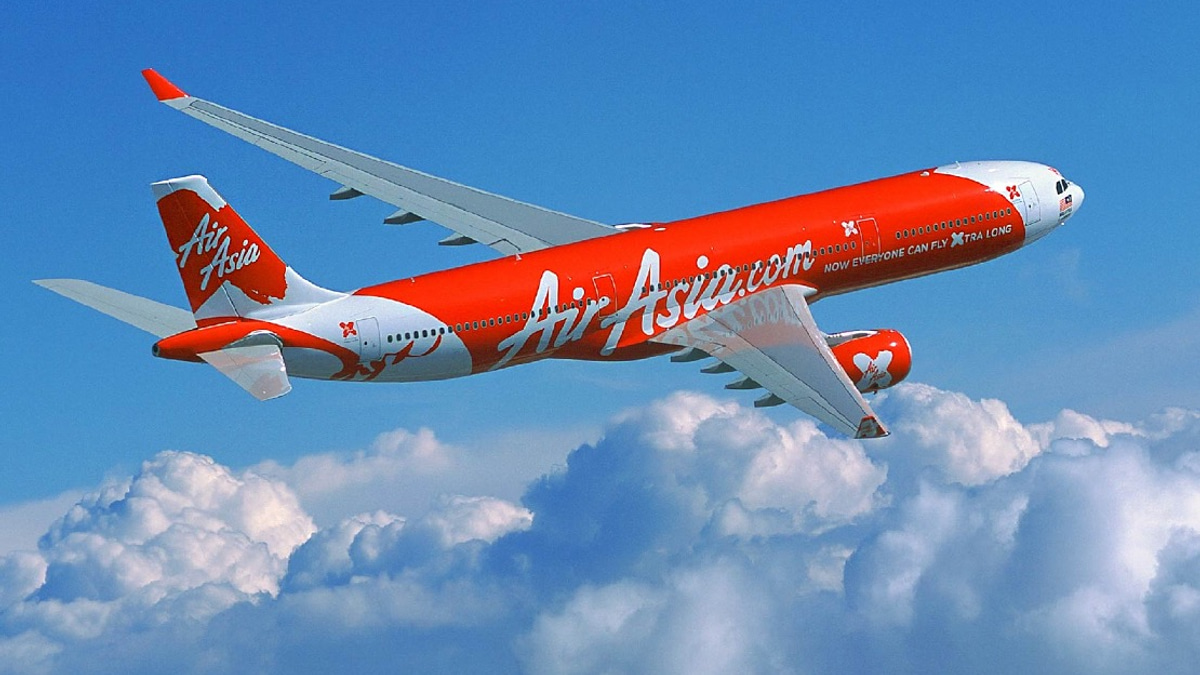
Airports and aviation authorities will monitor the system closely, as thunderstorms and strong wind shear can disrupt flight operations and require temporary runway closures or flight diversions. Airlines may impose delays or schedule adjustments to maintain safety margins, potentially affecting both domestic and international travellers. Passengers should check with their airlines and remain flexible with travel plans during this weather window.
The broader meteorological picture suggests this is a convective system typical of tropical environments, particularly during transitional seasons when atmospheric instability promotes vigorous thunderstorm development. Such systems can produce extreme precipitation rates over short periods, making flash flooding a particular concern in urban areas with inadequate drainage and in low-lying regions where water naturally accumulates. Drainage authorities should ensure pumping stations are fully operational to handle surge volumes.
For businesses operating in retail, services, and hospitality, the weather warning may reduce foot traffic as customers shelter indoors or avoid venturing out unnecessarily. Schools and universities should ensure safe practices if the storm arrives during dismissal times, potentially coordinating with transport providers to manage congestion and ensure student safety. Some outdoor events scheduled for the afternoon may require rescheduling or relocation to indoor venues.
While the Malaysian Meteorological Department's alert provides a clear timeline, residents should remain attentive to updated forecasts or warnings, as atmospheric systems sometimes intensify, shift position, or persist longer than initially projected. Checking official weather updates through digital platforms, television broadcasts, or radio bulletins ensures access to the latest information. Neighbouring Singapore and Brunei may also experience spillover effects from this system, reflecting how regional weather patterns affect Southeast Asia as a connected climatic zone.
%22%2F%3E%3C%2Fpattern%3E%3C%2Fdefs%3E%3Crect%20width%3D%22100%25%22%20height%3D%22100%25%22%20fill%3D%22url(%23ph4lm65g)%22%2F%3E%3Crect%20width%3D%22100%25%22%20height%3D%22100%25%22%20fill%3D%22url(%23ph4lm65p)%22%2F%3E%3Ctext%20x%3D%2250%25%22%20y%3D%2250%25%22%20text-anchor%3D%22middle%22%20dominant-baseline%3D%22central%22%20fill%3D%22rgba(255%2C255%2C255%2C0.95)%22%20font-family%3D%22Georgia%2C%20'Times%20New%20Roman'%2C%20serif%22%20font-weight%3D%22700%22%20font-size%3D%22170%22%20letter-spacing%3D%22-0.02em%22%3EMalaysia%3C%2Ftext%3E%3C%2Fsvg%3E)