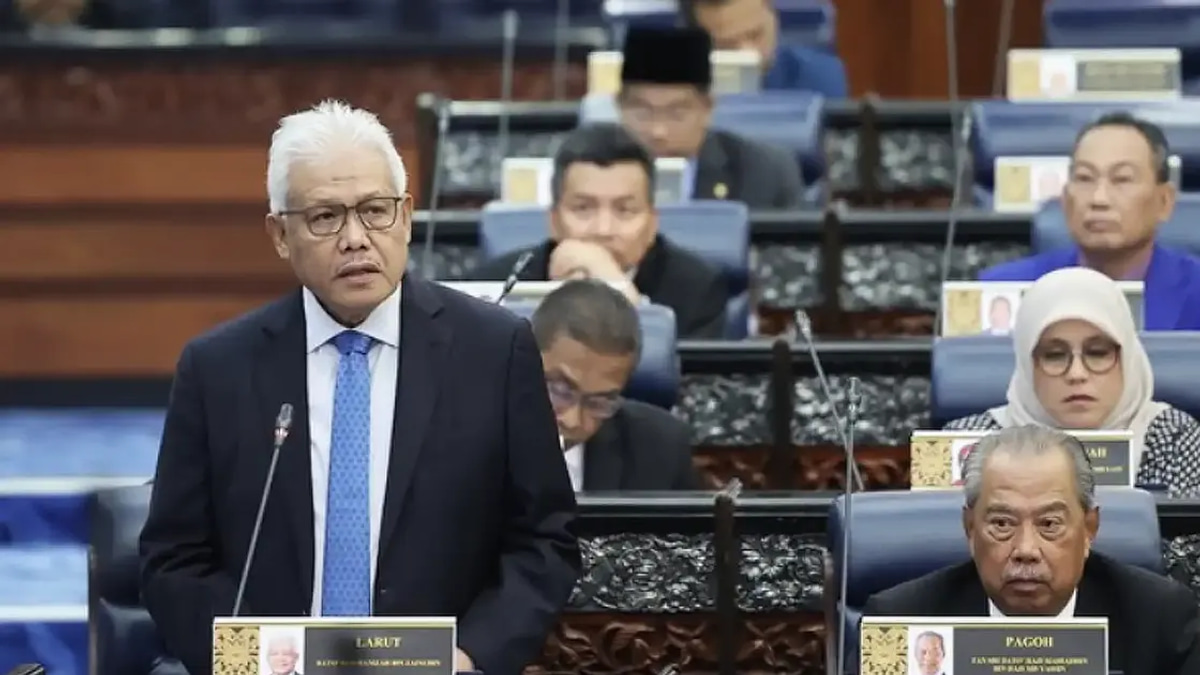
The Malaysian government's decision to provide free broadcasting of the 2026 FIFA World Cup through national television and streaming services is proving popular with both business operators and the public, as it significantly reduces entertainment costs that would otherwise fall on restaurants, food courts and family budgets. Communications Minister Datuk Fahmi Fadzil made this observation during a visit to a public market in Butterworth on June 20, where he attended a special World Cup viewing programme and engaged directly with traders about their circumstances.
The initiative has resonated particularly strongly with the food and beverage sector, which traditionally faces steep licensing fees when screening international sporting events. The Malaysian Muslim Restaurant Owners Association has publicly endorsed the government's move, highlighting the substantial savings it generates for members who operate establishments ranging from hawker stalls to larger dining venues. One restaurateur shared with Fahmi that the ability to show World Cup matches without charge marked the first occasion in over two decades that he could provide this entertainment offering to customers at no financial cost.
Access to the broadcasts remains straightforward for the wider public and business operators alike. Matches are available through RTM's traditional television service, the RTMKlik digital platform, and Unifi TV, ensuring multiple viewing options across different audience segments and technological preferences. This multi-channel approach maximises reach while removing barriers that previously prevented smaller establishments and lower-income households from accessing premium sporting content.
Fahmi framed the broadcasting policy as part of a broader government commitment to easing financial pressures facing ordinary Malaysians and small business operators. By eliminating licensing costs that restaurants would normally incur to legally screen international matches, the initiative addresses a specific source of operational expense that had been particularly burdensome during periods of economic uncertainty. The minister noted that such savings enable food premises to potentially reinvest money in other areas, whether through improved facilities, better customer service, or competitive pricing.
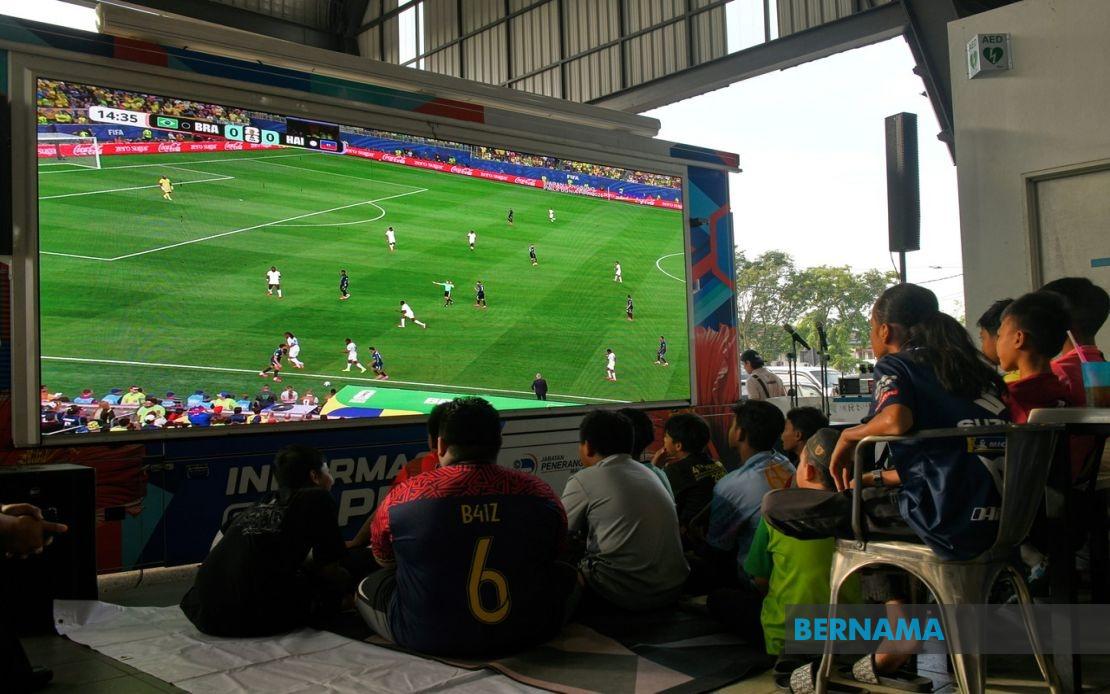
The minister's ground visit served purposes beyond merely announcing the broadcasting arrangement. He spent time watching the Brazil versus Haiti match alongside members of the public and mingling with traders at the Seberang Jaya Public Market food court, creating an informal setting for genuine dialogue about business conditions and operational challenges. This direct engagement provided him with candid feedback that would be unlikely to emerge through formal channels, as traders spoke openly about their circumstances in the relaxed atmosphere of a community viewing.
During conversations with market vendors, Fahmi identified several pressing concerns affecting their livelihoods and operating costs. The discussion encompassed both existing challenges and the expectations traders hold regarding potential assistance from both state and federal government levels. Rather than treating this feedback as routine, the minister committed to escalating key points to Prime Minister Datuk Seri Anwar Ibrahim and Penang Chief Minister Chow Kon Yeow, signalling that the information gathered would influence policy considerations at the highest levels of government.
A persistent theme in Fahmi's conversations with traders centred on the downstream effects of international instability on domestic business operations. The conflict in West Asia has created inflationary pressures in Malaysia's supply chains, pushing up the cost of imported goods and raw materials used in food preparation and other commercial activities. While acknowledging hopes for eventual resolution of regional tensions, the minister recognised that these cost increases represent an immediate and ongoing challenge requiring government attention and response.
Fahmi emphasised that ministers, Members of Parliament, and state assemblymen should make greater efforts to spend time in communities observing conditions firsthand rather than relying solely on reports and statistics. Such ground-level exposure, he suggested, provides irreplaceable understanding of how policy decisions translate into concrete impacts on traders' profitability and families' purchasing power. The visibility of senior officials in local markets also signals government attentiveness to ordinary Malaysians' concerns and creates opportunities for direct problem-solving.
The World Cup broadcasting initiative exemplifies how government decisions affecting entertainment access intersect with broader economic welfare. For small business operators with thin profit margins, eliminating licensing fees creates meaningful relief even if measured in absolute terms the savings may appear modest. For families deciding whether to dine out during major sporting events, knowing they can watch at a food court without additional charges makes entertainment more accessible and affordable across income levels.
The success of this policy in garnering positive feedback from traders and the public suggests potential appetite for similar initiatives that reduce costs for businesses and households in other sectors. The government's apparent willingness to absorb the cost of free broadcasts through public television infrastructure raises questions about what other premium entertainment or informational content might eventually be made available through similar channels, and whether the model could extend beyond sports to cultural or educational programming.
As Malaysia looks toward the 2026 tournament, the free broadcasting arrangement positions the nation to experience these global sporting moments collectively across diverse socioeconomic groups. The visibility of senior government officials watching matches in public spaces alongside ordinary citizens also contributes to a sense of shared national interest in international sports, while the cost savings help ensure that financial constraints do not prevent people from participating in a major global cultural event.