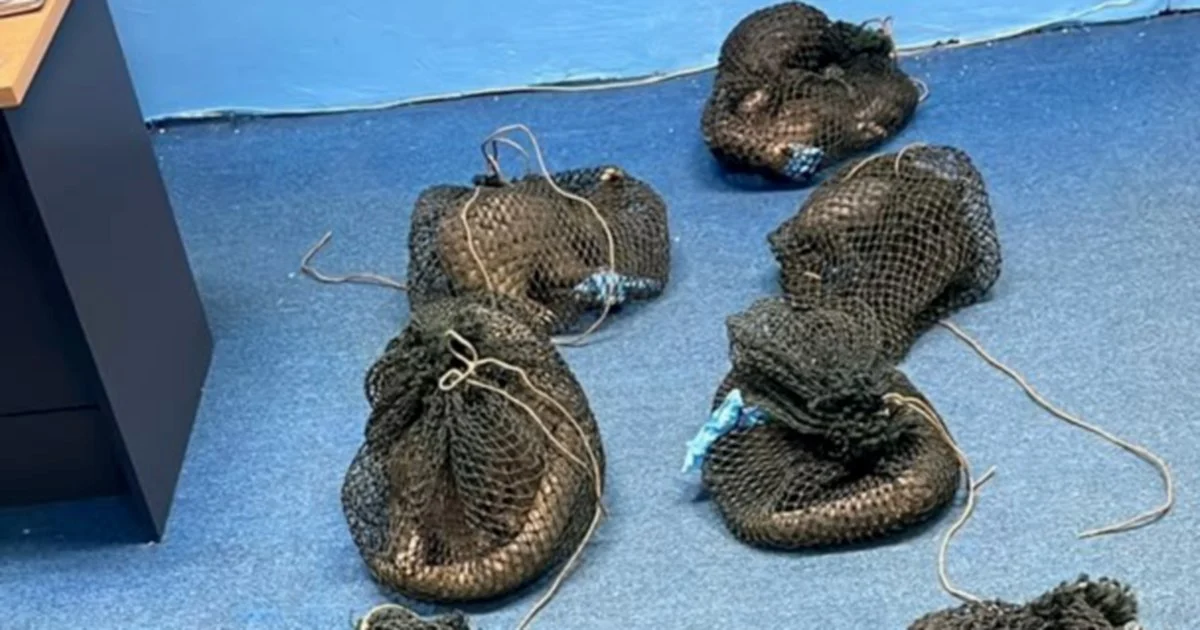
A 27-year-old Filipino national has been taken into custody following a raid at a plantation in Kampung Paris 3, Kinabatangan, where authorities discovered ten living pangolins in his possession. The enforcement operation, which recovered the protected animals along with an elephant tusk, underscores the persistent challenge of wildlife trafficking networks operating across Sabah's porous borders and rural areas.
The arrest represents a notable intervention by authorities tasked with combating the illegal wildlife trade that continues to threaten endangered species across Southeast Asia. Pangolins rank among the world's most trafficked mammals, targeted for their scales—used in traditional medicine across Asia—and their meat. The recovery of ten living specimens suggests a sophisticated operation aimed at either local sale or international smuggling networks that extend beyond Malaysian borders.
The seizure of an elephant tusk alongside the pangolins indicates a multi-species trafficking operation, reflecting the opportunistic nature of wildlife crime syndicates. Ivory remains highly sought after despite international restrictions, particularly in markets across China and Southeast Asia where demand persists despite conservation awareness campaigns. The combination of both commodities suggests the suspect may have been operating as a broker or intermediary for organised trafficking groups rather than acting independently.
Kinabatangan's geography and demographics make it particularly vulnerable to wildlife crime. The district's position near international borders, presence of significant forests, and mixed population including migrant workers create conditions that transnational criminal networks exploit. The plantation setting where the animals were discovered is typical of how smugglers use remote agricultural properties as temporary holding facilities before moving contraband toward ports or border crossings.
The trafficking of pangolins has accelerated dramatically over the past two decades, driven by demand that far exceeds sustainable supply. The scales, composed primarily of keratin, are used in traditional Chinese medicine despite lacking proven medicinal properties. Meanwhile, pangolin meat commands premium prices in certain regional markets. Conservation estimates suggest that trafficking pressure has contributed to alarming population declines, with some species facing local extinction in areas where they were once abundant.
Malaysia has strengthened enforcement efforts against wildlife trafficking under the Wildlife Conservation Act 2010, which carries significant penalties including fines and imprisonment. However, prosecuting international trafficking networks remains challenging due to limited resources, cross-border coordination difficulties, and the involvement of sophisticated criminal organisations that compartmentalise operations to minimise risk. The involvement of foreign nationals in trafficking reflects how international criminal syndicates recruit expendable operatives willing to undertake high-risk roles.
The arrested individual now faces investigation and potential prosecution, though the ultimate outcome will depend on evidence quality and whether authorities can establish links to broader trafficking networks. Officers will likely examine his communications, financial records, and connections to determine whether he was operating independently or on behalf of a larger criminal enterprise. Intelligence gathered from such arrests frequently contributes to understanding trafficking routes and distribution networks that span multiple countries.
The recovery of ten live pangolins alive offers conservation benefits beyond the arrest itself. Authorities and wildlife rehabilitation organisations can work toward eventual repatriation of these animals to protected habitats, though rehabilitation of trafficked pangolins remains challenging given their specialist dietary requirements and stress responses to captivity. The psychological trauma and physical deterioration experienced by trafficked animals often complicates reintroduction efforts.
This enforcement action illustrates the essential work of Sabah's wildlife authorities and their counterparts across Peninsular Malaysia in disrupting trafficking supply chains. However, enforcement alone cannot address the root causes driving wildlife crime. Demand reduction initiatives, livelihood alternatives for communities vulnerable to trafficking recruitment, and international cooperation mechanisms remain critical components of comprehensive anti-trafficking strategies.
The incident also highlights why regional cooperation mechanisms matter significantly. Trafficking networks frequently operate across multiple jurisdictions within Southeast Asia, exploiting gaps between national enforcement systems. Enhanced intelligence sharing, harmonised legal frameworks, and joint operations between Malaysian authorities and counterparts in the Philippines and Indonesia can substantially disrupt trafficking logistics and increase criminal risks.
Looking forward, the arrested suspect's case may reveal intelligence about trafficking routes, markets, and networks that extend beyond Sabah. Law enforcement agencies have indicated their commitment to pursuing additional investigations that may implicate higher-level operatives in these networks. International partners, including INTERPOL and customs authorities, may engage based on evidence suggesting cross-border dimensions to the trafficking operation.