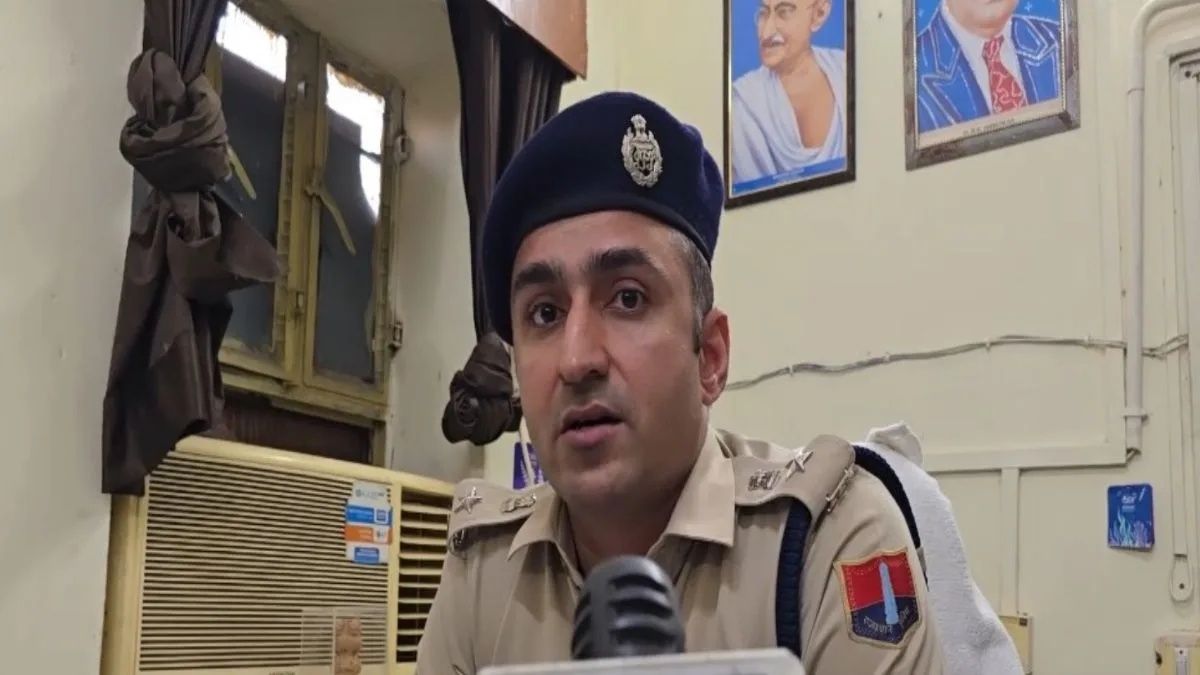
A suspected honour killing has emerged in Rajasthan's Dholpur district, where two young women are believed to have been murdered by family members and thrown into a river near Sagarpada Bridge on the night of June 11. Police have launched a comprehensive investigation into the incident, with the father of the victims and several other relatives identified as suspects in what investigators believe was a crime rooted in the family's rejection of the women's romantic relationships.
The Sadar Police received information implicating Bharat Lodha, a resident of Pharakpur village and father of four children, in connection with the deaths of two of his daughters. According to Superintendent of Police Vikas Sangwan, preliminary investigations strongly suggest that the victims were targeted specifically because of romantic attachments that their family members opposed. This pattern reflects a deeply troubling dimension of honour-based violence that continues to persist in parts of India, where family members take drastic measures to enforce patriarchal control over women's personal choices.
The alleged crime is said to have occurred around 9 to 10 o'clock in the evening on June 11 near Sagarpada Bridge, a location that appears to have been deliberately chosen by those involved in the incident. Police teams descended on the area following a report and began examining the scene, with early inquiries pointing towards active involvement by family members. The strategic selection of this location and the timing of the alleged crime suggest premeditation rather than a spontaneous act of violence, a detail that will likely feature prominently in prosecution arguments.
Investigators are currently working to reconstruct the sequence of events leading up to the alleged murders. Key aspects under examination include how the victims were transported to the bridge location, which family members accompanied them, and what vehicle was used to move them. These investigative details are crucial for establishing the full chain of involvement and determining the precise role played by each suspect in the alleged conspiracy. The questions about transportation and logistics suggest authorities are building a case that demonstrates coordinated family action rather than an isolated incident.
Superintendent Sangwan has been candid about the ongoing nature of the inquiry, emphasizing that while preliminary information points towards a family-perpetrated honour killing, many aspects of the case remain under verification. This measured approach reflects the need to build a comprehensive and legally sound case, particularly given the sensitive nature of honour killings and the social dynamics that often surround them. The police are acutely aware that such cases frequently involve multiple family members operating under complex motivations tied to caste, family reputation, and traditional patriarchal values.
The modus operandi investigation has become a central focus for police teams. Authorities are examining the specific route taken to reach Sagarpada Bridge, the exact timing of when the victims were removed from their homes, the vehicle involved, and the identities of all parties who participated in or facilitated the alleged crime. This granular approach to evidence gathering reflects contemporary investigative standards in India, where establishing a clear chain of causation and participation is essential for prosecution. The systematic nature of these inquiries suggests the police believe the crime was premeditated and involved multiple conspirators.
The honour killing angle, while deeply disturbing, represents a pattern that law enforcement across India has become increasingly familiar with addressing. The rejection of romantic relationships chosen by women, particularly when those relationships cross caste or religious lines, remains a trigger for severe family violence in various regions. In Rajasthan specifically, such crimes have drawn significant judicial and media attention over recent years, leading to enhanced police sensitivity and more aggressive investigation protocols. The fact that authorities have explicitly named honour killing as a working theory indicates the case fits established patterns of such violence.
Family dynamics in honour killing cases present unique investigative challenges. The bonds of kinship, combined with social and economic interdependencies within families, often lead to collective action among multiple family members. Some participants may be active perpetrators, while others play supporting roles through facilitation, transportation, or even pressure on the primary actors. Police must carefully disentangle these relationships to establish individual culpability while building a comprehensive case against all involved parties. The naming of multiple relatives as suspects suggests investigators have already identified differentiated roles within the alleged conspiracy.
The location of the alleged crime is also significant from an investigative perspective. Sagarpada Bridge, situated in an area with presumably limited witnesses, appears to have been selected precisely because of its isolation. This selection suggests advance planning and knowledge of the geography, further supporting the theory of coordinated family action rather than spontaneous violence. Water bodies have historically served as disposal sites in honour killings across South Asia, a grim reality that police investigations must take into account when reconstructing such crimes.
As the investigation progresses, authorities have indicated that legal action will follow based on evidence collected and facts verified. The charges being considered would likely include murder, conspiracy, and potentially offences under India's honour killing-specific legal frameworks. The prosecution will need to establish not only that the victims died but that the deaths resulted from deliberate family action motivated by the victims' relationships. This requires careful evidence handling and witness testimony from individuals willing to speak against family members, a significant hurdle in such cases given social pressures and familial loyalty.
The case carries implications beyond Dholpur, underscoring ongoing challenges in protecting women's autonomy and preventing honour-based violence across northern India. It highlights the vulnerability of young women who make romantic choices independent of family approval and the lethal consequences they may face. Regional policy makers and law enforcement agencies across Rajasthan and neighbouring states are increasingly recognizing the need for specialized training, dedicated investigation units, and robust support systems for potential victims and witnesses in suspected honour killing cases.
As police continue their investigation and evidence collection, this case will likely attract significant public and judicial scrutiny. The outcomes of the inquiry and subsequent prosecution will have broader implications for how Indian courts address honour killing cases and how severely they punish collective family participation in such crimes. For the people of Dholpur and Rajasthan more broadly, the case serves as a stark reminder of the pressures women continue to face regarding personal autonomy and the devastating lengths some families will pursue to enforce traditional control.