A sprawling health fraud operation in Beijing has left more than 100 senior citizens financially devastated after falling victim to an elaborate scheme centred on fake intestinal cleansing treatments laced with soy sauce. The investigation, which led to the arrest of over 30 suspects, exposed how unscrupulous operators systematically exploited vulnerable elderly residents, extracting a staggering 10 million yuan (US$1.5 million) through psychological manipulation and medical deception. The case came to light when the family of a woman in her 60s, identified as Ms Li, discovered she had transferred approximately 700,000 yuan (US$103,000) to the health centre over an extended period, prompting them to alert authorities to what would become one of Beijing's largest senior fraud cases.
The criminal network operated with calculated precision, employing sophisticated psychological tactics to identify and isolate vulnerable targets. Beijing police investigators found that operators deliberately sought out affluent elderly individuals living alone or those experiencing emotional isolation despite having family members nearby. Rather than approaching these seniors through aggressive tactics, staff initially presented themselves as caring professionals who remembered personal details like birthdays and created an illusion of genuine concern—a stark contrast to the isolation many elderly residents felt within their own families. This cultivation of trust proved devastatingly effective, transforming initial casual interactions into long-term financial relationships that drained substantial portions of victims' life savings.
The scheme's entry point was deliberately designed to be innocuous and affordable. Victims like Ms Li were first attracted through seemingly reasonable offers, such as the 38-yuan (US$6) foot massage vouchers that served as bait. Once inside the clinic environment, the fraudsters escalated their tactics by having fake medical experts conduct consultations—often offered as free screening services at senior centres and gathering places where elderly people congregated. These fraudulent practitioners would diagnose non-existent or exaggerated health conditions, claiming that expensive, long-term treatments were essential for the patients' survival and wellbeing.
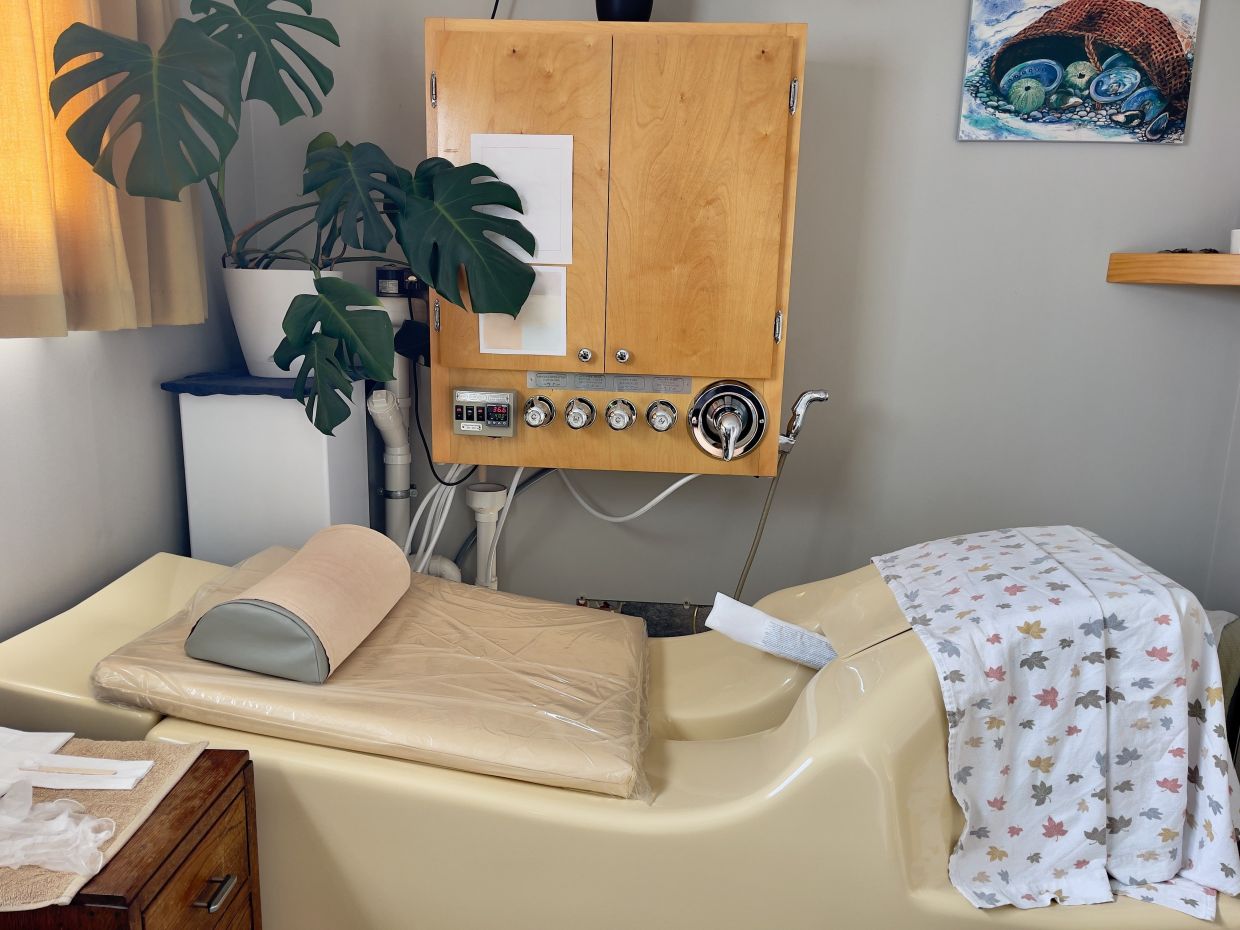
The core deception involved a particularly crude yet effective method of visual manipulation. During intestinal cleansing procedures, clinic staff would add dark soy sauce—a common Chinese cooking ingredient used primarily for colouring—into the cleansing liquid. The resulting dark discoloration was presented to patients as evidence of dangerous toxins supposedly being expelled from their bodies, creating a psychological confirmation bias that validated the fraudsters' diagnoses. This pseudo-scientific manipulation proved remarkably convincing to patients who had no way to verify the actual composition or meaning of the discharge, effectively weaponising their natural trust in medical professionals and their fear of serious illness.
Once the psychological hook was established, operators escalated financial demands relentlessly. Individual treatment sessions cost tens of thousands of yuan, with patients often signing up for multiple sessions across extended periods. The predatory nature of these interactions became evident in the callousness with which staff addressed patients' financial constraints. When Ms Li eventually exhausted her savings and attempted to discontinue treatment, clinic employees did not simply accept her decision. Instead, they employed emotional blackmail, encouraging her to pawn personal valuables such as her golden bracelet while asking rhetorically: "If your illness cannot be treated, what do you need money for?" This statement encapsulates the psychological manipulation at the heart of the operation—fostering desperation about health while simultaneously normalising financial sacrifice.
The scale of the criminal enterprise revealed during the investigation extended far beyond a single operation. Authorities identified over 20 separate establishments masquerading as health centres across multiple districts in Beijing, suggesting a coordinated network rather than isolated bad actors. The recorded turnover from these fake clinics reached over 30 million yuan (US$4.5 million), a figure that Beijing police characterised as abnormally high for legitimate health service providers, indicating systematic and widespread fraud rather than occasional overcharging. In one particularly egregious case, a single victim had been persuaded to spend more than 2 million yuan (US$295,000)—a sum that likely represented decades of accumulated savings for most elderly residents.
The vulnerability of China's elderly population has become increasingly acute as demographic patterns shift dramatically across the country. By the end of 2025, individuals aged 60 and above constituted 323 million people, or 23 per cent of China's total population—a proportion that continues to grow. Within this demographic, roughly 60 per cent are categorised as "empty-nesters," lacking children entirely or having offspring who reside in different cities due to work or migration patterns. This structural separation creates both emotional and practical isolation, leaving seniors without regular family oversight, local social networks, or immediate recourse to trusted advisors when facing health decisions or financial solicitations.
The intersection of demographic vulnerability and commercial exploitation has created what industry observers increasingly recognise as a critical governance gap. Online commentators and watchdog organisations have highlighted that health centres offering free gifts, promotional health screenings, and sympathetic professional attention operate in a regulatory grey zone where oversight remains insufficient. The rapid proliferation of such establishments, combined with the difficulty elderly residents face in distinguishing legitimate healthcare from predatory schemes, has created an environment where fraud can flourish largely unchecked until damages reach catastrophic proportions. The Beijing case underscores that reactive policing—investigating only after victims' families discover irregularities—comes far too late to prevent widespread financial and emotional harm.
The psychological dimensions of this fraud reveal sophisticated understanding of geriatric vulnerability and family dynamics in contemporary China. Operators deliberately targeted the gap between elderly residents' desire for care and their actual access to meaningful family attention. By positioning themselves as attentive professionals who provided time, concern, and personalised attention, fraudsters filled a genuine emotional need that made financial demands feel like acceptable trade-offs. The targeting of isolated individuals specifically, combined with the cultivation of dependency through regular appointments and health anxieties, created psychological conditions where victims became increasingly reluctant to acknowledge they were being exploited. Many victims likely rationalised continued spending as necessary healthcare investment rather than fraud, a cognitive pattern that enabled the scams to persist until external intervention occurred.
The regulatory response to such schemes must extend beyond criminal prosecution of individual operators to address systemic vulnerabilities in the health services industry. China's fragmented approach to health centre licensing and operational oversight has permitted fraudulent enterprises to operate with minimal barriers to entry or sustained accountability. The prevalence of unqualified "experts" conducting medical consultations and diagnostic procedures reflects broader gaps in professional credential verification and consumer protection within the sector. Strengthening regulatory frameworks would require mandatory credential verification, transparent pricing disclosure, third-party audits of treatment methodologies, and accessible complaint mechanisms specifically designed for elderly consumers who may lack digital literacy or family support in navigating formal complaints processes.
For Malaysian and Southeast Asian readers, this case carries significant cautionary implications as the region's own population ages rapidly and similar health service markets expand. The fraud pattern identified in Beijing—targeting affluent seniors through emotional manipulation, fake medical expertise, and crude pseudo-scientific deception—translates readily across cultural contexts wherever elderly populations experience isolation and health anxiety. Malaysia, with its substantial and growing senior population, increasingly sees proliferation of wellness centres, traditional medicine practitioners, and health supplement vendors operating with minimal oversight. The Beijing investigation suggests that authorities across the region should proactively examine similar establishments before fraud reaches epidemic proportions, strengthening credential requirements for health practitioners, implementing transparent pricing standards, and creating family-friendly reporting mechanisms that make it easy for concerned relatives to investigate suspicious health centre relationships.