Prime Minister Anwar Ibrahim will formally unveil the comprehensive list of 56 candidates fielded by Pakatan Harapan for the 16th Johor State Election at a public ceremony scheduled for 8 pm tonight at Bukit Gambir Extreme Park field. The event marks the final step in the opposition coalition's candidate selection process and represents a pivotal moment as Johor heads toward one of the year's significant electoral contests.
The announcement comes as Pakatan Harapan seeks to consolidate its political presence in Johor, a state where the coalition has been working to rebuild its organisational strength following the 2023 general election. The three-component alliance—comprising the Democratic Action Party (DAP), Amanah, and the People's Justice Party (PKR)—has been methodically rolling out candidates across different constituencies over recent weeks, and tonight's event will complete that process by revealing all remaining names on the slate.
Party luminaries from across the coalition are expected to grace the occasion, signalling the unity and political weight Pakatan Harapan is attempting to project heading into the campaign period. DAP secretary-general Anthony Loke and Amanah president Datuk Seri Mohamad Sabu are among the senior figures scheduled to attend, alongside members of the coalition's grassroots machinery and party supporters. The high-profile turnout underscores how seriously the coalition regards this Johor contest and its implications for the broader political landscape in Malaysia's most southern state.
To date, the coalition has already introduced a roster of contenders across various parliamentary constituencies. The DAP faction has fielded five nominees: lawyer Chu Poh Yee is standing in Mengkibol, while Nor Zulaila Abd Ghani—a private secretary to the Deputy Finance Minister—is competing in Tiram. Johor DAP Socialist Youth chief Lee Wern Yiing is the designated candidate for Johor Jaya, former incumbent Wong Bor Yang is returning for Senai, and special assistant to Kulai Member of Parliament Mohamad Shafwan Ani is running in Bukit Permai. From the PKR wing, Arthur Chiong Sen Sern has been nominated to defend his seat in Bukit Batu.
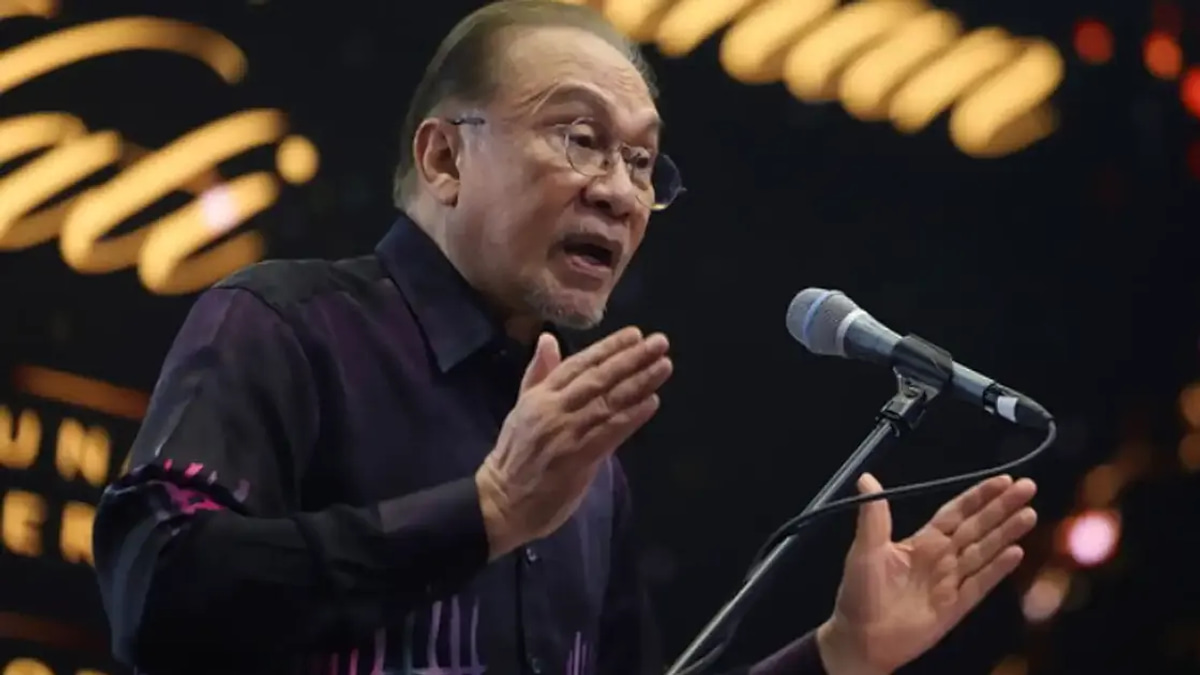
Anwar's decision to personally lead the announcement ceremony carries symbolic weight beyond mere procedural significance. Through a social media statement released yesterday, the Premier argued that Johor warrants governance centred on integrity, trustworthiness, and dedicated service to advance both economic development and public welfare. This messaging strategy positions Pakatan Harapan as offering an alternative vision to current state administration, appealing to voters on grounds of ethical leadership and developmental competence rather than partisan identity alone.
The electoral timeline established by the Election Commission imposes a structured cadence on the campaign period. Nomination day is scheduled for June 27, providing candidates with a formal deadline to lodge their candidacies and allowing the electoral machinery to process registrations. Early voting has been set for July 7, accommodating voters unable to cast ballots on the main polling day. The principal election will occur on July 11, determining which party or coalition will hold sway in the Johor State Assembly for the next electoral term.
For Malaysian political observers, the Johor election represents a significant test of Pakatan Harapan's capacity to mobilise support in a traditionally complex electoral environment. Johor has historically been a competitive battleground where different political forces vie for dominance, and the coalition's performance here could offer important signals about broader voter sentiment. The comprehensiveness of tonight's candidate announcement—presenting all 56 contenders in a single coordinated event—suggests a coalition intent on projecting organisational cohesion and readiness to compete intensively across the state.
The inclusion of candidates with varied professional and political backgrounds reflects an attempt by Pakatan Harapan to appeal across multiple demographic segments. The presence of legal professionals, party veterans, young grassroots activists, and government officials among the nominees indicates a strategy of balancing experience with fresh perspectives and establishing representation that resonates with diverse electoral constituencies. This heterogeneous composition may help the coalition articulate its relevance to Johor voters across different socioeconomic strata and geographic areas.
For the broader Southeast Asian region, Malaysian state-level elections like this Johor contest carry implications for understanding how opposition coalitions function in competitive democracies. The coordination required among three distinct parties to agree on candidate distribution, negotiate seat allocations, and present a unified front demonstrates both the possibilities and tensions inherent in multi-party alliance politics. How effectively Pakatan Harapan translates tonight's candidate announcement into effective ground campaigning will determine whether the coalition can translate its formal preparations into electoral gains.
The coming weeks will test whether the coalition's messaging about integrity-based governance and developmental competence gains traction with Johor voters. The state faces its own particular challenges—from urban infrastructure needs in Johor Bahru to economic diversification pressures across the state—and the election will partly turn on which political force voters judge as better positioned to address these priorities. Tonight's ceremony initiates the public phase of that electoral contest, setting the stage for intensive campaigning before July 11's decisive vote.
%22%2F%3E%3C%2Fpattern%3E%3C%2Fdefs%3E%3Crect%20width%3D%22100%25%22%20height%3D%22100%25%22%20fill%3D%22url(%23ph4tyccg)%22%2F%3E%3Crect%20width%3D%22100%25%22%20height%3D%22100%25%22%20fill%3D%22url(%23ph4tyccp)%22%2F%3E%3Ctext%20x%3D%2250%25%22%20y%3D%2250%25%22%20text-anchor%3D%22middle%22%20dominant-baseline%3D%22central%22%20fill%3D%22rgba(255%2C255%2C255%2C0.95)%22%20font-family%3D%22Georgia%2C%20'Times%20New%20Roman'%2C%20serif%22%20font-weight%3D%22700%22%20font-size%3D%22170%22%20letter-spacing%3D%22-0.02em%22%3EFracture%3C%2Ftext%3E%3C%2Fsvg%3E)