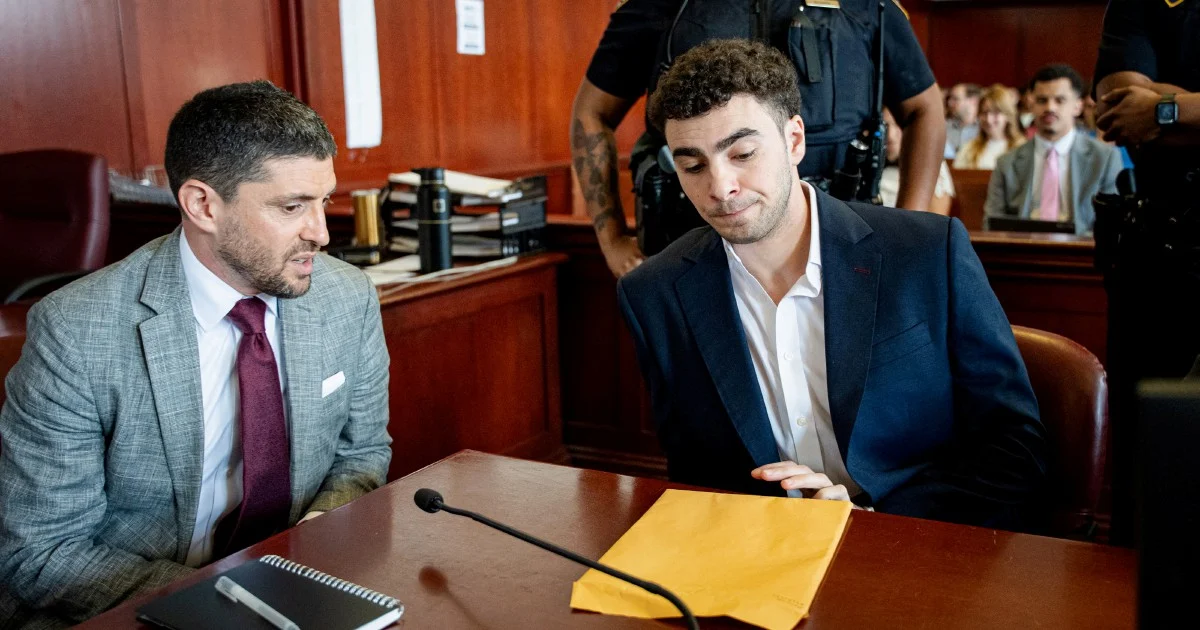
Luigi Mangione, the man facing charges for the shooting death of health insurance executive Brian Thompson on a Manhattan sidewalk in December, has decided to set aside plans to argue at trial that he was experiencing a severe mental health episode when the alleged killing occurred. A court filing submitted on Friday revealed the strategic shift, marking a notable departure from the defence approach initially signalled by his legal team.
The decision to forgo the introduction of mental health evidence represents a critical juncture in a case that has captured national attention and reignited intense public debate over the role of private health insurers in America's healthcare system. Thompson, the chief executive officer of UnitedHealthcare, was shot multiple times outside a Manhattan hotel on 4 December, triggering a manhunt that culminated in Mangione's arrest weeks later in Pennsylvania.
The withdrawal of this particular defence line does not eliminate the possibility that mental health factors may be addressed later in proceedings, as Mangione's lawyers reserved the right to reintroduce such evidence should circumstances warrant. This tactical flexibility suggests the defence team is evaluating multiple pathways through the complex legal proceedings ahead, potentially keeping options open depending on how the prosecution's case unfolds and what evidence emerges through discovery.
Mental health defences in high-profile criminal cases present considerable strategic complexity. While evidence of psychological distress can sometimes influence sentencing or provide context for a defendant's actions, introducing such evidence also invites intensive scrutiny of a defendant's mental state and may inadvertently strengthen the prosecution's narrative depending on how it is framed and presented. The decision to postpone this approach reflects careful calibration of risk and benefit.
Mangione's case has become emblematic of broader societal tensions surrounding healthcare access and corporate accountability in the United States. The accused shooter has attracted a peculiar form of public sympathy from certain segments, with some individuals viewing the case through the lens of frustration with insurance industry practices rather than as a straightforward criminal matter. This complicating factor may have influenced how his legal team strategizes, particularly regarding narratives that could be weaponised by either side.
The Manhattan District Attorney's office has built its case on evidence allegedly linking Mangione to the killing, including digital forensics and witness accounts. Prosecutors are pursuing murder charges, among others, against the accused. The specifics of evidence gathered during the investigation remain partially sealed, with full disclosure following standard discovery procedures in New York criminal litigation.
For Malaysian and Southeast Asian observers, this case offers instructive parallels regarding healthcare governance and corporate oversight. While health insurance systems across the region operate differently than in the United States, questions about corporate accountability, executive compensation disparities, and public sentiment toward large institutional actors resonate across cultural and political boundaries. The case illustrates how criminal proceedings can become flashpoints for broader social grievances.
The prosecution's strategy will likely centre on establishing motive, means, and opportunity through methodical presentation of forensic and circumstantial evidence. Without a mental health defence framework in place initially, the prosecution may find certain aspects of their case become more straightforward to present, though this calculation can shift substantially once the defence's full counter-narrative emerges.
Mangione's legal representation faces the formidable challenge of mounting an effective defence in an intensely publicised case where public opinion appears fragmented. The decision regarding mental health evidence will likely be reconsidered as trial preparation advances and strategic options become clearer. Defence attorneys must balance the need to humanise their client against the risk that psychological evidence, if poorly presented, could reinforce rather than mitigate culpability in jurors' minds.
Criminal procedure in New York permits substantial flexibility in defence strategy, allowing attorneys to adjust approaches as litigation progresses. The filing indicates Mangione's lawyers are maintaining strategic optionality while evaluating how best to proceed. This measured approach suggests preparation for an extended legal battle rather than an expectation of rapid resolution.
The broader implications extend beyond this single case. High-profile prosecutions involving violent acts against corporate figures invariably generate public discourse about institutional power, personal grievance, and the justice system's role in addressing societal tensions. How courts handle such cases sets precedent not merely for law but for public confidence in legal institutions themselves.
As the case progresses through New York courts, additional filings will likely reveal further refinements to the defence strategy. The temporary withdrawal of mental health evidence does not diminish its potential relevance; rather, it reflects the complex calculus that shapes modern criminal litigation where narrative, evidence, and public perception intersect in consequential ways. The trial itself will ultimately determine which strategic choices by either side proved most effective.