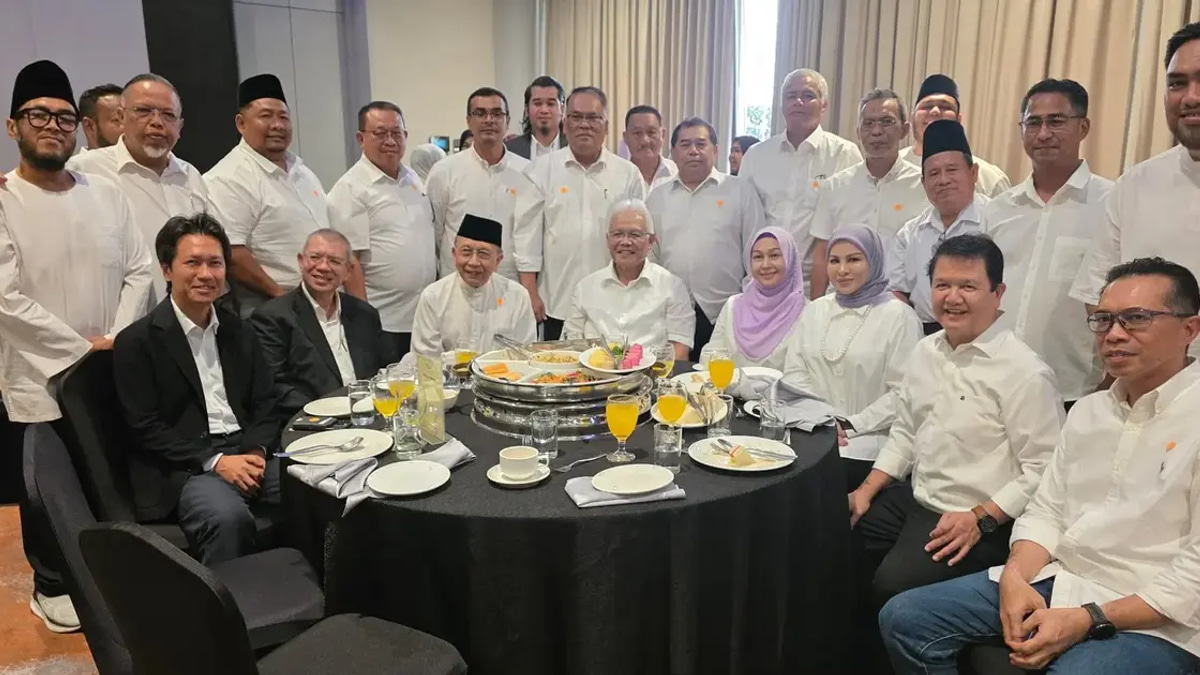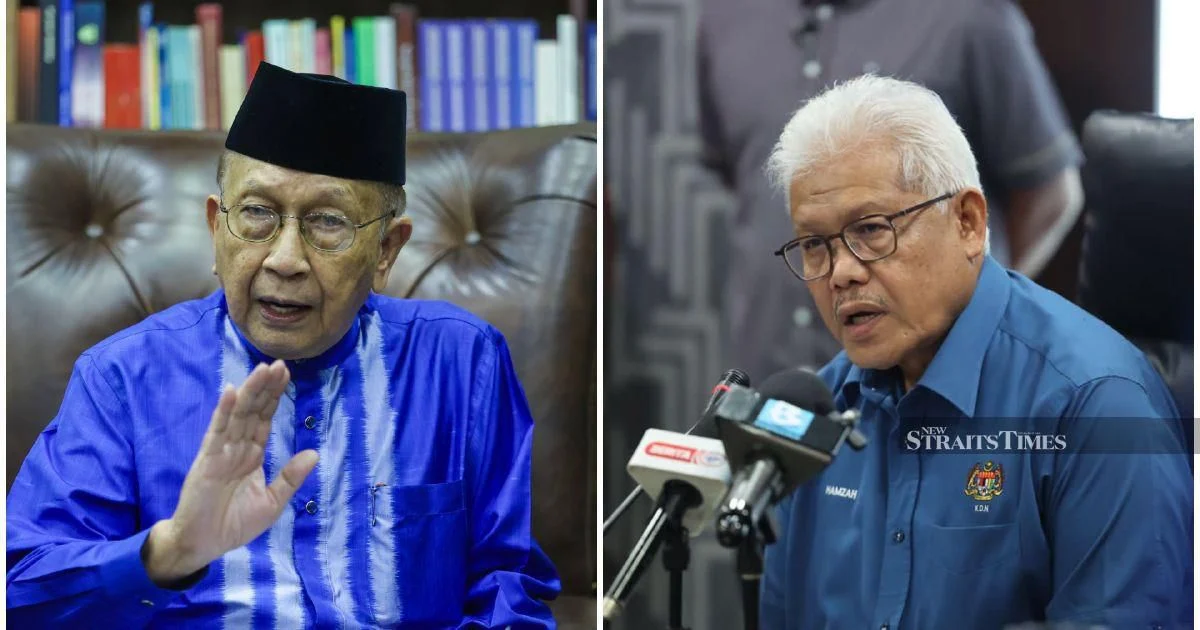
Parti Wawasan Negara has formally unveiled its comprehensive central leadership structure, assembling a coalition of experienced figures drawn from Malaysia's political establishment. The announcement marks a significant organizational milestone for the party, bringing together individuals with substantial track records in ministerial positions, parliamentary representation and professional backgrounds.
The appointment represents Wawasan's strategy to leverage institutional knowledge and political credibility as it seeks to establish itself within Malaysia's competitive party landscape. By drawing on figures who have previously held senior government positions, the party appears to be positioning itself as an alternative capable of competent governance. This recruitment of seasoned personalities reflects a deliberate approach to building organizational legitimacy at a time when Malaysian voters increasingly scrutinize new or repositioned political entities for evidence of serious institutional capacity.
The inclusion of former ministers within the leadership structure provides the party with individuals who understand the machinery of government and have navigated complex policy implementation. Such experience becomes particularly valuable for a party attempting to differentiate itself in a crowded political environment where voters seek evidence of competence and strategic vision. Former ministers bring not only administrative expertise but also established networks within the civil service and private sector, resources that newly formed parties typically struggle to accumulate quickly.
Parliamentary representation within the leadership demonstrates that Wawasan has attracted sitting members of the Dewan Rakyat to its cause. This signals actual electoral credibility and existing constituency connections, rather than purely theoretical organizational appeal. When incumbent parliamentarians join a new party's leadership, it typically indicates confidence in the party's direction and viability, and such moves often foreshadow broader parliamentary realignments that merit close observation by political analysts.
The incorporation of professionals beyond traditional politicians into the leadership hierarchy suggests that Wawasan is attempting to build a broader-based organization that transcends the conventional politician-centric model. This inclusion of business leaders, academics, or policy experts could appeal to voters fatigued by career politics and seeking what they perceive as technocratic or merit-based approaches to governance. However, the effectiveness of such mixed leadership models depends heavily on whether professional appointees exercise genuine influence or function primarily as window dressing to enhance the party's image.
For Malaysian political observers, Wawasan's leadership announcement deserves attention within the broader context of ongoing realignments in national politics. The aggregation of experienced figures into a single organizational structure often presages attempts to consolidate support and present a unified alternative to existing coalitions. The timing and composition of such moves frequently signal strategic calculations about electoral opportunity windows and shifts in voter sentiment that political parties believe they can exploit.
The formation of this particular leadership cohort raises questions about the party's intended policy direction and target constituency. A leadership dominated by figures with previous experience in particular political coalitions or ideological camps may inherit expectations and baggage from those earlier affiliations. Malaysian voters scrutinizing the new structure may well ask whether Wawasan represents a genuinely fresh political proposition or primarily a regrouping of familiar figures seeking new platforms.
From a Southeast Asian perspective, the emergence of reorganized or new political parties in major regional democracies often reflects deeper shifts in voter preferences, generational transitions, or responses to governance challenges. Malaysia's experience with such party formations contributes to broader regional patterns of political flux visible across countries like Thailand, Indonesia and the Philippines, where institutional stability continues to be tested by changing electoral coalitions and institutional experimentation.
The practical success of Wawasan's leadership framework will ultimately depend on whether these appointed figures can work cohesively toward shared objectives despite potentially divergent personal ambitions and prior political allegiances. Leadership structures that appear impressive on paper sometimes struggle in practice when constituent parts pull in competing directions or when the party fails to translate organizational credibility into electoral performance. Coming months will reveal whether this assembled team can develop the internal cohesion necessary to mount an effective political challenge.
Wawasan's leadership announcement also invites consideration of what governance models and policy emphases the party intends to champion. The specific portfolios assigned to various leaders and the ideological positioning they collectively articulate will provide clearer signals about where the party seeks to differentiate itself from existing alternatives. Malaysian voters considering support for any new political entity typically demand clarity about substantive policy commitments rather than accepting organizational credentials alone as sufficient reason for electoral backing.
%22%2F%3E%3C%2Fpattern%3E%3C%2Fdefs%3E%3Crect%20width%3D%22100%25%22%20height%3D%22100%25%22%20fill%3D%22url(%23ph214srg)%22%2F%3E%3Crect%20width%3D%22100%25%22%20height%3D%22100%25%22%20fill%3D%22url(%23ph214srp)%22%2F%3E%3Ctext%20x%3D%2250%25%22%20y%3D%2250%25%22%20text-anchor%3D%22middle%22%20dominant-baseline%3D%22central%22%20fill%3D%22rgba(255%2C255%2C255%2C0.95)%22%20font-family%3D%22Georgia%2C%20'Times%20New%20Roman'%2C%20serif%22%20font-weight%3D%22700%22%20font-size%3D%22272%22%20letter-spacing%3D%22-0.02em%22%3EHeavy%3C%2Ftext%3E%3C%2Fsvg%3E)