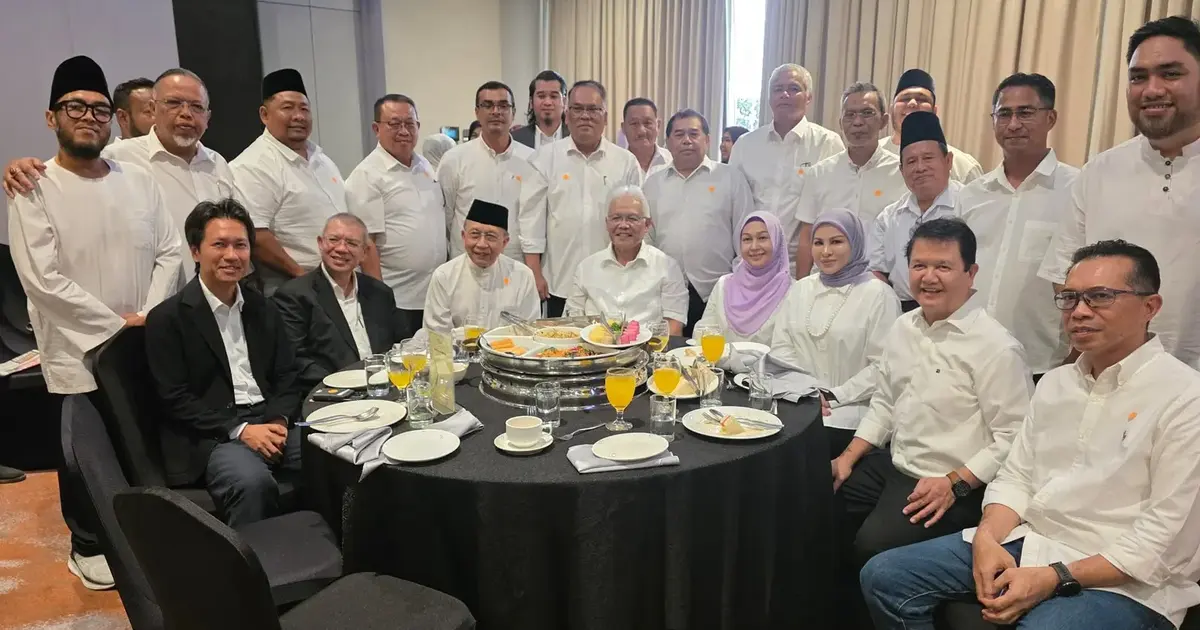
The political party Wawasan has undergone a substantial leadership transition, with Hamzah assuming the presidency in a move that signals fresh direction for the organization. This appointment marks a notable development in Malaysian political circles, where leadership changes often carry broader implications for coalition dynamics and electoral positioning ahead of potential national polls.
The restructuring extends beyond the presidential appointment, with seasoned political operator Rais Yatim elevated to the position of chairman. Yatim brings decades of parliamentary experience to the role, having previously served in ministerial capacities across multiple administrations. His appointment suggests Wawasan is positioning itself to leverage established political networks and institutional knowledge as it navigates an increasingly competitive electoral landscape.
Saifuddin Abdullah, the sitting member of parliament for Indera Mahkota, has been designated as secretary-general in the reorganization. Abdullah's parliamentary credentials and constituency representation provide the party with direct grassroots connections and legislative experience. The concentration of roles among figures with active parliamentary representation underscores Wawasan's strategy to maintain momentum in both national and state-level politics.
These appointments reflect broader patterns within Malaysian politics where regional parties and newer political entities frequently restructure their leadership hierarchies to enhance organizational capacity. The selection of individuals with established track records across government and legislative bodies suggests confidence in building institutional frameworks capable of mounting competitive electoral campaigns. For Malaysian voters and political analysts, such moves often precede positioning for coalition partnerships or independent electoral bids.
The timing of this leadership shuffle carries significance within Malaysia's evolving political ecosystem. With the previous general election having produced a complex parliamentary landscape requiring coalition governance, political parties continue adjusting their structures and personnel to optimize their influence and relevance. Wawasan's decision to bring together Hamzah, Rais Yatim, and Saifuddin Abdullah indicates strategic thinking about the party's role in future political arrangements.
Rais Yatim's appointment as chairman particularly warrants attention, given his extensive background in Malaysian governance. Having held positions across different political configurations and administrations, his presence in a formal leadership capacity lends institutional weight and experience to Wawasan's operations. His ability to navigate complex political relationships and policy discussions could prove invaluable as the party seeks to establish itself as a consequential player in Malaysian politics.
The designation of Saifuddin Abdullah as secretary-general places focus on the operational and administrative dimensions of party management. As an active parliamentarian representing Indera Mahkota, Abdullah combines legislative responsibilities with party administration, a dual role that is increasingly common in Malaysian politics. This arrangement enables direct communication between parliamentary activity and party organizational priorities, potentially streamlining decision-making processes.
For regional political observers, Wawasan's leadership moves merit monitoring as indicators of how Malaysian political parties are adapting to contemporary challenges. The party's approach to talent deployment and institutional organization may influence its electoral performance and coalition positioning. The depth of political experience represented in these appointments suggests that Wawasan intends to compete seriously in upcoming electoral contests and parliamentary deliberations.
The broader context of these appointments extends to considerations about political fragmentation and consolidation in Malaysia. With numerous parties competing across federal and state levels, the internal strengthening of any single organization through strategic leadership appointments has cascading effects on coalition mathematics and electoral calculations. Wawasan's moves contribute to the ongoing realignment of Malaysian political forces.
As Malaysia approaches potential electoral cycles, the significance of internal party restructuring becomes magnified. Leadership appointments often serve as public signals about organizational priorities, strategic direction, and confidence in future electoral viability. The composition of Wawasan's new leadership team—combining Hamzah's elevation, Rais Yatim's experience, and Saifuddin Abdullah's parliamentary presence—projects an image of a party taking deliberate steps toward greater institutional maturity and political influence.
These developments will likely influence discussions within Malaysian political circles about party viability, coalition potential, and electoral strategies. Other parties and stakeholders will assess Wawasan's capacity to deliver on the promise of these leadership changes through concrete electoral and legislative performance. The coming months will reveal whether this restructuring translates into enhanced political standing or represents a routine organizational adjustment within Malaysia's dynamic political environment.
%22%2F%3E%3C%2Fpattern%3E%3C%2Fdefs%3E%3Crect%20width%3D%22100%25%22%20height%3D%22100%25%22%20fill%3D%22url(%23ph214srg)%22%2F%3E%3Crect%20width%3D%22100%25%22%20height%3D%22100%25%22%20fill%3D%22url(%23ph214srp)%22%2F%3E%3Ctext%20x%3D%2250%25%22%20y%3D%2250%25%22%20text-anchor%3D%22middle%22%20dominant-baseline%3D%22central%22%20fill%3D%22rgba(255%2C255%2C255%2C0.95)%22%20font-family%3D%22Georgia%2C%20'Times%20New%20Roman'%2C%20serif%22%20font-weight%3D%22700%22%20font-size%3D%22272%22%20letter-spacing%3D%22-0.02em%22%3EHeavy%3C%2Ftext%3E%3C%2Fsvg%3E)
%22%2F%3E%3C%2Fpattern%3E%3C%2Fdefs%3E%3Crect%20width%3D%22100%25%22%20height%3D%22100%25%22%20fill%3D%22url(%23phytr8g)%22%2F%3E%3Crect%20width%3D%22100%25%22%20height%3D%22100%25%22%20fill%3D%22url(%23phytr8p)%22%2F%3E%3Ctext%20x%3D%2250%25%22%20y%3D%2250%25%22%20text-anchor%3D%22middle%22%20dominant-baseline%3D%22central%22%20fill%3D%22rgba(255%2C255%2C255%2C0.95)%22%20font-family%3D%22Georgia%2C%20'Times%20New%20Roman'%2C%20serif%22%20font-weight%3D%22700%22%20font-size%3D%22151%22%20letter-spacing%3D%22-0.02em%22%3EMalaysian%3C%2Ftext%3E%3C%2Fsvg%3E)