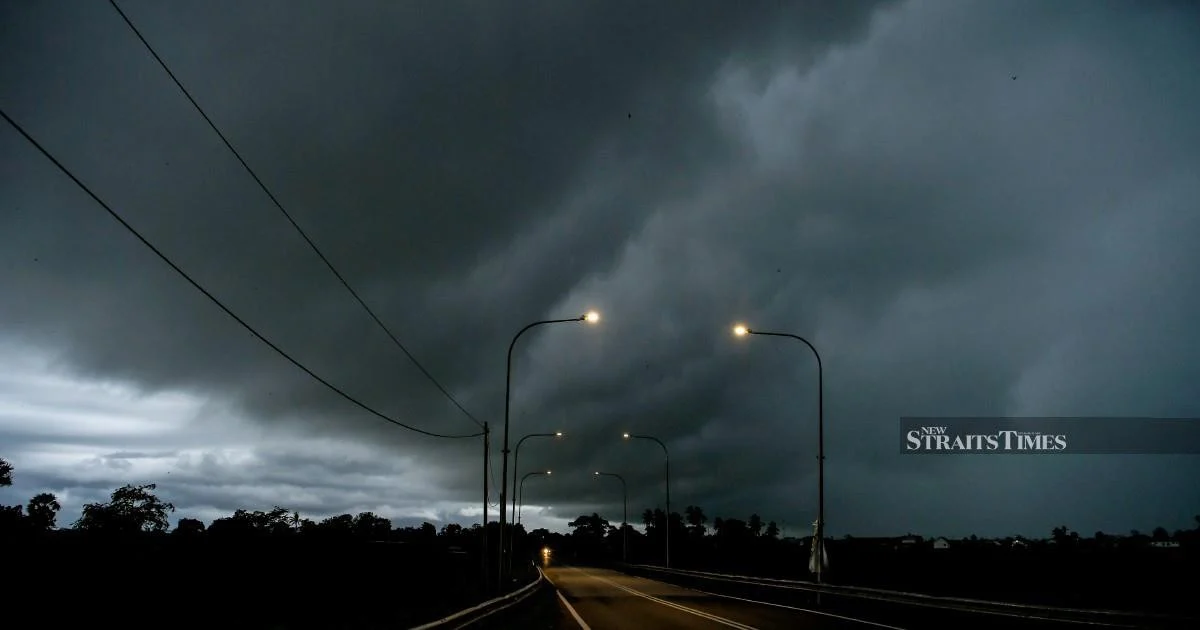
The Malaysian Meteorological Department has activated a nationwide severe weather advisory covering two federal territories and a significant portion of the peninsula, alerting residents to prepare for dangerous atmospheric conditions until 9am today. The alert encompasses Putrajaya and Labuan alongside ten additional states, creating an extensive zone of concern that requires public vigilance and preparedness measures across affected regions.
Thunderstorms pose particular hazards during the warning period, as they bring concentrated precipitation, electrical discharge risks, and rapidly changing wind patterns that can imperil both outdoor activities and infrastructure. The department's issuance of simultaneous warnings across multiple jurisdictions suggests a cohesive weather system moving through Malaysian airspace, rather than isolated convective cells. Such widespread alerts typically indicate a structured atmospheric disturbance capable of producing significant impacts across broad geographic areas.
Strong winds accompanying the thunderstorm activity represent a secondary concern for communities and authorities. Wind gusts during severe thunderstorms can exceed 60 kilometres per hour, posing risks to unsecured structures, vegetation, and outdoor installations. Residents in high-rise buildings and exposed locations should exercise particular caution, as wind-related incidents during storms often result in property damage and occasional personal injury. Trees may be uprooted or lose branches, potentially creating hazards along roadways and in public spaces.
Heavy rainfall expectations compound the severe weather scenario. Concentrated downpours can overwhelm drainage systems, particularly in urban areas with extensive impervious surfaces. Flash flooding becomes a realistic concern in low-lying districts, along riverbeds, and in communities with inadequate stormwater management. The combination of thunderstorms, powerful winds, and intense precipitation creates a compound meteorological event requiring heightened vigilance from both residents and emergency management agencies.
The timing of this alert through the early morning hours suggests commuters and early risers should anticipate challenging transportation conditions. Reduced visibility, wet road surfaces, and wind effects on vehicles may necessitate slower travel speeds and increased stopping distances. Authorities typically recommend delaying non-essential travel during such warnings, particularly for vulnerable road users including motorcyclists and heavy vehicle operators.
The Meteorological Department's decision to specify a 9am termination point indicates meteorologists expect the severe weather system to weaken or move away from affected regions during mid-morning hours. This temporal precision reflects advances in weather prediction technology and real-time atmospheric monitoring. However, such forecasts remain subject to variable atmospheric conditions, and the department may extend or modify warnings based on evolving radar data and satellite observations.
For Malaysian residents, such weather alerts have become increasingly familiar as climate patterns show greater variability and intensity. The region's tropical location predisposes it to convective weather systems, particularly during monsoon transitions and inter-monsoon periods. Understanding alert mechanisms and responding appropriately—securing loose items, avoiding unnecessary outdoor exposure, and staying informed through official channels—represents essential modern preparedness.
Airports and maritime operations typically activate enhanced protocols during thunderstorm warnings. Flight delays become probable as aircraft avoid active convective zones, while seaports may restrict vessel movements or loading operations. Such disruptions, though temporary, can create logistical ripple effects across supply chains and travel itineraries. Aviation and maritime operators maintain direct communication with the Meteorological Department to coordinate real-time adjustments.
Schools and public institutions in affected areas often modify daily schedules or implement work-from-home arrangements when severe weather warnings are active. While most thunderstorms pass relatively quickly, the concentrated nature of their impacts justifies precautionary measures. Educational and workplace continuity teams rely on meteorological advisories to make informed decisions about operational adjustments.
The affected states and federal territories benefit from the Meteorological Department's proactive communication approach. By issuing timely warnings with specific temporal parameters, the department enables households, businesses, and government agencies to implement preventive measures before severe conditions materialise. This early notification system represents substantial progress in disaster risk reduction within Malaysia's emergency management framework.
Residents should remain vigilant throughout the warning period, monitoring official meteorological updates and avoiding unnecessary outdoor activities. Securing property elements vulnerable to wind damage, ensuring drainage systems function effectively, and maintaining emergency communication capabilities represent practical preparation steps. Compliance with official guidance and advisory recommendations significantly reduces personal and property risks during severe weather events.
As climate patterns continue evolving globally, Malaysia's meteorological services maintain expanding capabilities for detecting, predicting, and communicating severe weather threats. The department's capacity to issue precise geographic and temporal warnings demonstrates institutional maturity in weather science. Residents who understand and respond appropriately to such alerts contribute substantially to community-wide resilience during challenging atmospheric conditions.

%22%2F%3E%3C%2Fpattern%3E%3C%2Fdefs%3E%3Crect%20width%3D%22100%25%22%20height%3D%22100%25%22%20fill%3D%22url(%23ph4duqsg)%22%2F%3E%3Crect%20width%3D%22100%25%22%20height%3D%22100%25%22%20fill%3D%22url(%23ph4duqsp)%22%2F%3E%3Ctext%20x%3D%2250%25%22%20y%3D%2250%25%22%20text-anchor%3D%22middle%22%20dominant-baseline%3D%22central%22%20fill%3D%22rgba(255%2C255%2C255%2C0.95)%22%20font-family%3D%22Georgia%2C%20'Times%20New%20Roman'%2C%20serif%22%20font-weight%3D%22700%22%20font-size%3D%22151%22%20letter-spacing%3D%22-0.02em%22%3ESoutheast%3C%2Ftext%3E%3C%2Fsvg%3E)
%22%2F%3E%3C%2Fpattern%3E%3C%2Fdefs%3E%3Crect%20width%3D%22100%25%22%20height%3D%22100%25%22%20fill%3D%22url(%23pheczjg)%22%2F%3E%3Crect%20width%3D%22100%25%22%20height%3D%22100%25%22%20fill%3D%22url(%23pheczjp)%22%2F%3E%3Ctext%20x%3D%2250%25%22%20y%3D%2250%25%22%20text-anchor%3D%22middle%22%20dominant-baseline%3D%22central%22%20fill%3D%22rgba(255%2C255%2C255%2C0.95)%22%20font-family%3D%22Georgia%2C%20'Times%20New%20Roman'%2C%20serif%22%20font-weight%3D%22700%22%20font-size%3D%22136%22%20letter-spacing%3D%22-0.02em%22%3EBangladesh%3C%2Ftext%3E%3C%2Fsvg%3E)