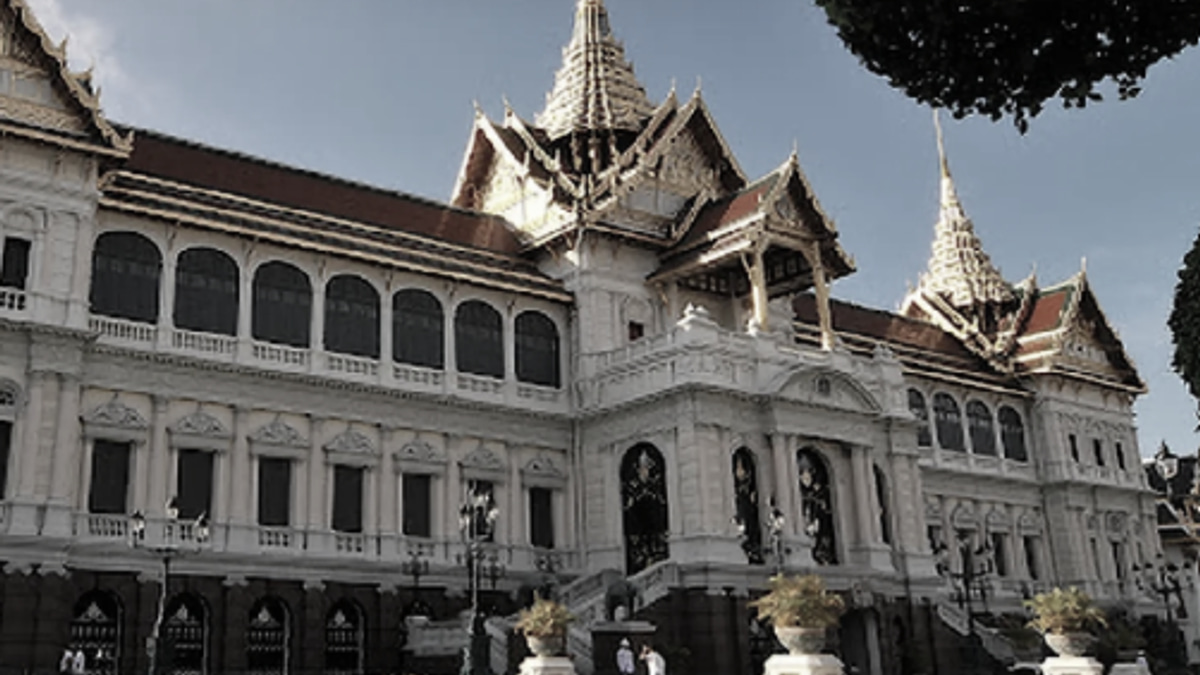
Hannah Yeoh, Minister in the Prime Minister's Department (Federal Territories), has underscored the critical importance of maintaining robust cleanliness and safety protocols throughout Putrajaya, particularly as the nation's administrative hub continues to absorb rising visitor footfall. Speaking in Kuala Lumpur, Yeoh made clear that these operational standards cannot be compromised under any circumstance, signalling the government's intention to embed discipline and accountability across all departments overseeing the federal territory.
The statement arrives amid growing recognition that Putrajaya's role extends beyond administrative functions into a broader remit as a showcase destination and symbol of Malaysian governance. As the purpose-built federal capital attracts domestic tourists, international delegations, and day-trippers seeking leisure activities and cultural experiences, the infrastructure and public spaces have become touchstones for how Malaysia projects itself regionally and globally. Maintaining exemplary standards therefore carries weight that transcends mere housekeeping—it reinforces confidence in institutional capacity and government competence.
Yeoh's emphasis on "without excuses" signals a tightening of accountability mechanisms and a rejection of complacency within relevant agencies. This language suggests previous operational gaps or inconsistent adherence to established protocols may have prompted the ministerial intervention. By framing the matter in absolute terms, the minister is establishing a clear performance baseline and signalling consequences for underperformance, a management approach increasingly common across federal administrations seeking to restore public trust through visible governance improvements.
Putrajaya's infrastructure presents particular challenges for maintaining consistent standards. The sprawling nature of the federal territory, with its extensive parks, waterfront precincts, government complexes, and public amenities, requires coordinated effort across multiple stakeholders—municipal authorities, heritage maintenance crews, security personnel, and commercial operators. Centralised ministerial oversight, coupled with regular inspections and performance metrics, becomes essential to preventing localised lapses that could undermine the overall impression of order and professionalism.
The minister's intervention also reflects broader Southeast Asian trends whereby governments increasingly recognise that visitor satisfaction and perceived cleanliness standards directly influence tourism receipts and international reputation. Regional competitors—from Singapore's meticulously maintained public spaces to Thailand's aggressive beautification campaigns—have demonstrated how institutional attention to environmental presentation translates into competitive advantage. Yeoh's statement suggests Malaysia intends to match these benchmarks rather than accept lower regional positioning.
Safety standards carry additional weight within the context of an administrative capital hosting government officials, sensitive installations, and diverse public gatherings. Recent global trends toward heightened security concerns, coupled with Malaysia's own experiences managing large-scale events and public assemblies, have elevated the priority assigned to threat prevention and emergency preparedness. Yeoh's dual emphasis on cleanliness and safety suggests an integrated approach recognising that public confidence requires both visible orderliness and credible protective measures.
From a Malaysian perspective, Putrajaya serves as a testing ground for policy implementation and administrative best practices. The territory's governance structures, often featuring newer frameworks and greater ministerial oversight than state capitals, allow federal authorities to pilot approaches that might subsequently influence broader governance standards across the federation. This experimental function makes maintaining Putrajaya's standards particularly important—success stories strengthen arguments for expanded implementation, while failures invite criticism of federal capacity.
The visitor economy dimension merits particular attention for Southeast Asian policymakers. As countries across the region pivot toward tourism revenue diversification following pandemic disruptions, the quality of infrastructure and public space management has become a primary competitive variable. Putrajaya's positioning as a heritage and administrative tourism destination differentiates it from beach-focused or cultural-heritage competitors; maintaining distinctive appeal requires consistency in execution across amenities and safety protocols that visitors subjectively assess during their stay.
Implementation of Yeoh's directive will likely involve coordination between the Federal Territories Ministry, local municipal authorities, police and security agencies, and private concessionaires operating commercial spaces within Putrajaya. Establishing performance metrics, conducting regular audits, and implementing corrective measures promptly become operational necessities. The ministerial tone suggests these mechanisms will receive elevated scrutiny and resource allocation, with accountability flowing clearly upward to political leadership.
Broader implications extend to Malaysian federalism and centre-state relations. As federal territories under direct ministerial authority, Putrajaya and Kuala Lumpur offer opportunities for demonstrating governance quality that cannot be delegated or excused through administrative complexity. Success reinforces arguments for centralised governance models, while sustained deficiencies invite calls for alternative arrangements—raising political stakes for implementation and creating incentives for performance across relevant agencies.