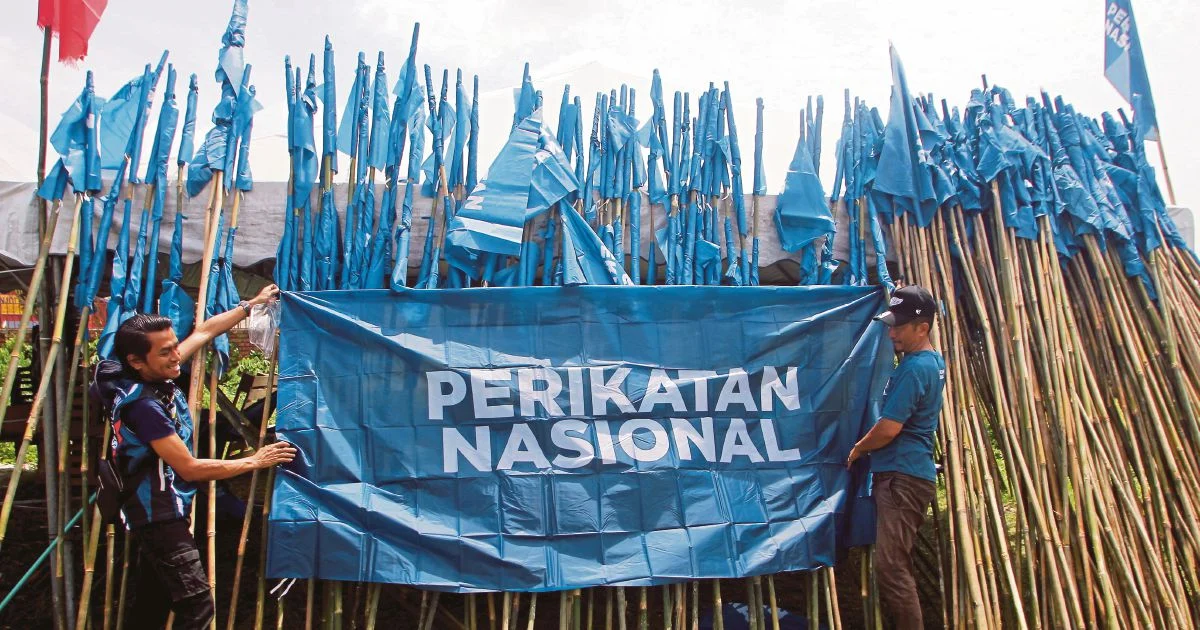
The Perikatan Nasional coalition's highest decision-making body will gather in Kota Baru on June 22 to tackle persistent governance questions that have clouded the opposition bloc's internal operations. At the centre of this anticipated meeting lie two interrelated matters: determining how the coalition's logo may be deployed by member parties and finalising the endorsement protocols for candidates across future electoral contests.
These issues represent more than mere administrative housekeeping for the PN alliance. The coalition, which comprises Parti Pribumi Bersatu Malaysia, Pas, and Perikatan Keadilan Rakyat, has struggled since its formation to establish clear operational frameworks that satisfy each constituent party's interests while preserving the alliance's coherence. The logo question carries symbolic weight—it signals ownership, legitimacy, and campaign visibility—while candidate endorsements determine which individuals carry the coalition's implicit blessing into electoral contests.
For Malaysian politics, the PN's internal resolution of these matters carries broader significance. The coalition has positioned itself as a formidable counterweight to the federal government, with strengthened performance in recent state elections and growing grassroots support. However, unresolved procedural questions invite intra-alliance tensions that weaken organisational effectiveness and confuse voters about the coalition's actual composition and leadership direction. Clarity on logo usage and candidate selection would signal institutional maturity and operational discipline.
The June 22 assembly becomes crucial timing given Malaysia's electoral calendar. By-elections and state-level contests remain perpetual possibilities, and the general election looms within the constitutionally mandated five-year term. Without settled protocols, the coalition risks the chaotic scenarios that plagued previous opposition alliances: competing claims over logo rights, public disagreements about candidate legitimacy, and confusion among supporters about which individuals genuinely represent the collective interest.
Pas, the largest party within PN by membership and organisational reach, holds particular influence over these proceedings. The Islamic-based party has leveraged its organisational strength across rural constituencies into significant political capital. Yet Bersatu, led by former premier Mahathir Mohamad, maintains strategic importance through its positioning and historical relationships within the coalition. The newer entrant Perikatan Keadilan Rakyat brings additional complexity, seeking sufficient prominence within the alliance structure to justify its separate existence.
The logo issue specifically reflects deeper questions about power distribution. Which party's insignia appears prominently on campaign materials affects voter perceptions about which party truly leads the coalition. Similarly, endorsement protocols determine whether the PN functions as a unified electoral force or merely as an electoral understanding between parties that maintain distinct campaign identities. These operational matters therefore represent proxy conflicts over leadership and influence.
Regional observers closely monitor PN's internal cohesion. In Southeast Asia, where coalition politics remains fragile and subject to rapid realignment, the PN's ability to maintain structural integrity while accommodating diverse member interests serves as a meaningful indicator of political stability. A coalition that dissolves through internal disputes weakens not just itself but confidence in opposition politics more broadly.
The Supreme Council meeting also reflects lessons learned from previous opposition alliance failures. The Pakatan Harapan arrangement, which triumphed spectacularly in 2018, fractured through inadequate dispute resolution mechanisms and unclear decision-making hierarchies. PN's founders presumably drew on these experiences, yet persistent unresolved issues suggest that institutional design alone cannot overcome underlying tensions between parties with different ideological orientations, constituency bases, and leadership ambitions.
For Malaysian voters, the June 22 meeting's outcomes carry practical implications. Voters considering support for opposition candidates need reliable information about which party truly supports a candidate and what policy platforms that party represents. When coalitions operate with transparent procedures and settled protocols, voters can make informed choices. Ongoing ambiguity encourages cynicism and voter hesitation.
The timing of this meeting also merits consideration. By scheduling discussion for mid-June, PN leadership demonstrates awareness that these matters demand resolution rather than indefinite deferral. Whether the Supreme Council reaches definitive conclusions or merely establishes frameworks for future resolution remains to be seen. Either outcome represents movement beyond current paralysis.
Looking forward, the PN coalition's institutional development will significantly influence Malaysian electoral dynamics. A cohesive opposition capable of fielding unified campaigns and presenting consistent messaging poses a credible challenge to the federal government. Conversely, a coalition plagued by internal disputes risks relegation to permanent opposition status regardless of policy appeal or popular support. The June 22 meeting therefore represents a critical juncture for opposition politics in Malaysia, with implications extending well beyond procedural questions to the fundamental structure of electoral competition.