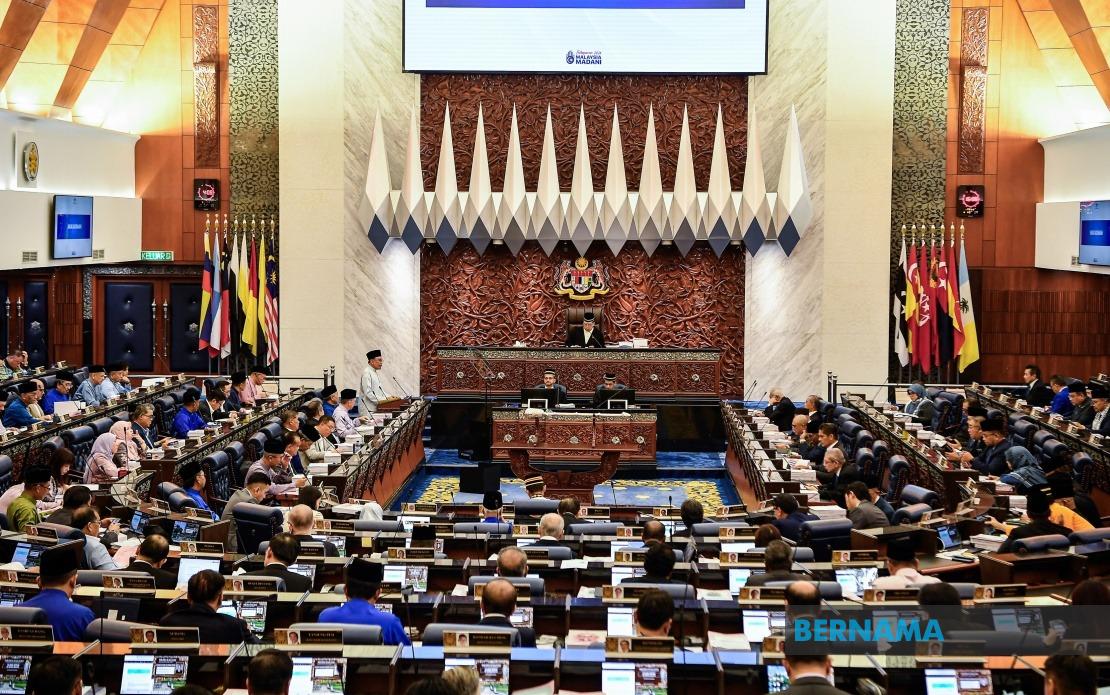
Parliament has given its approval to landmark cybercrime legislation designed to combat the growing menace of deepfakes and non-consensual intimate imagery in the digital age. The Dewan Rakyat passed the Cybercrimes Bill 2026 on July 1 through a majority voice vote, following substantive debate among 48 government and opposition lawmakers. The 61-clause legislation represents a significant step towards establishing clearer legal frameworks for digital offences in Malaysia, as online harms increasingly affect citizens across the nation.
The Bill's passage comes amid rising global concerns about synthetic media and image-based sexual abuse facilitated by advancing technology. Deepfakes—digitally altered videos or images created using artificial intelligence and sophisticated computer systems—have emerged as a serious threat to individual dignity and public trust. Similarly, the non-consensual distribution of intimate photographs and manipulated sexual content constitutes a form of digital abuse that predominantly affects women and vulnerable individuals. Malaysia's new legislation directly addresses these contemporary challenges by establishing specific offences and prescribed penalties for perpetrators engaged in such harmful conduct.
Deputy Prime Minister Datuk Seri Dr Ahmad Zahid Hamidi outlined the government's intention to balance security imperatives with individual freedoms during the bill's conclusion debate. He explicitly stated that the legislation does not vest sweeping investigative powers in authorities or supersede existing legal frameworks, particularly the Official Secrets Act 1972. This clarification proves important for Malaysian civil society stakeholders who have expressed concerns about potential government overreach in previous data-related legislation. The Deputy Prime Minister's assurances address concerns that cybercrime laws could be weaponised against political opponents or journalists investigating corruption.
Crucially, Ahmad Zahid Hamidi emphasised that any government access to computer systems and extracted data must operate within defined legal parameters rather than at the discretion of individual officers. The legislation establishes a requirement that investigating officers must demonstrate reasonable necessity before seeking to preserve digital evidence. Officials must also establish that immediate action is essential to prevent deletion, alteration, or destruction of relevant data. These procedural requirements create a gatekeeping mechanism intended to prevent fishing expeditions or arbitrary data collection that might violate citizens' reasonable expectations of privacy.
Regarding the disclosure of computer data held by service providers and other custodians, the Bill mandates a formal written notice process rather than informal requests or demands. This approach aligns with international best practices observed in jurisdictions such as Singapore and Australia, where telecommunications and internet companies require legal justification before surrendering user information to authorities. The requirement that data disclosure must occur through lawful investigative procedures suggests that warrants, court orders, or other judicial authorisation will typically be prerequisites for accessing private communications or personal digital records.
The Bill's passage reflects Malaysia's recognition that existing legal frameworks, some dating back decades, inadequately address twenty-first century digital threats. The Official Secrets Act 1972 and other traditional criminal statutes were designed for an era when information dissemination occurred through physical documents and broadcast media. Modern cybercrimes unfold at digital speed, affecting multiple victims simultaneously, and involving technical dimensions that conventional legislation struggles to address. By creating dedicated cybercrime provisions, Malaysia joins numerous regional and global counterparts in crafting more precise legal tools for prosecuting digital offences.
For Malaysian businesses and internet service providers, the Bill's enactment creates new compliance obligations alongside clearer expectations regarding government demands for data. Companies will need to establish internal protocols for responding to preservation notices and disclosure requests, maintain detailed records of such requests, and potentially inform affected users when their data is sought by authorities. This transparency dimension, though creating administrative burdens, reflects international movement towards protecting users' right to know when their personal information is accessed by government agencies.
The legislation's focus on deepfakes and intimate image abuse represents a particularly important recognition of gender-based digital violence. Malaysia, like many Southeast Asian nations, has experienced alarming growth in synthetic pornography depicting real individuals without consent, often used for harassment, extortion, or reputation damage. The Bill's specific provisions targeting such content acknowledge that existing offences under laws like the Communications and Multimedia Act 1998 have proven insufficient to deter or adequately punish perpetrators. By establishing dedicated cybercrime offences, prosecutors gain clearer legal grounds and potentially enhanced sentencing frameworks.
Regional implications deserve consideration as Malaysia's approach may influence how neighbouring countries address similar challenges. Singapore has pursued aggressive cybercrime legislation, while Indonesia and Thailand have grappled with balancing security and freedom concerns in digital contexts. Malaysia's emphasis on procedural safeguards and checks against arbitrary authority could offer a model for regional peers seeking to combat genuine harms while maintaining democratic protections. The Bill signals that effective cybersecurity need not require abandoning fundamental civil liberties—a message with resonance throughout Southeast Asia's developing democracies.
The widespread parliamentary support for the legislation, evidenced by the voice vote majority, suggests substantial consensus that current legal gaps require attention. Both government and opposition members recognised the urgency of addressing deepfakes and non-consensual intimate imagery, even if individual clauses or implementation details might be subjects of ongoing concern. This bipartisan backing increases the likelihood that enforcement will proceed with political legitimacy and public acceptance, factors essential for any criminal law to achieve its deterrent objectives.
Implementation will prove critical in determining whether the Bill achieves its protective objectives while respecting fundamental rights. Police and investigative agencies will require comprehensive training on the legislation's provisions, the procedural requirements governing data access, and the distinction between legitimate cybercrime investigations and inappropriate surveillance. Judicial officers will need familiarity with the Bill's technical terminology and evolving factual scenarios involving deepfakes and synthetic media. Without adequate training and institutional safeguards, even well-intentioned legislation risks creating opportunities for abuse.
The passage of the Cybercrimes Bill 2026 marks a watershed moment in Malaysia's approach to digital governance. As technology continues advancing and digital harms proliferate, this legislation provides legal infrastructure to protect citizens from exploitation while theoretically preserving the accountability mechanisms designed to prevent government overreach. The extent to which Malaysia's authorities adhere to the procedural safeguards and checks outlined by the Deputy Prime Minister will determine whether this framework ultimately succeeds in balancing security and freedom—a challenge facing democracies globally as they navigate an increasingly complex digital landscape.

