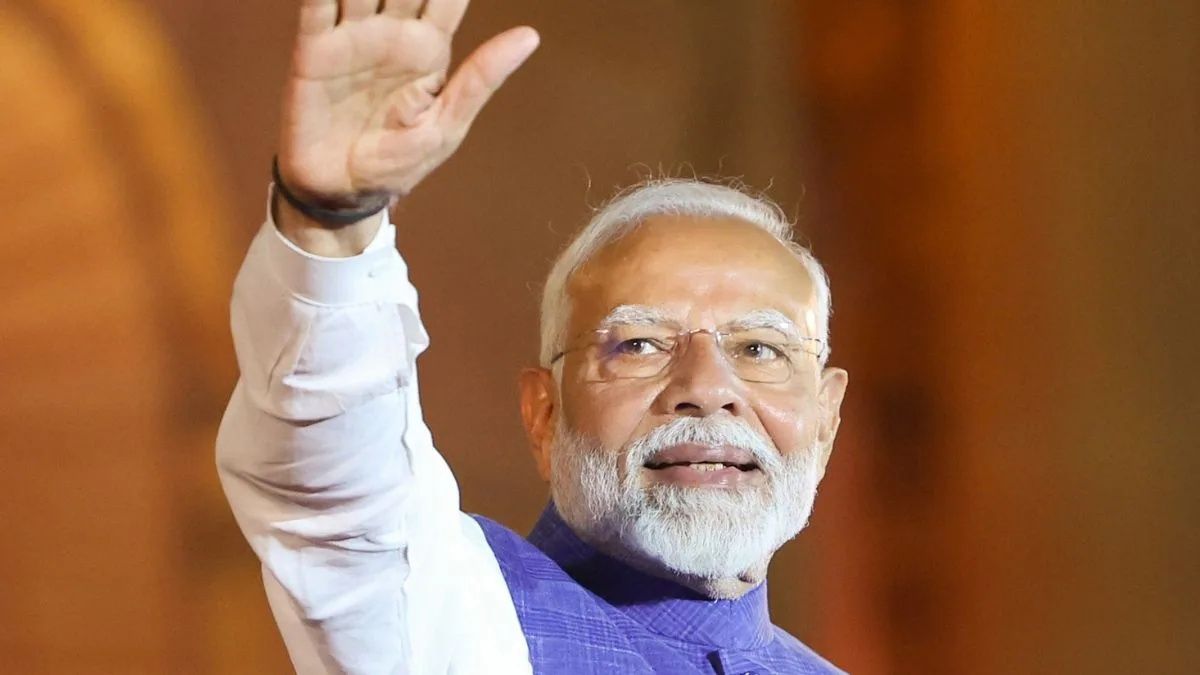
Prime Minister Narendra Modi will spearhead India's observance of the 12th International Day of Yoga (IDY) from Kolkata's Red Road on Sunday, June 21, reinforcing his government's emphasis on holistic wellness through the concept of a "Healthy Body, Healthy Mind." The event represents a significant coordinated effort to promote yoga as a foundational wellness practice, with the main gathering commencing at dawn and featuring mass demonstrations of the Common Yoga Protocol alongside thousands of participants ranging from government officials to ordinary citizens seeking to embrace ancient Indian wellness traditions.
The selection of Kolkata as the venue for this flagship national celebration carries particular political significance in the current context. The decision arrives closely after the Bharatiya Janata Party's decisive victory in the West Bengal Assembly elections, marking a dramatic political realignment in a state long governed by the Trinamool Congress. This choice of location underscores the central government's intention to prioritise infrastructure development and administrative focus in the newly aligned state, with senior BJP leadership explicitly linking enhanced developmental momentum to the region's political transformation and commitment to central government initiatives.
Red Road itself emerges as a symbolically loaded venue, functioning not merely as a logistical choice but as a deliberate statement about public engagement and national purpose. The sprawling thoroughfare, recognised as one of Kolkata's most vibrant public spaces, embodies layers of historical significance encompassing military heritage, civic gatherings, and environmental consciousness. By hosting the primary national yoga observance at this iconic location, organisers are positioning yoga practice as fundamentally connected to India's public life and cultural identity rather than merely a private wellness pursuit, while simultaneously leveraging the venue's existing associations with large-scale organised gatherings.
This year's edition adopts the thematic focus of "Yoga for Healthy Ageing," reflecting global demographic trends that have created new imperatives around quality of life in ageing populations. Union Minister of State for Ayush Prataprao Jadhav articulated the core challenge underlying this theme: as global life expectancy continues rising, ensuring that additional years represent genuinely healthy, independent, and fulfilling lives becomes paramount. Yoga, according to governmental messaging, offers a scientifically grounded yet traditionally rooted pathway toward addressing this challenge, simultaneously strengthening physical capacity, enhancing mental resilience, and improving overall quality of daily existence across age groups.
The scale of preparations for this year's celebrations demonstrates unprecedented institutional mobilisation around yoga promotion. The Ministry of Ayush's Yoga Sangam Portal has registered over 600,000 participating organisations, reflecting expansive enthusiasm among schools, community centres, corporate entities, and government institutions nationwide. This registration milestone indicates that yoga participation has transcended elite wellness circles to become integrated into institutional structures across Indian society, with these registered organisations collectively preparing to conduct simultaneous demonstrations at their respective locations while the Prime Minister leads proceedings from Kolkata.
Global participation dimensions further underscore yoga's positioning as a cornerstone of India's soft power strategy. Approximately 2,500 organised yoga events are occurring simultaneously across participating nations, with Indian diplomatic missions in 211 countries facilitating coordinated celebrations. This worldwide coordination transforms the International Day of Yoga from a domestic Indian observance into an instrument of cultural diplomacy, showcasing Indian wellness traditions while positioning India as a knowledge provider addressing universal health challenges that transcend national boundaries or economic development levels.
The Ministry of Culture's complementary initiative to establish yoga programmes across 100 iconic national sites creates an additional layer of cultural integration, deliberately linking yoga practice to India's architectural and cultural heritage. This approach recognises that yoga functions not as an isolated physical discipline but as an integral expression of Indian civilisation, historically embedded within the country's temples, universities, and cultural institutions. By conducting yoga celebrations at heritage locations, the government reinforces this civilisational connection while encouraging broader public participation beyond those already attracted to formal yoga practice.
Prior to the main Sunday celebration, Kolkata has experienced escalating engagement through preparatory events, notably the "Daud Se Dhyan 2026 – From Movement to Stillness" initiative conducted under the Swachhata Se Swagat Programme. This precursor event represents an innovative integration of yoga and wellness promotion with cleanliness and civic responsibility messaging, embodying the Modi government's characteristic approach of synthesising multiple policy objectives into coordinated campaigns that address health, hygiene, and social consciousness simultaneously.
Expectations for unprecedented attendance on Sunday reflect both genuine public enthusiasm and institutional mobilisation efforts. Event organisers anticipate record-breaking participation, a prediction supported by the substantial advance registrations and the logistical preparations visible across Kolkata's public spaces. The Red Road venue's enormous capacity, combined with its symbolic association with large-scale public gatherings, provides infrastructure adequate to accommodate the anticipated crowds while maintaining the ceremonial dignity appropriate to a nationally televised prime ministerial address.
West Bengal's government has reinforced this mobilisation by mandating yoga day participation among all state employees, requiring attendance at designated venues including Red Road and Milan Mela grounds or at individual workplace and residential locations. This governmental directive transforms the yoga celebration from a voluntary wellness initiative into an employment requirement, embedding participation into institutional structures and effectively guaranteeing substantial government workforce presence at official events. Such mandates, while potentially generating compliance, raise questions regarding the distinction between voluntary health promotion and state-directed wellness participation that merit consideration within broader discussions of public health campaigns and individual choice.
For Malaysian and Southeast Asian readers, this event illuminates India's strategic approach to positioning traditional wellness practices within contemporary global health discourse. As regional governments increasingly grapple with ageing populations and lifestyle-related health challenges, India's systematic integration of yoga into institutional and diplomatic frameworks offers both a cultural reference point and a potential policy model. The yoga day celebrations demonstrate how traditional knowledge systems can be mobilised through modern organisational structures, creating scalable wellness interventions that address demographic challenges facing developing and developed economies alike across the region.
The international dimensions of India's yoga promotion strategy also reflect broader patterns of Asian nations positioning traditional practices as contributions to global health systems. This positioning carries implications for how traditional medicine and wellness practices gain legitimacy within contemporary health policy discourse, potentially influencing how Southeast Asian governments approach their own traditional healing and wellness traditions. India's success in establishing yoga as a globally recognised practice offers lessons about cultural diplomacy's potential to reshape international health conversations and create space for non-Western wellness paradigms within contemporary global health frameworks.
%22%2F%3E%3C%2Fpattern%3E%3C%2Fdefs%3E%3Crect%20width%3D%22100%25%22%20height%3D%22100%25%22%20fill%3D%22url(%23ph154wcg)%22%2F%3E%3Crect%20width%3D%22100%25%22%20height%3D%22100%25%22%20fill%3D%22url(%23ph154wcp)%22%2F%3E%3Ctext%20x%3D%2250%25%22%20y%3D%2250%25%22%20text-anchor%3D%22middle%22%20dominant-baseline%3D%22central%22%20fill%3D%22rgba(255%2C255%2C255%2C0.95)%22%20font-family%3D%22Georgia%2C%20'Times%20New%20Roman'%2C%20serif%22%20font-weight%3D%22700%22%20font-size%3D%22226%22%20letter-spacing%3D%22-0.02em%22%3EEnergy%3C%2Ftext%3E%3C%2Fsvg%3E)