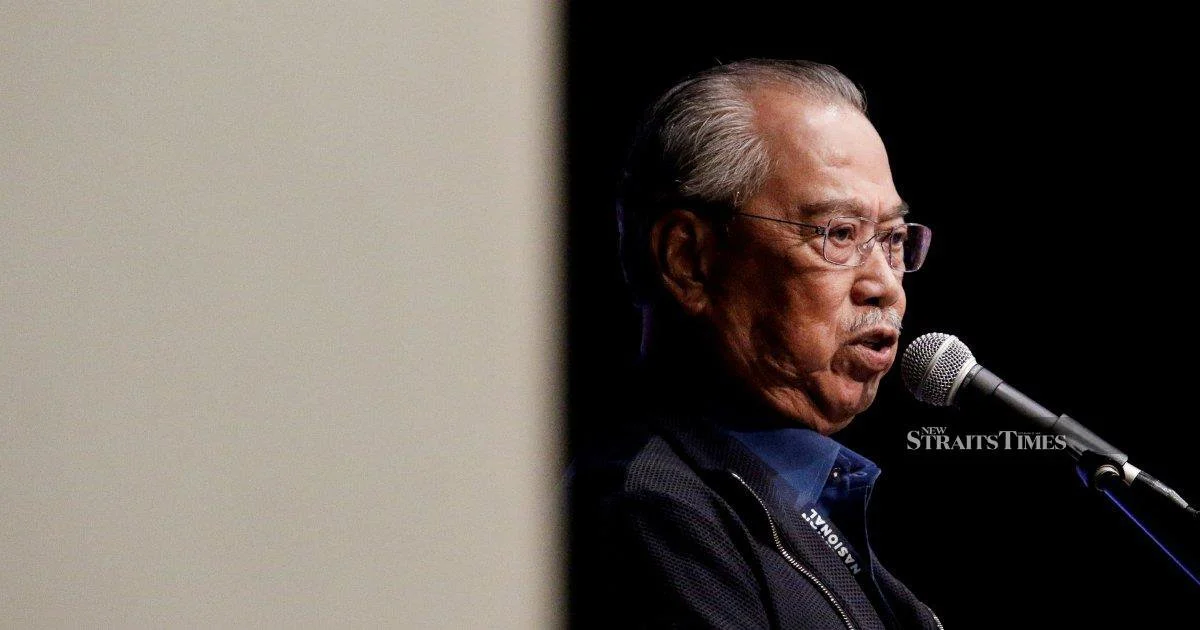
Datuk Dr Marzuki Mohamad has firmly rejected characterizations that Perikatan Nasional's inability to secure the federal government following the 15th General Election stemmed from individual pride or unwillingness to yield the prime ministerial position. The prominent political figure has instead attributed the coalition's post-election setback to deeper constitutional and procedural complexities that constrained the party's options during a pivotal moment for Malaysia's political trajectory.
The distinction Marzuki draws between personal egos and structural constitutional barriers carries considerable weight in understanding the convoluted coalition negotiations that unfolded after voters delivered a fragmented parliament in November 2022. The GE15 result denied any single bloc a commanding majority, forcing multiple factions to seek unlikely partnerships. Rather than dismissing the episode as mere political theater driven by rivalry between ambitious leaders, Marzuki's framing suggests institutional rules and legal frameworks fundamentally shaped what outcomes were achievable.
This interpretation directly challenges narratives that have circulated within Malaysian political circles, where observers frequently attributed PN's failure to personal animosity or one individual's refusal to step back for another aspirant. Such accounts tend to reduce complex political developments to interpersonal dynamics, overlooking the procedural and constitutional scaffolding that actually governs how governments form in Malaysia's Westminster-derived system.
Constitutional constraints surrounding government formation have frequently been underestimated in post-election analysis. Malaysia's constitutional framework imposes specific requirements on how prime ministerial appointments proceed, including the Yang di-Pertuan Agong's role in assessing which coalition commands majority support in parliament. These mechanisms are not flexible political tools but binding legal procedures that elected leaders must navigate within fixed parameters.
Marzuki's position reflects a broader argument that PN faced structural impediments rather than barriers arising solely from personality clashes. Understanding which constitutional provisions created genuine obstacles requires examining the specific pathways available to potential government formations and how they interacted with the actual parliamentary arithmetic after GE15. The coalition's position in the post-election landscape, its seat count relative to rivals, and the constitutional requirements for government formation collectively determined feasibility.
The framing also carries implications for how Malaysian voters and observers assess political failures. If setbacks result primarily from constitutional constraints, the remedies and accountability mechanisms differ substantially from situations arising from personal miscalculation or leadership deficiency. Voters considering whether to support PN in future elections might reasonably distinguish between a coalition thwarted by constitutional architecture versus one whose leaders made strategically poor choices.
For the broader Southeast Asian context, Malaysia's experience illustrates how Westminster-derived constitutional systems can produce outcomes where structural rules, rather than negotiating skill or political will, determine coalition viability. Thailand, Singapore, and other regional democracies navigating similar systems have encountered comparable challenges where constitutional procedures constrain coalition flexibility, sometimes creating situations where mathematically viable combinations become legally problematic.
Marzuki's comments also reflect ongoing debates within PN itself about responsibility for the coalition's 2022 electoral performance and subsequent government formation failure. How party figures characterize the episode influences internal morale, member retention, and the coalition's narrative heading toward future elections. Positioning the outcome as a constitutional impossibility rather than leadership failure potentially preserves party unity and member confidence more effectively than accepting blame for poor political judgment.
The substantive constitutional issues likely involved complex procedural questions about timing, the sequence of votes, and how various hypothetical coalitions would satisfy the Yang di-Pertuan Agong's requirement that any proposed prime minister demonstrate majority parliamentary support. These technical requirements, while less dramatic than personality-driven narratives, fundamentally constrain what political combinations can translate into functioning governments.
Marzuki's intervention into this discussion suggests PN continues actively shaping how its GE15 experience is understood and remembered. By emphasizing constitutional factors, the coalition positions itself as having encountered systemic obstacles beyond its control, rather than suffering from strategic errors or personality conflicts. This framing potentially influences how PN supporters interpret the party's viability and readiness for future governing responsibilities.
The question of whether constitutional constraints or personal ego determined PN's post-GE15 trajectory remains consequential for Malaysian politics. Marzuki's intervention indicates senior coalition figures believe the constitutional argument better explains and ultimately justifies the outcome. Sustained examination of Malaysia's government formation procedures might ultimately inform whether constitutional reforms are warranted to prevent similar situations where structural rules create political gridlock.
As Malaysia contemplates when elections might next occur and which coalitions might emerge as viable governing combinations, the interpretation of GE15's aftermath takes on renewed significance. Whether PN's failure is fundamentally attributed to constitutional limits or leadership shortcomings shapes expectations about what the coalition might accomplish in future partnership negotiations.
%22%2F%3E%3C%2Fpattern%3E%3C%2Fdefs%3E%3Crect%20width%3D%22100%25%22%20height%3D%22100%25%22%20fill%3D%22url(%23ph17foqg)%22%2F%3E%3Crect%20width%3D%22100%25%22%20height%3D%22100%25%22%20fill%3D%22url(%23ph17foqp)%22%2F%3E%3Ctext%20x%3D%2250%25%22%20y%3D%2250%25%22%20text-anchor%3D%22middle%22%20dominant-baseline%3D%22central%22%20fill%3D%22rgba(255%2C255%2C255%2C0.95)%22%20font-family%3D%22Georgia%2C%20'Times%20New%20Roman'%2C%20serif%22%20font-weight%3D%22700%22%20font-size%3D%22194%22%20letter-spacing%3D%22-0.02em%22%3ECabinet%3C%2Ftext%3E%3C%2Fsvg%3E)

%22%2F%3E%3C%2Fpattern%3E%3C%2Fdefs%3E%3Crect%20width%3D%22100%25%22%20height%3D%22100%25%22%20fill%3D%22url(%23ph2icig)%22%2F%3E%3Crect%20width%3D%22100%25%22%20height%3D%22100%25%22%20fill%3D%22url(%23ph2icip)%22%2F%3E%3Ctext%20x%3D%2250%25%22%20y%3D%2250%25%22%20text-anchor%3D%22middle%22%20dominant-baseline%3D%22central%22%20fill%3D%22rgba(255%2C255%2C255%2C0.95)%22%20font-family%3D%22Georgia%2C%20'Times%20New%20Roman'%2C%20serif%22%20font-weight%3D%22700%22%20font-size%3D%22320%22%20letter-spacing%3D%22-0.02em%22%3EPKR%3C%2Ftext%3E%3C%2Fsvg%3E)