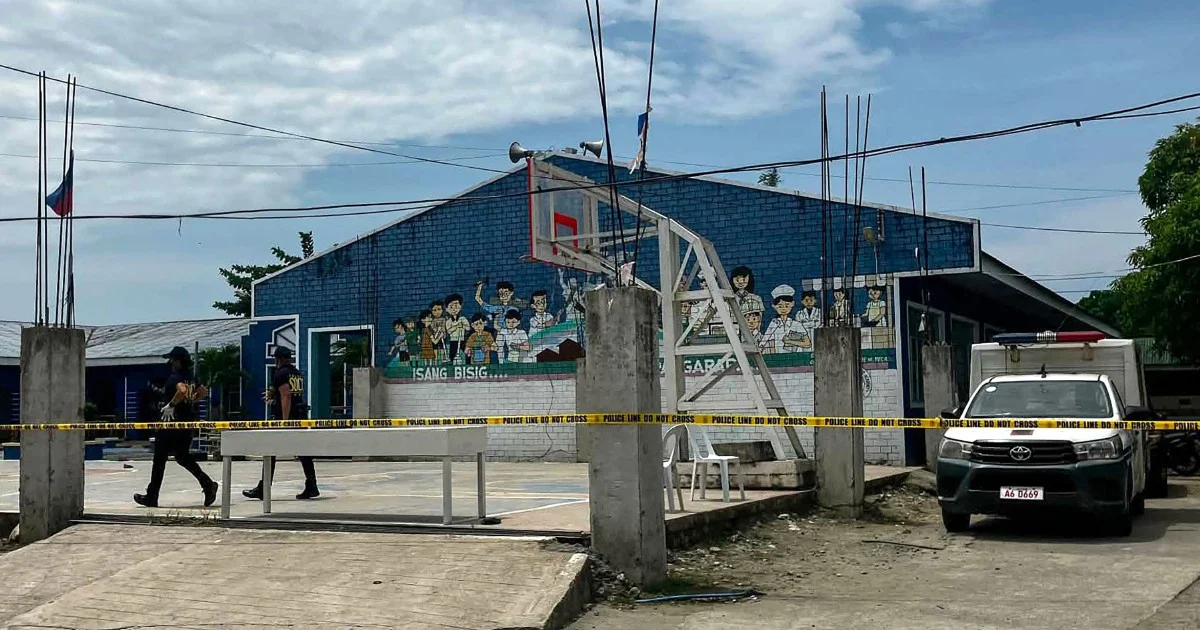
Philippine President Ferdinand Marcos Jr moved swiftly to launch an official investigation into a fatal shooting incident at a school in Tacloban following the attack that resulted in three deaths and five people sustaining injuries. The presidential directive, issued on Monday, reflects escalating concerns about armed violence in educational settings across the Southeast Asian nation.
The Tacloban school shooting represents a stark reminder of the persistent gun violence challenges facing the Philippines, a country with widespread civilian gun ownership but inconsistent enforcement of firearm regulations. Schools throughout the archipelago have long been identified as vulnerable locations, particularly given the prevalence of firearms in communities and the ease with which weapons can be acquired through informal channels. The incident in Tacloban, a major city in the Eastern Visayas region and capital of Leyte province, underscores how violence can penetrate institutions ordinarily considered safe spaces for young people and educators.
Marcos Jr's decision to order a comprehensive probe signals his administration's intent to address not merely the immediate circumstances of this particular incident, but potentially the broader systemic failures that allow armed attacks to occur in educational facilities. Such investigations typically examine security protocols at the institution, background checks on individuals with access to firearms, and broader community factors that may have contributed to the violence. The scope of inquiry will likely reveal whether the school had adequate security measures, whether warning signs were missed, and whether law enforcement responses met expected standards.
The Philippines has grappled with persistent challenges in controlling gun violence, despite multiple attempts at regulation and enforcement. The country's licensing system for firearm ownership has been criticised for loopholes and inconsistent application across different regional authorities. The presence of loose firearms in communities, partly stemming from the country's history of armed conflict in certain regions and the proliferation of illegal weapons, continues to complicate public safety efforts. Educational institutions have not been spared from this broader environment of armed violence.
For Malaysian observers and policymakers, the Tacloban incident offers instructive parallels and contrasts. While Malaysia maintains stricter gun control policies than the Philippines, the broader question of school safety and the measures required to protect students from violence remains relevant across Southeast Asia. Malaysia's approach to firearm licensing and regulation, though more restrictive, still requires constant vigilance to prevent unauthorised access and misuse of weapons. The incident also highlights how regional differences in law enforcement capacity and regulation implementation can create vastly different security environments.
The investigation ordered by Marcos Jr will likely examine multiple dimensions of responsibility and causation. Authorities will need to determine whether the shooter was a student, staff member, or external individual, as this distinction carries significant implications for how the tragedy might have been prevented. Understanding the shooter's motivation—whether personal grievance, mental health crisis, or other factors—will inform recommendations for future prevention. The five injured persons' conditions and the circumstances under which they were wounded will also be subjects of detailed inquiry.
Security lapses at schools often become focal points in post-incident investigations, particularly when examining how firearms were brought into educational premises. Philippine schools vary considerably in their security infrastructure, with some well-resourced institutions maintaining armed guards and controlled access points, while others operate with minimal security measures. The Tacloban school's particular security arrangements will therefore come under scrutiny to identify whether vulnerabilities existed that contributed to the tragedy. Such examinations frequently lead to recommendations for enhanced perimeter security, controlled entry systems, and improved emergency response protocols.
The timing of Marcos Jr's investigative directive matters for broader Philippine governance patterns. His willingness to intervene personally signals that the administration considers school safety a priority issue, not merely a local concern to be handled by Tacloban city authorities. This assertion of presidential authority and attention can either drive meaningful reform or, depending on how the investigation unfolds and what recommendations emerge, become symbolic without substantive follow-up. The credibility of the process will depend on transparency, thoroughness, and whether findings result in concrete policy changes.
For the Philippine education sector, which was already recovering from disruptions caused by the COVID-19 pandemic, this incident introduces fresh anxieties about the safety environment in which learning occurs. Parents, teachers, and students across the country will likely reassess their own schools' vulnerability to similar incidents. Advocacy groups focused on gun control and school safety may use this incident as a catalyst for renewed pressure on the administration to strengthen firearm regulations and implement comprehensive school safety frameworks.
The regional implications extend beyond the Philippines itself. Other Southeast Asian nations continue developing their own approaches to school safety, balancing educational accessibility with protective measures. The incident and Marcos Jr's response provide a case study in how governments respond to critical breaches of educational security. The findings from this investigation may inform discussions in other capitals about best practices, regulatory approaches, and international cooperation on preventing armed violence in educational settings.
Moving forward, the investigation's outcomes will be closely monitored not only within the Philippines but across Southeast Asia. Whether the probe produces meaningful reforms—including potential tightening of firearm access, enhanced school security protocols, or improved mental health and early intervention services—will determine whether this tragedy catalyses systemic change or becomes another incident addressed superficially before fading from public attention. The three lives lost and five people injured deserve investigation that translates into prevention, establishing this incident as a turning point rather than merely another statistic.

