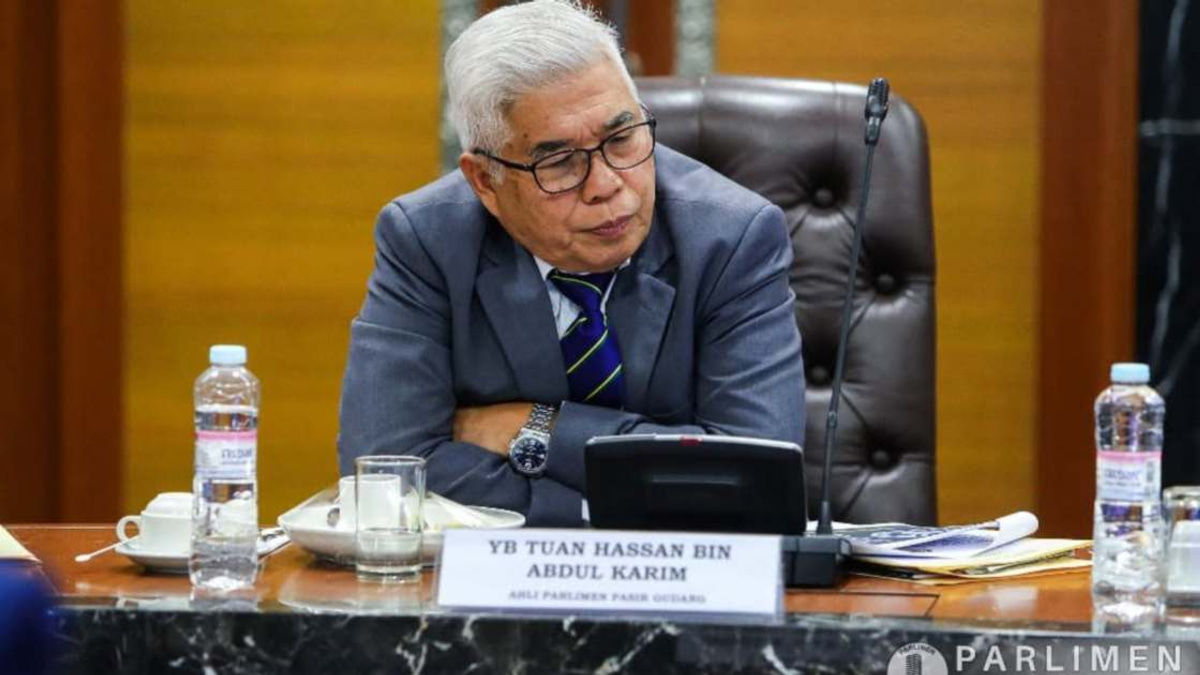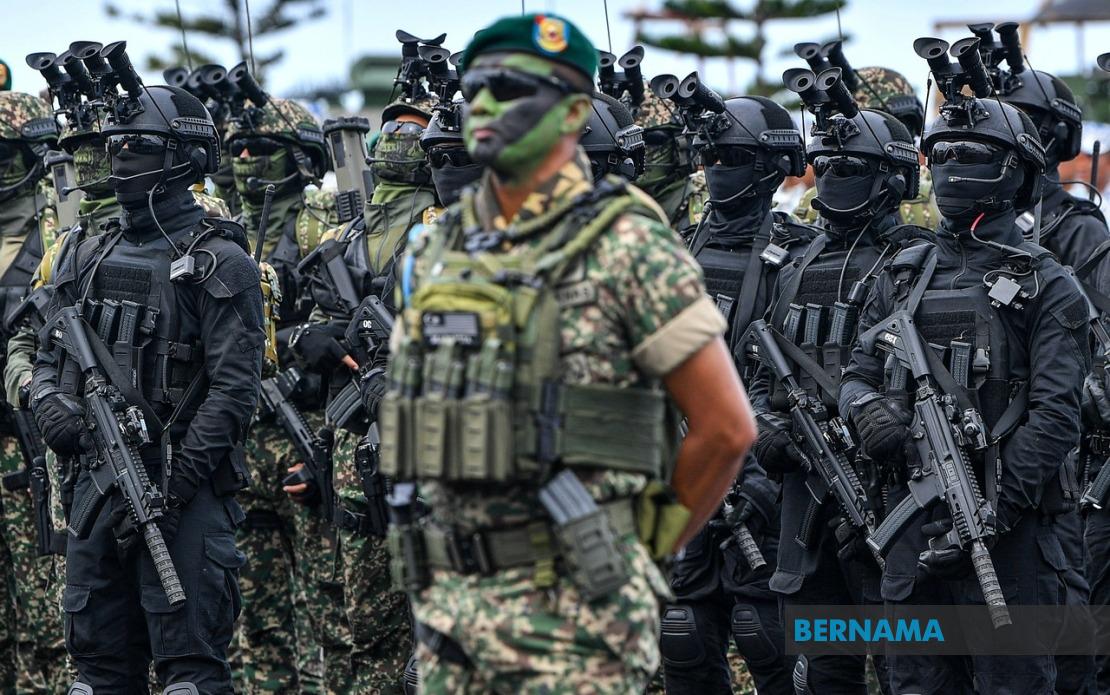
The Malaysian Armed Forces has implemented an immediate halt to all hand grenade training operations nationwide following a catastrophic explosion at Hobart Camp in Kedah that resulted in the deaths of two military personnel. Defence Minister Datuk Seri Mohamed Khaled Nordin announced the sweeping suspension on June 21, emphasizing that the measure would persist until a comprehensive board of inquiry establishes the root causes of the incident and completes its full examination.
The two servicemen who perished in the blast were identified as Private Siti Khadijah Sungip, aged 24, assigned to the 1st Squadron of the Royal Engineer Regiment, and Corporal Norazmi Abu Bakar, aged 40, attached to the 6th Battalion of the Royal Malay Regiment. Both personnel succumbed to severe injuries sustained during the explosion while being transported to Sultan Abdul Halim Hospital in Sungai Petani, Kedah, on June 16. The incident has sent reverberations through Malaysia's defence establishment, prompting urgent action at the ministerial level to prevent similar tragedies.
Mohamed Khaled articulated that the suspension serves a dual purpose: immediately removing potential hazards whilst simultaneously enabling the military to undertake a thorough reassessment of its standard operating procedures governing weapons handling and broader training management protocols. The minister stressed that understanding precisely how such a catastrophic failure occurred remains paramount to restoring confidence in training protocols and ensuring personnel safety going forward. His emphasis on procedural review suggests systemic concerns beyond the immediate incident itself.
During the investigation, authorities will examine multiple dimensions of the accident. Technical aspects of the weapons themselves will undergo scrutiny, as will the mental preparedness, physical condition, and overall readiness of personnel involved in the training exercise. According to established technical guidelines that Mohamed Khaled referenced, once the safety pin on a hand grenade is removed, the device must be thrown within seven seconds before detonation occurs. The investigation will determine whether adherence to this critical timeline or other procedural requirements contributed to the explosion.
The Defence Minister deliberately refrained from speculating about specific causes during his public statement, instead emphasizing the importance of allowing the investigative process to unfold methodically. This cautious approach reflects the sensitivity surrounding military safety incidents and the need to avoid premature conclusions that might undermine the credibility of the formal inquiry. Mohamed Khaled indicated that only upon completion of the thorough investigation would comprehensive assessments be made regarding systemic shortcomings and areas requiring improvement.
Recognizing the gravity of the situation, Mohamed Khaled issued explicit instructions that the investigation be accelerated and that once completed, the full report be submitted directly to his office rather than following standard bureaucratic channels. This expedited reporting mechanism underscores ministerial determination to address findings swiftly and implement corrective measures across the military establishment. The personalised oversight suggests concerns that conventional administrative pathways might allow findings to be diluted or delayed.
For Malaysia's defence sector, the incident raises broader questions about training safety standards and the adequacy of existing protocols for handling inherently dangerous equipment. The Malaysian Army, like military forces globally, must balance the operational necessity of realistic training with the imperative to protect personnel from preventable harm. This particular accident, resulting in fatalities among relatively junior and non-commissioned personnel, highlights vulnerabilities in current systems that demand immediate attention.
The suspension of grenade training across the entire military organization represents a significant operational impact that underscores the seriousness with which authorities regard the incident. Such comprehensive suspensions are not implemented lightly, as they constrain the Army's capacity to maintain combat readiness and properly train new recruits. The decision reflects determination to prioritize personnel safety and systemic integrity over short-term operational considerations, a stance that will resonate throughout the regional military community.
Mohamed Khaled extended formal condolences to the families of the deceased servicemen, acknowledging the profound personal loss accompanying the tragedy. Military families bear unique burdens, as service-related deaths carry particular weight within defence communities. The minister's explicit expression of sympathy, coupled with concrete governmental action, aims to demonstrate institutional accountability and commitment to preventing future similar incidents.
The investigation outcomes will likely produce significant ripple effects across Southeast Asia's military establishments, as regional defence forces monitor Malaysian developments and assess implications for their own training protocols. Standards regarding explosives and weapons handling represent critical safety domains where information-sharing and best-practice adoption serve broader regional security interests. Malaysia's response to this incident, from immediate suspension through accelerated investigation to eventual implementation of reforms, will provide instructive examples to neighbouring military organizations grappling with similar challenges.
The path forward requires balancing institutional learning from this tragedy with maintenance of operational effectiveness. Once the board of inquiry submits its findings, Defence Ministry officials must translate investigative conclusions into concrete, enforceable reforms that prevent recurrence whilst preserving training authenticity. This process will test Malaysia's military leadership's capacity to implement difficult changes and demonstrate genuine commitment to personnel welfare.