Parliament's upper house has endorsed legislative reforms that expand safeguards for witnesses transitioning out of Malaysia's Witness Protection Programme, marking the first time formal exit assistance has been integrated into the legal framework governing these participants. The Witness Protection (Amendment) Bill 2026, which progressed through the Dewan Rakyat on July 14 before today's Upper House approval, introduces provisions enabling witnesses to access one-time financial support and relocation assistance once the Attorney General concludes their protection status, addressing a structural vulnerability in the existing 2009 legislation.
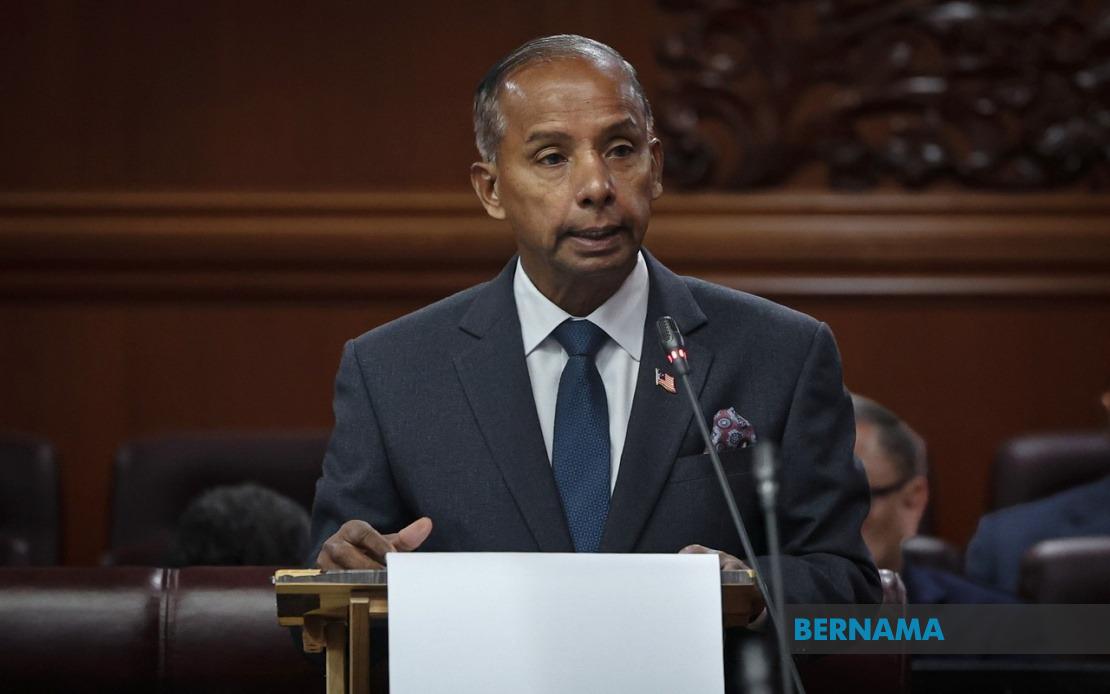
Deputy Minister M. Kulasegaran explained that the transitional assistance encompasses housing grants, moving expenses from secure facilities to new residences, and educational continuity support for affected children. These provisions acknowledge the practical challenges witnesses face when reintegrating into normal life, where anonymity has become essential to their safety and that of their families. The support framework is deliberately calibrated as a finite intervention rather than ongoing payments, recognising that participants must eventually achieve independence while ensuring the critical bridge period does not leave them exposed during reestablishment.
The current Witness Protection Act 2009 operates under a fundamental limitation: comprehensive protections and resources flow exclusively during programme participation, with no statutory mechanism sustaining witnesses after the Attorney General determines coverage termination. This legislative gap has potentially created circumstances where individuals critical to prosecuting serious crimes—particularly in corruption, organised crime and high-profile cases—face sudden vulnerability precisely when they remain identifiable targets. The amendment corrects this imbalance by establishing the director-general of the Protection Division within the Prime Minister's Department with authority to authorise necessary and reasonable assistance packages tailored to individual circumstances.
The timing of this reform reflects Malaysia's evolving approach to witness security in complex criminal prosecutions. Witnesses in major corruption investigations, drug trafficking cases and transnational crime matters often require extended periods of relocation, changed identities, and separation from professional networks and communities. When protection officially concludes, that transition point has historically created an abrupt shift where institutional support evaporates. The new framework acknowledges that safely reintegrating a protected witness requires structured facilitation rather than arbitrary departure, particularly where children's schooling, employment prospects and family stability are at stake.
Kulasegaran emphasised during the parliamentary debate that the amendment represents consolidation of fragmented support mechanisms rather than expansion of unlimited entitlements. By framing assistance as targeted and time-bound, legislators sought to balance obligations toward cooperating witnesses against concerns about indefinite programme liability. The specificity regarding permissible expenditure—housing, transportation, educational transfers—establishes clear boundaries preventing mission creep while addressing genuine reintegration necessities that distinguish witness protection from standard criminal justice assistance.
The broader legislative package encompasses six substantive amendments strengthening multiple dimensions of the witness protection system. Beyond exit assistance, reforms empower the Protection Division director-general to determine protection scope and duration, enhance confidentiality provisions, and improve operational procedures governing participant management. These changes reflect recommendations emerging from operational experience with the 2009 framework, where officials identified bottlenecks in decision-making authority and gaps requiring legislative clarification.
For Malaysian readers, this development matters beyond criminal justice reform because witness protection mechanisms directly influence whether high-level corruption and organised crime prosecutions can progress. Witnesses who fear abandonment upon programme exit may hesitate cooperating with enforcement agencies, undermining investigations into serious crimes affecting national governance and public security. The amendment thus functions as an indirect governance strengthening tool, removing disincentives that discouraged testimony from crucial sources in major cases against politically connected or powerful defendants.
Regionally, Malaysia's approach increasingly aligns with witness protection models adopted by advanced jurisdictions recognising that effective prosecution of transnational crime requires protecting cooperating witnesses through complete lifecycle management. The amendment reflects lessons from comparable Commonwealth systems regarding participant attrition and witness reluctance when security frameworks appear temporary rather than comprehensive. Southeast Asian neighbours including Singapore and Thailand operate more established witness protection regimes, making Malaysia's legislative update particularly relevant as regional cooperation on financial crime and human trafficking intensifies.
Implementation will require administrative refinement establishing assessment processes determining individual assistance eligibility and appropriateness. The Protection Division must develop guidelines distinguishing circumstances warranting housing support versus relocation costs versus educational assistance, ensuring consistency and preventing both inadequate support and inappropriate enrichment. Training for administrators handling exit assessments becomes critical given the sensitivity involved and potential security implications of assistance decisions.
The amendment also signals Malaysia's commitment to international anti-corruption standards, as robust witness protection correlates directly with UNCAC compliance and reputation in foreign investment and governance assessment frameworks. Countries demonstrating serious commitment to prosecuting high-level corruption through comprehensive witness protection typically experience improved international relations with accountability-focused jurisdictions and strengthened anti-corruption credibility.
Stakeholders including law enforcement agencies, prosecutors, and civil society organisations backing anti-corruption efforts have generally supported the amendment as addressing genuine operational shortcomings without creating permanent entitlements or excessive bureaucratic burdens. The legislative consensus suggests recognition that witness protection serves broader national interests in promoting rule of law and prosecutorial effectiveness rather than representing merely individualised beneficence.

