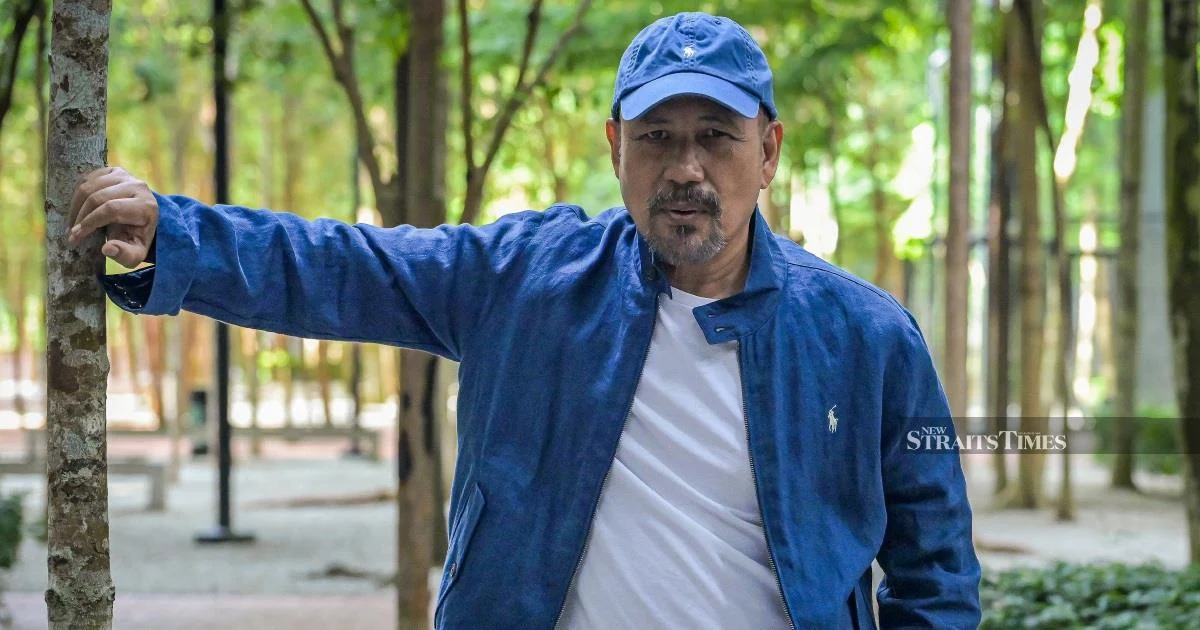
Legendary Malaysian musician Datuk M. Nasir has launched a RM5 million legal action against MyTeksi Sdn Bhd, the Malaysian arm of ride-hailing giant Grab, alleging that the company exploited his name to market a beverage product without his knowledge or consent. The celebrated maestro, who has shaped Malaysia's music landscape over decades with his distinctive voice and artistic contributions, maintains that the unauthorised commercial use of his identity represents a serious breach of his personal rights and warrants substantial compensation.
The lawsuit centres on MyTeksi's alleged decision to leverage M. Nasir's name and reputation in connection with a beverage brand, a move the musician characterises as a fundamental violation of his right to control how his identity is presented in the marketplace. Rather than permit unauthorised commercial exploitation, M. Nasir has chosen to pursue the matter through legal channels, signalling that entertainers of his stature expect explicit permission before their names and likenesses are deployed for commercial purposes. The RM5 million claim reflects not merely the financial value of such endorsements, but also the damage to his reputation and the precedent such unauthorised use could establish.
In defending his legal position, M. Nasir has emphasised that protecting one's name and identity from commercial misuse constitutes a fundamental moral and legal entitlement. His stance reflects broader questions about celebrity rights and the boundaries companies must respect when incorporating public figures into marketing strategies. The musician's willingness to pursue this case publicly suggests he views the matter as extending beyond personal grievance to encompass a principle that should govern how corporations interact with prominent personalities, particularly in Malaysia's increasingly commercialised entertainment sector.
MyTeksi's alleged conduct is particularly noteworthy given Grab's significant market presence throughout Southeast Asia and Malaysia specifically. As a major multinational platform, the company operates at the intersection of technology, commerce, and consumer engagement, where mistakes or oversights can amplify rapidly across digital channels. The beverage partnership in question appears to have proceeded without securing the necessary approvals or permissions from M. Nasir, a lapse that raises questions about the company's internal compliance procedures and how it vets celebrity associations before proceeding with promotional campaigns.
The case carries implications extending beyond the immediate parties involved. For Malaysian entertainers and public figures, the lawsuit demonstrates that substantial legal recourse exists when corporations misappropriate their names for commercial gain. This precedent may encourage other artists to take similar action if they discover unauthorised use of their identities, potentially reshaping how Malaysian companies approach celebrity marketing partnerships and the importance of securing proper agreements before launching campaigns.
M. Nasir's career trajectory positions him as a figure whose commercial value and cultural significance are substantial. His decades-long recording history, collaborations, and standing in Malaysian popular music mean that his name carries considerable weight in market contexts. When a company like MyTeksi appropriates that identity for beverage promotion, it taps into the accumulated goodwill and reputation he has built throughout his professional life—benefits the musician argues should accrue to him, not to external commercial entities.
The situation also raises practical questions about how major platforms like Grab Malaysia manage partnerships and endorsements across their ecosystem. The company operates in multiple markets simultaneously, manages various service verticals, and engages with countless commercial partners. Within this complex operational landscape, the alleged failure to obtain M. Nasir's permission before using his name suggests potential gaps in oversight, approval workflows, or due diligence protocols. Whether the unauthorized use stemmed from negligence, an assumption that permission was unnecessary, or a deliberate decision to proceed without consent remains unclear, but any of these scenarios reflects problematic corporate conduct.
From a consumer perspective, the case also touches on advertising authenticity and transparency. When a musician's name is attached to a product, consumers might reasonably assume the artist has endorsed or approved that product. If M. Nasir did not provide such endorsement, consumers were potentially misled, and the company benefited from false associations. This dimension of the dispute highlights how unauthorised name usage affects not just the celebrity but also the purchasing public's ability to make informed decisions based on accurate information.
The RM5 million quantum reflects the seriousness with which M. Nasir views the transgression. While the exact calculation remains subject to legal argument, such claims typically account for the commercial value of legitimate endorsement agreements, reputational harm, legal costs, and punitive elements designed to deter similar conduct in future. The substantial figure signals that M. Nasir is not pursuing a token settlement but seeking compensation proportionate to what he argues is a significant wrongdoing by a major corporate entity.
Looking ahead, this lawsuit may influence how Malaysian and regional companies approach celebrity partnerships, particularly regarding beverage and consumer goods marketing. More rigorous verification procedures, clearer approval processes, and explicit written consent frameworks could become standard practice as companies recognise the legal and financial risks of proceeding without proper permissions. For MyTeksi specifically, the case presents an opportunity to review its marketing approval systems and ensure future campaigns involving public figures comply with intellectual property and personality rights regulations.
The dispute also occurs within Malaysia's evolving legal framework surrounding personality rights and commercial exploitation. While Malaysian law provides certain protections against unauthorised commercial use of one's identity and reputation, these areas continue to develop through court decisions and legislative clarification. M. Nasir's case may contribute to this evolution, potentially establishing or reinforcing principles about corporate responsibilities when dealing with public figures' names and likenesses in marketing contexts.
As the legal proceedings unfold, the outcome will resonate beyond entertainment circles, affecting how major corporations throughout Southeast Asia structure endorsement arrangements, manage approval processes, and respect the commercial rights of public personalities. Whether the dispute is resolved through settlement or adjudication, it underscores that in Malaysia's modern commercial environment, using a celebrated artist's name without permission carries substantial legal and financial consequences.
%22%2F%3E%3C%2Fpattern%3E%3C%2Fdefs%3E%3Crect%20width%3D%22100%25%22%20height%3D%22100%25%22%20fill%3D%22url(%23ph17foqg)%22%2F%3E%3Crect%20width%3D%22100%25%22%20height%3D%22100%25%22%20fill%3D%22url(%23ph17foqp)%22%2F%3E%3Ctext%20x%3D%2250%25%22%20y%3D%2250%25%22%20text-anchor%3D%22middle%22%20dominant-baseline%3D%22central%22%20fill%3D%22rgba(255%2C255%2C255%2C0.95)%22%20font-family%3D%22Georgia%2C%20'Times%20New%20Roman'%2C%20serif%22%20font-weight%3D%22700%22%20font-size%3D%22194%22%20letter-spacing%3D%22-0.02em%22%3ECabinet%3C%2Ftext%3E%3C%2Fsvg%3E)
%22%2F%3E%3C%2Fpattern%3E%3C%2Fdefs%3E%3Crect%20width%3D%22100%25%22%20height%3D%22100%25%22%20fill%3D%22url(%23ph2icig)%22%2F%3E%3Crect%20width%3D%22100%25%22%20height%3D%22100%25%22%20fill%3D%22url(%23ph2icip)%22%2F%3E%3Ctext%20x%3D%2250%25%22%20y%3D%2250%25%22%20text-anchor%3D%22middle%22%20dominant-baseline%3D%22central%22%20fill%3D%22rgba(255%2C255%2C255%2C0.95)%22%20font-family%3D%22Georgia%2C%20'Times%20New%20Roman'%2C%20serif%22%20font-weight%3D%22700%22%20font-size%3D%22320%22%20letter-spacing%3D%22-0.02em%22%3EPKR%3C%2Ftext%3E%3C%2Fsvg%3E)