In the rural districts of Kelantan, a distinctive cultural practice is staging a quiet comeback among young Malaysians seeking respite from screen-dominated lifestyles. The sport of belalang kerek—cricket fighting—has begun attracting enthusiasts of all ages to tournaments and informal competitions across the state, marking a notable resurgence of a pastime that previous generations had largely abandoned in favour of modern entertainment. This revival reflects broader trends of youth disengagement from technology and renewed appreciation for community-based traditions rooted in Malaysia's agricultural heritage.
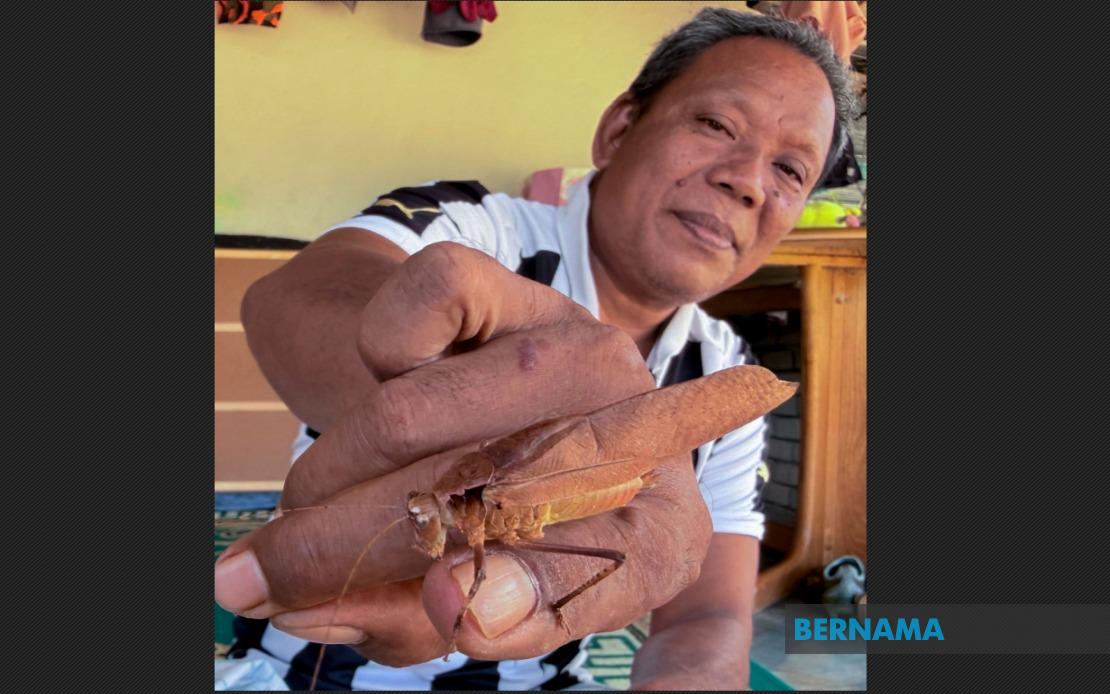
The mechanics of belalang kerek revolve around capturing and conditioning specific species of crickets found abundantly throughout Kelantan's agricultural landscape. Participants engage in meticulous preparation routines, selecting insects based on physical characteristics and vocal qualities before subjecting them to careful training regimes. The actual contests pit two crickets against each other in head-to-head combat, with victory determined by which insect demonstrates superior aggression and fighting spirit. These matches generate considerable excitement among spectators, creating social gatherings that serve multiple functions within participating communities beyond mere competition.
Muhammad Sayuti Mat, a 53-year-old veteran competitor from Kampung Manal 3, attributes the hobby's unexpected renaissance to its remarkably accessible economic profile. Unlike contemporary recreational pursuits requiring expensive equipment or subscription fees, belalang kerek demands minimal financial investment from participants. The insects themselves are freely available in local ecosystems, and the basic infrastructure needed for rearing and competition involves inexpensive materials readily obtained from household resources or agricultural suppliers. This affordability removes traditional barriers that might otherwise exclude participants from lower-income backgrounds, democratising access to competitive entertainment.
Hunting expeditions typically commence after sunset, when environmental conditions prove most conducive to locating target species. Rather than relying on visual inspection, experienced hunters utilise acute auditory perception to identify high-quality specimens by their distinctive vocalizations. Muhammad Sayuti notes that these insects favour specific habitats—agricultural plots, dense vegetation, and particularly areas dominated by fan palms—where their nocturnal activity patterns make them most vocal and detectable. The rhythmic chirping intensifies noticeably during night hours compared to daytime periods, facilitating the hunter's search across rural terrain.
The acoustic dimension of belalang kerek contributes substantially to the pastime's appeal, extending beyond mere functional necessity. Rihduan, another enthusiast quoted in community accounts, emphasises the genuine aesthetic satisfaction derived from listening to cricket songs, particularly when one's own specimen demonstrates superior vocal quality and intensity. This appreciation for natural soundscapes contrasts sharply with the artificial audio environments characterising digital entertainment, suggesting that participants value sensory experiences rooted in direct environmental engagement. The emotional reward of witnessing one's cricket triumph in competition carries significance independent of monetary prizes, indicating that intrinsic satisfaction rather than material gain motivates many participants.
Tournament participation remains economically accessible, with entry fees typically ranging as low as RM3 per competitor insect. This minimal barrier to entry—substantially lower than fees associated with conventional sports or gaming pursuits—permits frequent participation without imposing significant financial strain on contestants. Aidil Md Noor, a 23-year-old participant, identifies this affordability combined with the straightforward dietary requirements of captive crickets as principal drivers of the hobby's rapid expansion among his peer cohort. When feeding costs remain negligible and tournament access remains inexpensive, the aggregate expenditure required to maintain an active presence in competitive circles becomes minimal.
The nutritional demands of captive cricket populations demonstrate remarkable simplicity compared to other animal husbandry practices. Cricket diets consist primarily of readily available vegetables, grains, and agricultural by-products obtainable from local markets at minimal cost or sometimes cultivated from home gardens. This dietary accessibility removes another traditional obstacle to participation, enabling even participants with constrained household budgets to maintain competitive specimens in robust condition. The absence of complex care requirements—such as specialised equipment, veterinary oversight, or expensive feed formulations—distinguishes belalang kerek from many contemporary hobbies demanding substantial ongoing investment.
The social dimensions of cricket fighting tournaments extend considerably beyond the competitive matches themselves. These events function as community gathering points where participants, spectators, and vendors converge, facilitating intergenerational knowledge transfer and reinforcing cultural continuity. Younger enthusiasts interact directly with experienced practitioners, absorbing accumulated wisdom regarding specimen selection, conditioning techniques, and competitive strategy. This organic educational process occurs within a social context that inherently values traditional expertise and practical skill, contrasting with the often isolating nature of digital entertainment consumption. The tournaments simultaneously serve as venues for strengthening interpersonal connections within geographically proximate communities.
Kelantan's particular prominence in this revival reflects the state's distinctive demographic and geographic characteristics. As a region with substantial rural populations maintaining close ties to agricultural traditions and natural ecosystems, Kelantan provides optimal conditions for belalang kerek's flourishing. The state's cultural institutions continue emphasising traditional practices and local heritage, creating an environment where such revivals encounter fewer social barriers than might exist in more urbanised contexts. The enthusiasm manifesting among Kelantan youth simultaneously connects contemporary young people to ancestral practices whilst providing tangible alternatives to screen-dependent recreation that increasingly dominates Malaysian leisure patterns.
This grassroots movement towards traditional sport participation reflects broader Malaysian societal conversations regarding digital wellness and cultural preservation. As public health discussions intensify around excessive screen time's psychological and physical consequences, particularly among younger populations, traditional recreational alternatives gain renewed relevance. Belalang kerek's resurgence demonstrates that youth interest in heritage-based activities remains latent and substantial, requiring only accessible entry points and community enthusiasm to manifest. For policymakers and cultural institutions, the phenomenon suggests opportunities for intentional promotion of traditional Malaysian pastimes as complementary elements within comprehensive youth wellness strategies.
%22%2F%3E%3C%2Fpattern%3E%3C%2Fdefs%3E%3Crect%20width%3D%22100%25%22%20height%3D%22100%25%22%20fill%3D%22url(%23ph154wcg)%22%2F%3E%3Crect%20width%3D%22100%25%22%20height%3D%22100%25%22%20fill%3D%22url(%23ph154wcp)%22%2F%3E%3Ctext%20x%3D%2250%25%22%20y%3D%2250%25%22%20text-anchor%3D%22middle%22%20dominant-baseline%3D%22central%22%20fill%3D%22rgba(255%2C255%2C255%2C0.95)%22%20font-family%3D%22Georgia%2C%20'Times%20New%20Roman'%2C%20serif%22%20font-weight%3D%22700%22%20font-size%3D%22226%22%20letter-spacing%3D%22-0.02em%22%3EEnergy%3C%2Ftext%3E%3C%2Fsvg%3E)