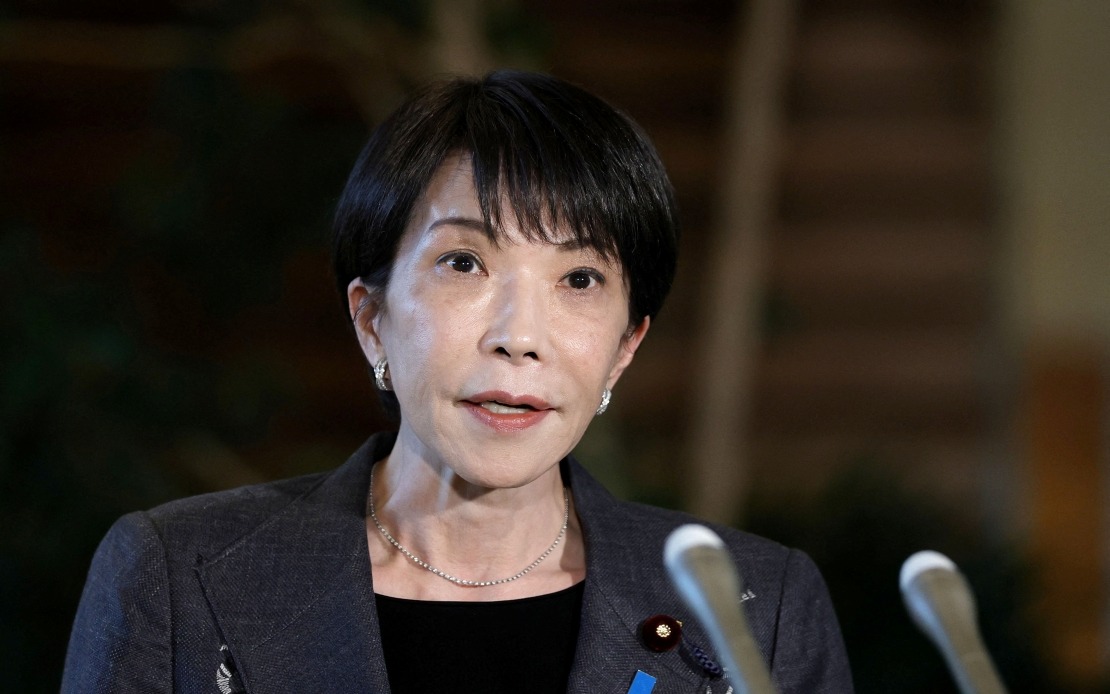
Japanese Prime Minister Sanae Takaichi dispatched a ritual offering to Tokyo's Yasukuni shrine on Saturday as the nation observed the 81st anniversary of the end of World War II, marking a carefully calibrated approach to one of East Asia's most sensitive historical symbols. Defence Minister Shinjiro Koizumi and several other senior government figures visited the Shinto shrine in person during the commemorative period, with multiple Cabinet members honouring the site that holds profound symbolic weight across the region.
Takaichi's decision to send an offering rather than visit in person reflects strategic positioning within Japan's political establishment. As a leading conservative and president of the ruling Liberal Democratic Party, she financed the ritual offering from her personal funds, according to senior party officials. This distinction matters considerably: her predecessors as prime minister routinely made public visits to Yasukuni on the August 15 anniversary, but since assuming office last October, Takaichi has maintained deliberate distance from the shrine despite her long history of participation during its seasonal festivals and war anniversary observances.
The Yasukuni shrine occupies extraordinary significance in Japanese political culture, enshrining 14 wartime leaders as deities in 1978, including General Hideki Tojo, Japan's wartime prime minister who was executed in 1948 for crimes against peace. Most of the deified figures were convicted as Class-A war criminals, making the shrine a permanent flashpoint in regional diplomacy. For Southeast Asian and East Asian nations that endured Japanese military occupation and colonisation, the shrine represents an unresolved question about historical accountability and national remembrance.
Koizumi's personal visit carried particular significance, as he became the first sitting defence minister confirmed to have attended the shrine on the war anniversary since Minoru Kihara's visit on August 15, 2024. Kihara, now serving as chief Cabinet secretary in Takaichi's administration, had previously held the defence portfolio when he made that appearance. This succession of visits by defence officials underscores how security and historical commemoration have become entangled within Japan's governing circles, even as the nation faces what officials characterise as an increasingly severe security environment.
Beyond Koizumi, multiple other Cabinet members made the pilgrimage. Hitoshi Kikawada, serving as state minister overseeing issues related to the Northern Territories, visited the shrine. These islands off Hokkaido remain the focus of a longstanding territorial dispute with Russia—a territorial question that Japan contends stems from illegal Soviet seizure following the war. The presence of government figures handling contemporary diplomatic challenges at a shrine laden with historical controversy illustrates how modern Japanese politics weaves together past and present security concerns.
Senior Liberal Democratic Party executives also participated in the observances, including Secretary General Shunichi Suzuki, Haruko Arimura heading the party's General Council, and Yasutoshi Nishimura directing its Election Strategy Committee. Their involvement signals that Yasukuni visits remain integral to the LDP's political identity, despite—or perhaps because of—the international sensitivity surrounding them. The party has governed Japan almost continuously since 1955, and managing these historical commemorations represents a recurring test of its conservative base's expectations against diplomatic realities.
Yasukuni visits by Japanese prime ministers and senior officials have consistently provoked sharp diplomatic reactions from China and South Korea, both of which experienced the direct consequences of Japan's regional military expansion. Japan occupied vast areas of mainland China by war's end and administered the Korean Peninsula as a colony from 1910 through 1945. These historical facts remain contested terrain in contemporary regional relations, and official visits to a shrine honouring convicted war criminals are interpreted in Beijing and Seoul as implying revisionism about Japan's wartime conduct and responsibility.
Takaichi's personal restraint since taking office suggests awareness of these sensitivities, yet her decision to channel resources toward the shrine through an offering preserves her ideological alignment with conservative constituencies that value robust national commemoration. This balancing act reflects Japan's broader challenge: the nation has organised its postwar identity around the pacifist provisions of its war-renouncing Constitution, yet in recent years it has accelerated defence spending and capability development in response to regional strategic shifts. How Japanese leaders remember and commemorate their war past directly intersects with how they frame Japan's contemporary security posture.
The timing of these Yasukuni observances occurs as Japan continues strengthening its defence profile, driven by concerns about Chinese military capabilities, North Korean weapons development, and broader Indo-Pacific security dynamics. Senior Japanese officials justify enhanced defence investments as responses to objective security threats, yet the simultaneous participation in war shrine rituals complicates Japan's diplomatic messaging in countries with living memories of Japanese aggression. Southeast Asian nations, while less directly impacted than China and Korea, remain attentive to how Tokyo handles these historical questions, as regional stability depends partly on reconciliation rather than historical friction.
The shrine itself functions as a repository for different historical narratives. Within Japanese conservative circles, Yasukuni represents a space for honouring Japanese war dead and maintaining national pride in faced adversity. For neighbouring countries, it symbolises evasion of accountability and potential glorification of imperial conquest. This interpretive divide has proven remarkably resistant to resolution across nearly 80 years of postwar diplomacy, suggesting that Japanese political leaders navigate Yasukuni visits as permanent fixtures of their relationship with the past rather than questions susceptible to final settlement.
Looking forward, Takaichi's approach—indirect financial support rather than personal presence—may represent a sustainable middle path within Japan's conservative politics, allowing her to acknowledge party base expectations while minimizing direct diplomatic confrontation. However, the continued presence of sitting defence ministers at the shrine suggests that Japan's security establishment remains comfortable with these historical symbolism choices. For Malaysia and other Southeast Asian observers, these patterns indicate that historical memory management continues shaping Japan's regional relationships and self-conception in ways that extend well beyond ceremonial significance into substantive questions about how Tokyo understands its obligations to the region's past and present.

