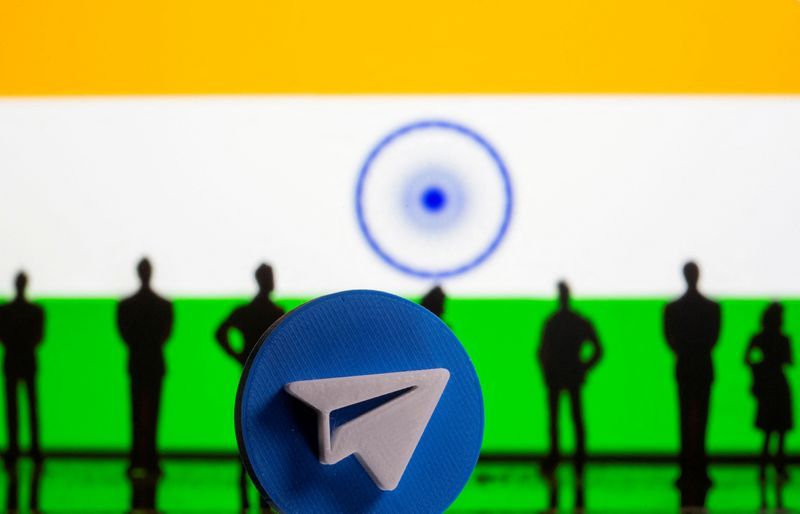
A New Delhi court has dealt a significant blow to Telegram by rejecting the messaging platform's legal challenge against India's unprecedented temporary ban, marking a watershed moment in the escalating tensions between global technology companies and the Indian government over content moderation and national security concerns.
The Delhi High Court's decision to uphold the prohibition comes just days before India is scheduled to conduct its national undergraduate medical entrance examination on Sunday. The timing reflects the government's determination to prevent a repeat of last month's examination debacle, when authorities were forced to cancel the entire test following allegations that examination questions had been circulated in advance through various online channels.
Judge Tejas Karia of the Delhi High Court determined that the government's orders blocking Telegram were legally sound and had adhered to proper procedural requirements. This judicial endorsement provides significant legitimacy to the Indian government's unprecedented action, which represents one of the most aggressive measures any major democracy has taken against a major messaging platform in recent years. The court's reasoning suggests that Indian authorities successfully demonstrated sufficient grounds linking Telegram to the potential spread of confidential examination material.
The Indian Ministry of Information Technology had announced the temporary suspension earlier this week, citing credible concerns that numerous channels operating on Telegram were actively promoting stolen or fabricated examination questions to prospective medical students. Government officials emphasized that regardless of whether these purported questions were genuine or counterfeit, their circulation would constitute fraud against candidates who might purchase access to them, thereby justifying emergency intervention.
The implementation of the ban proved remarkably swift and comprehensive. Within hours of the government directive, Indian telecommunications companies moved to block access to Telegram's infrastructure, while major technology platforms including Google Play Store and Apple's App Store removed the application from their digital storefronts across India. This coordinated action effectively rendered Telegram inaccessible to the vast majority of Indian users, demonstrating the extraordinary leverage that governments possess over technology platforms through control of telecommunications infrastructure and app distribution channels.
The blockade strikes particularly hard given Telegram's substantial foothold in the Indian market. The encrypted messaging application boasts more than 150 million active users in India, making the country its single largest user base globally. This concentration of users creates significant commercial implications for Telegram, which has built its business model on fostering rapid growth in emerging markets. The temporary ban, while officially limited until June 22, raises uncomfortable questions about the precedent being set for government intervention against platforms that fail to meet content moderation expectations.
Telegram's founder Pavel Durov has publicly assailed the ban as counterproductive, arguing that blocking access to the entire platform punishes millions of innocent users while leaving the underlying problem unresolved. His criticism reflects a fundamental disagreement about the appropriate balance between national security and individual rights. Durov contends that the exam fraud channels have simply migrated to alternative platforms, suggesting that the government's approach addresses symptoms rather than underlying causes while imposing collateral damage on legitimate users.
The dispute between Telegram and Indian authorities escalated through weeks of private negotiations that deteriorated into accusations and counter-accusations. The Indian government had criticized Telegram for insufficient proactive measures to identify and remove accounts distributing alleged leaked examination materials. Officials expressed frustration that despite multiple conversations, Telegram's response remained reactive rather than anticipatory, prompting the government to conclude that voluntary compliance was insufficient.
Telegram's response emphasized its own compliance efforts, characterizing the government's public statements as misleading and incomplete. The platform disclosed that it had independently removed more than 900 links connected to unlawful examination-related content, underscoring the technical and human resources it dedicates to content moderation. The company's court filings alleged that the government had deliberately omitted inconvenient details about Telegram's proactive security measures, suggesting that the dispute involved competing narratives about corporate responsibility and government expectations.
For Malaysian technology observers and regulators, this case provides instructive precedent. Southeast Asian governments, including Malaysia, have demonstrated increasing willingness to intervene in technology platform operations to address public concerns. The Indian court's validation of the ban suggests that democratic legal systems may be receptive to government arguments about national interest overriding platform autonomy. This could influence how Malaysian regulators approach future disputes with technology companies operating within jurisdictions where content moderation disputes or security concerns intersect.
The broader implications extend beyond Telegram specifically. The successful implementation of a total platform ban demonstrates that even companies with massive user bases and significant economic leverage remain vulnerable to government pressure in developing markets where telecommunications infrastructure remains state-controlled or closely regulated. Technology executives must contend with an evolving landscape where compliance with government expectations around content moderation carries escalating consequences, potentially including sudden and total market access denial.
As India prepares to administer its rescheduled medical entrance examination, the temporary Telegram suspension represents a considerable gamble. If the examination proceeds without security breaches, officials will likely claim vindication for aggressive intervention. Conversely, if fraud occurs through alternative channels, critics may highlight the limitations of platform-specific bans. This outcome will significantly influence how governments throughout South Asia and Southeast Asia approach similar future scenarios involving technology platforms and examination security.