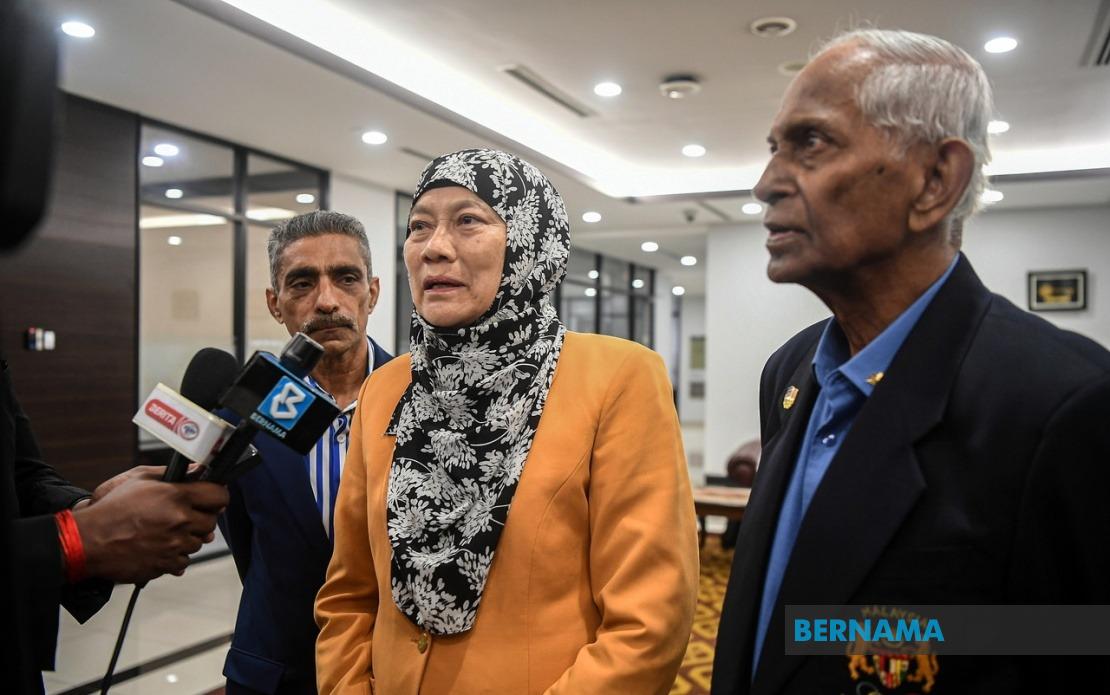
Datuk Zaiton Othman, the former Sports Commissioner, has sounded an urgent alarm about governance lapses within Malaysia Athletics, cautioning that non-compliance with World Athletics regulations could trigger severe penalties including suspension or cancellation of the national body's registration. Speaking to reporters after meeting Youth and Sports Minister Dr Mohammed Taufiq Johari at Parliament today, Zaiton outlined the cascading consequences of such disciplinary action, which would prevent Malaysia from staging athletics competitions at the 2027 SEA Games and bar Malaysian competitors from participating in international events sanctioned by World Athletics.
The stakes are particularly high for Malaysia given athletics' enormous contribution to the Games medal tally. Track and field events at recent SEA Games have yielded 47 gold medals, encompassing marquee disciplines such as the 100-metre sprint and the men's and women's 4x100-metre relay races. These events remain cornerstones of any national team's success, and the prospect of being unable to organise or field competitors in them represents a fundamental threat to Malaysia's ambitions as the upcoming host nation. Zaiton's concerns were articulated during a delegation meeting that included Olympian Datuk Karu Selvaratnam and Datuk Noorul Ariffin Abdul Majeed, former chairman of the National Athletes Welfare Foundation, signalling that alarm about the situation extends well beyond administrative circles into the athlete community itself.
The governance crisis at Malaysia Athletics has its roots in constitutional discrepancies between the national federation and World Athletics. Zaiton emphasized that any constitutional amendments or administrative decisions that deviate from World Athletics standards risk triggering international sanctions. Malaysia Athletics president Karim Ibrahim recently took a leave of absence from his duties, a move timed to allow the federation to revise its constitution in alignment with World Athletics requirements ahead of an Annual General Meeting scheduled for later this month. This procedural shift acknowledges the severity of the compliance gap and represents an attempt to rectify structural problems before they metastasize into disciplinary action.
Karim Ibrahim's position has been complicated by his historical suspension imposed by World Athletics in 2018, a sanction upheld by the Court of Arbitration for Sport despite his subsequent ability to contest Asian Athletics Federation Executive Council positions for the 2019-2023 term. The interplay between his individual status and his role leading the national federation illustrates how governance challenges at Malaysia Athletics intertwine personal circumstances with institutional obligations, creating a complex web of compliance issues that demand comprehensive resolution.
Zaiton framed the intervention as a corrective action rooted in concern for national athletic performance. The representatives who met with Minister Johari, drawn from the Reformation in Sports and Excellence initiative, expressed worry that governance deficiencies could undermine the preparation and competitive readiness of Malaysian athletes. This perspective shifts the discussion beyond abstract regulatory compliance toward concrete implications for how well Malaysian track and field competitors can train, prepare, and represent their nation on the international stage. Governance dysfunction creates uncertainty that reverberates through athlete development pipelines, coaching structures, and competition schedules.
The legal framework governing sports administration in Malaysia provides some capacity for intervention without overstepping into inappropriate government control of sports bodies. Under the Sports Development Act 1997, the Sports Ministry and Sports Commissioner retain authority to enforce compliance with regulatory frameworks and to reprimand errant sports associations. Zaiton noted that while direct government intervention in administrative affairs remains constrained, this statutory authority creates legitimate space for corrective action when associations drift into non-compliance with international standards.
The timing of these governance concerns coincides with Malaysia's preparation to host the 2027 SEA Games, an event that commands enormous national resources and attention. Hosting a Games requires seamless coordination across multiple sports bodies, and institutional failures in any single federation can create cascading logistical problems. If Malaysia Athletics remains suspended or subject to sanctions, the entire Games athletics programme would be compromised, forcing either cancellation of these events or relocation to another country—an outcome that would be both diplomatically embarrassing and operationally disastrous.
The broader Southeast Asian context matters here as well. Athletics has grown increasingly competitive across the region, with countries like Thailand, Indonesia, and Vietnam investing heavily in track and field development. Any suspension of Malaysia Athletics would hand competitive advantage to regional rivals while simultaneously signalling instability in Malaysian sports governance at precisely the moment when strong institutional performance matters most. For young Malaysian athletes eyeing regional and international careers, governance instability creates anxiety about whether their federation can provide the structural support and international recognition necessary for career advancement.
Zaiton's public intervention also reflects concerns held by a constituency of former athletes and Olympians who view governance as foundational to competitive success. Rather than treating constitutional compliance as a bureaucratic technicality, this community recognises that sound governance architecture enables better athlete support, clearer accountability, and stronger institutional relationships with international partners. The voices of athletes themselves, filtered through respected figures like Zaiton, carry particular weight in any governance reform discussion.
The pathway forward requires Malaysia Athletics to complete its constitutional amendments and achieve full alignment with World Athletics standards before the next critical international reporting deadlines. This work must be completed expeditiously but thoroughly, as hasty revisions could create new compliance gaps. The federation must also address any individual compliance issues affecting office-holders while simultaneously rebuilding institutional credibility with World Athletics. The coming weeks will be decisive in determining whether Malaysia can avert sanctions and secure its ability to host athletics at the 2027 SEA Games.