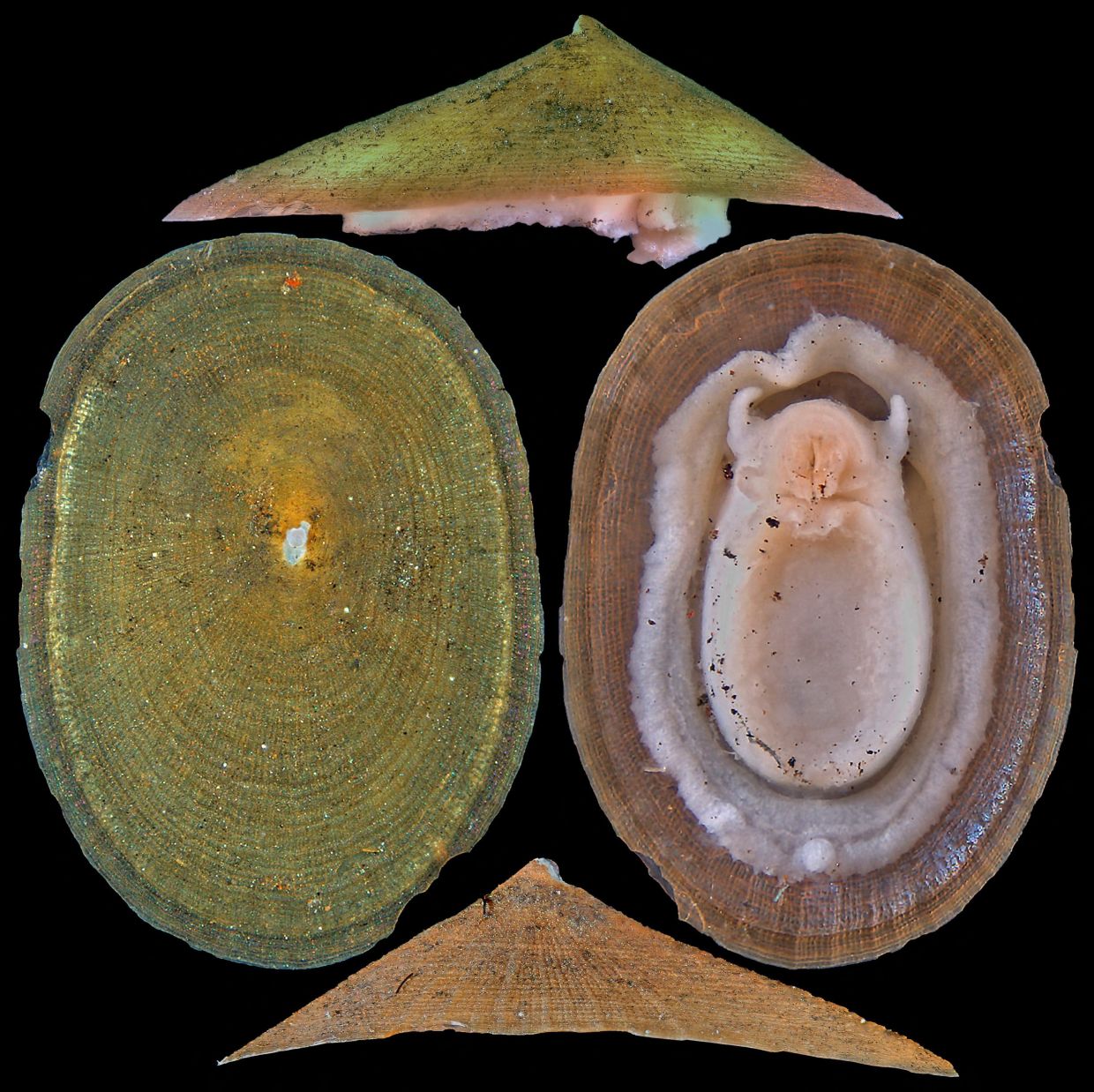
The International Union for Conservation of Nature has sounded fresh alarms about the mounting dangers posed by deep-sea mining to some of Earth's most unusual creatures. In its latest assessment of the global Red List of Threatened Species, the IUCN revealed that 62 percent of mollusk species that depend on hydrothermal vents for survival face genuine extinction risk—a sobering statistic that encompasses 125 out of 201 known species worldwide. The finding underscores how even the planet's most remote ecosystems are now vulnerable to human resource extraction.
These molluscs represent a remarkable collection of life forms adapted to one of the ocean's harshest environments. Inhabiting depths reaching 5,000 metres below the surface, these creatures have evolved extraordinary mechanisms to survive temperatures exceeding 450 degrees Celsius around volcanic vents that discharge superheated water into the sea. The group includes snails, limpets, mussels, clams, and chitons—species that have only recently begun to enter scientific awareness, with many discovered within the past decade. Their extreme specialisation to deep-sea conditions, while testament to nature's ingenuity, leaves them dangerously vulnerable to disruption of their already fragile habitat.
The threat stems directly from industrial operations aimed at extracting valuable minerals from the seabed. Exploration activities generate sediment plumes that settle over the organisms, smothering them and disrupting their feeding mechanisms. The physical disturbance interferes with the creatures' capacity to extract nutrients from their environment, effectively starving populations that have nowhere else to survive. Unlike species with broader geographic ranges or adaptability to multiple habitats, these vent-dependent molluscs have nowhere to retreat when their narrow ecological niche faces destruction.
This latest Red List update brings the total number of assessed species to 175,909, reflecting an ongoing expansion in conservation monitoring capacity. The number of species listed as threatened with extinction has also climbed to 49,505, representing a grim trajectory that conservation scientists view as indicative of accelerating biodiversity loss across multiple ecosystems. The escalation in threatened species numbers reflects both genuine deterioration in environmental conditions and improved scientific documentation of previously overlooked organisms.
Julia Sigwart, representing the IUCN mollusc specialist group, characterised the situation with particular urgency, describing these creatures as occupying a critical juncture in their survival prospects. The convergence of recent discovery with immediate extinction risk presents a troubling scenario where species vanish before science fully understands them. The specialist emphasis that these molluscs constitute some of the most imperilled animal groups globally, facing threats that have materialised with surprising speed as industrial interest in deep-sea mineral resources has intensified.
The IUCN itself has previously called for a moratorium on deep-sea mining, with member organisations voting in 2021 in favour of halting such activities unless marine environments receive effective protective measures. This position reflects recognition that our understanding of deep-sea ecosystems remains incomplete and that industrial disruption could trigger cascading ecological consequences that science cannot yet fully predict. The organisation's stance carries weight given its role as the global authority on species conservation status, yet regulatory frameworks for deep-sea mining remain fragmented internationally.
Grethel Aguilar, heading the IUCN, contextualised the threat within the broader biodiversity crisis confronting the planet. She noted the paradox that creatures possessing the most sophisticated evolutionary adaptations to hostile environments now find themselves among the most vulnerable to extinction. The deep-sea molluscs exemplify this troubling reversal: their remarkable capacity to thrive where few organisms can survive offers no protection against human resource extraction. This observation carries particular resonance for Southeast Asian waters, where deep-sea mining exploration is increasingly attracting commercial interest despite limited understanding of regional marine biodiversity.
Beyond the hydrothermal vent molluscs, the updated Red List documents shifting fortunes for other species. The desert rain frog, a charismatic amphibian that has gained popularity through social media, has experienced deteriorating circumstances owing to diamond mining and energy infrastructure development along the southwestern African coast. Once classified as merely near threatened, it now falls within the vulnerable category, with population projections suggesting a 20 percent decline over the coming decade should conservation efforts remain inadequate. The frog's case illustrates how iconic species with public recognition still struggle against industrial development pressures.
Conversely, Australia's numbat marsupial presents a conservation success narrative that underscores the transformative potential of sustained, collaborative effort. The small banded anteater has recovered from a precarious endangered status to near threatened classification, with population estimates rising from just a few hundred individuals in the 1970s to between 2,000 and 3,000 today. This reversal resulted from dedicated captive breeding programmes and habitat protection measures implemented over decades, demonstrating that extinction trajectories need not prove irreversible when resources and political will align.
John Woinarski, co-chairing the IUCN's Australasian marsupial and monotreme specialist group, framed the numbat recovery as validation of long-term conservation strategy. He simultaneously cautioned that without sustained commitment, invasive predators such as cats and foxes will continue driving Australia's smaller marsupials and native rodents toward extinction. The broader implication resonates across biodiverse regions globally: conservation successes require perpetual maintenance, not one-time interventions. For Southeast Asian nations managing comparable biodiversity pressures alongside rapid economic development, the numbat example carries instructive weight regarding the necessity for institutional consistency in environmental protection.
The divergent trajectories of these species encapsulate contemporary conservation's fundamental challenge: how to balance legitimate economic interests in resource extraction against the imperative to preserve ecosystems and species facing extinction. The deep-sea mining issue particularly tests this balance because affected organisms remain largely unknown to the public, generating less political pressure for protective measures than charismatic megafauna command. Yet the principle remains unambiguous: allowing the extinction of species before science understands them represents an irretrievable loss of biological knowledge and ecosystem function.

