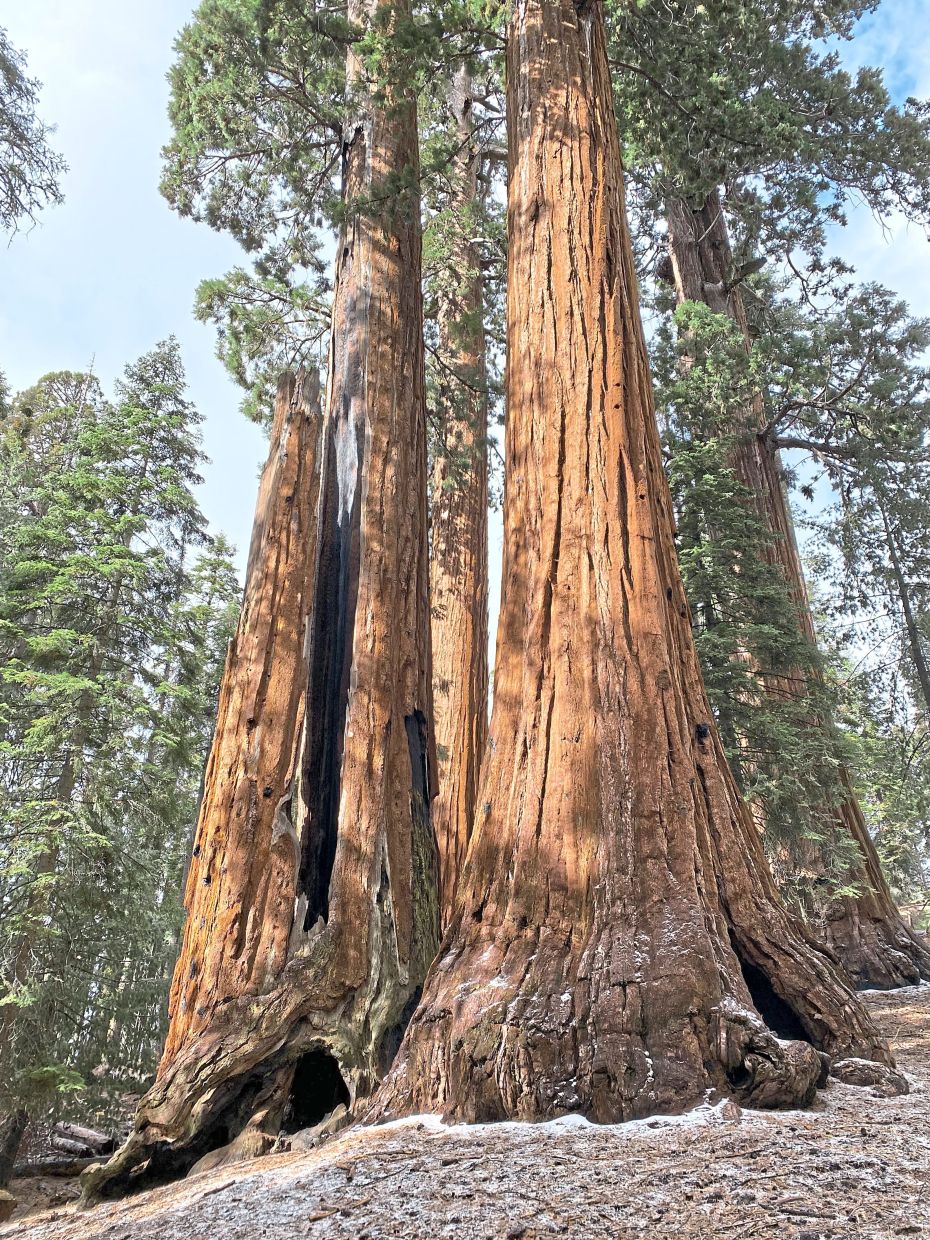
California's giant sequoias, among Earth's most extraordinary living organisms, have become the focus of an unprecedented restoration initiative following catastrophic wildfires that nearly erased a fifth of the world's remaining groves. In 2020 and 2021, multiple fires swept across the southern Sierra Nevada, destroying thousands of these ancient trees that can reach 91.5 metres in height and survive for three millennia. The devastation prompted scientists, park managers and environmental organisations to form an ambitious coalition committed to preventing future catastrophic losses to these irreplaceable natural monuments.
The Giant Sequoia Lands Coalition, formed in response to the fires, brings together eight primary organisations including Cal Fire, the California State Parks system, the National Park Service, the US Forest Service and the Tule River Indian Tribe of California. This partnership has been working since 2022 to restore the 94 giant sequoia groves scattered across public lands from the Tahoe National Forest to Bakersfield. According to a report released in early May, their combined efforts have already reduced fire danger across 9,409 hectares, establishing an important foundation for the more comprehensive work needed in coming decades.
The scale of the restoration reflects both the ecological importance of giant sequoias and the urgent threat they face. These trees, which are the largest living organisms on Earth by volume, once thrived in forests shaped by regular natural fires set by Indigenous tribes or ignited by lightning strikes. Before the Gold Rush of the 1850s, flames moved through the groves every 10 to 20 years, triggering a natural cycle that the sequoias themselves had evolved to survive. Their remarkable adaptation—thick, spongy bark up to 60 centimetres that acts as insulation—and resin-sealed cones that release seeds only when exposed to fire demonstrated nature's elegant solution to life in a fire-prone ecosystem.
However, a century of aggressive fire suppression has fundamentally altered this dynamic, according to forest specialists. When firefighting agencies systematically extinguished every flame, they inadvertently allowed dangerous fuel to accumulate—dense thickets of white fir, red fir and incense cedar, along with dead wood and smaller trees that now create explosive conditions. Kristen Shive, a fuels and forest specialist with the University of California Cooperative Extension Program, noted that when modern wildfires do break through these groves, they burn with unprecedented intensity, temperatures and severity that can kill trees that have survived millennia. The 2020 and 2021 fires killed approximately 20 percent of the world's giant sequoias, an astonishing loss that galvanised the restoration movement.
The coalition's approach combines ancient wisdom with modern resource management. Thinning operations remove competing vegetation that threatens sequoia saplings while creating more open forest conditions. Crews have worked across 44 of the 94 groves, carefully removing the accumulated undergrowth that fuels destructive fires. In severely burned areas, workers have planted more than 682,000 sequoia seedlings, directly restoring the population that fires destroyed. This hands-on work is complemented by controlled burns using Indigenous fire management techniques that California tribes employed for centuries—a recognition that fire itself, managed carefully, is essential to forest health rather than an absolute evil to be prevented.
The economics of restoration also play a role in sustaining the programme's momentum. Some of the larger timber removed during thinning operations on private land or Cal Fire-owned demonstration forests is sold to lumber companies, generating revenue that helps offset the substantial costs of the work. This creates a sustainable funding mechanism that does not rely entirely on government appropriations, allowing the coalition to expand operations even during budget constraints. Kevin Conway, state forests programme manager for Cal Fire, emphasised that restoring natural forest conditions—thinner, more open stands of trees—creates forests better equipped to withstand drought, fire and disease.
Climate change has intensified the urgency of these efforts. Extended droughts from 2012 to 2016 and 2020 to 2022 killed millions of trees across the Sierra Nevada, creating abundant dry fuel that makes fires burn hotter and spread faster. Rising temperatures dry out soils and vegetation, fundamentally altering fire behaviour and making prevention work critical. The restoration coalition recognises that they are racing against time, as another catastrophic fire season could strike before prevention efforts are complete.
Steve Mietz, recently appointed president of Save the Redwoods League, an San Francisco-based environmental organisation, articulated the coalition's determination despite the magnitude of the challenge. "It's a race against time," Mietz observed, "but it's not a matter of if, but when we will have more fires. We have the answers. We know what to do. It's not hopeless." This optimism reflects genuine progress—in four years, the coalition has treated more than 9,400 hectares, a significant accomplishment that demonstrates the feasibility of landscape-scale restoration.
Legal challenges have occasionally disrupted restoration work. In 2022, the Earth Island Institute sued the National Park Service to halt fuel reduction projects at Merced Grove in Yosemite National Park, arguing that insufficient environmental study had been conducted. However, a federal district court dismissed the case, and in 2023 the Ninth Circuit US Court of Appeals upheld that dismissal, allowing work to proceed. At Merced Grove specifically, where six wildfires have threatened the grove over the past 15 years, thinning and controlled burn operations began last year and are expected to continue through the current season.
The restoration programme carries significance beyond California's borders. Malaysia and other Southeast Asian nations with fire-prone forests face similar challenges of balancing fire suppression with ecosystem health. The giant sequoia restoration demonstrates how Indigenous knowledge about fire management, combined with modern science and inter-organisational cooperation, can address complex environmental threats. As climate change makes fire seasons increasingly severe across multiple continents, the California coalition's approach offers a tested model for protecting irreplaceable forests and the biodiversity they support.
The coalition's work also highlights an important shift in conservation philosophy. Rather than viewing fire exclusively as a destructive force to be eliminated, modern forest management increasingly recognises fire's essential ecological role. This reframing, informed by both scientific research and Indigenous land management traditions, opens possibilities for more effective stewardship of fire-adapted ecosystems worldwide. For the ancient giant sequoias that have endured millennia, the restoration effort represents humanity's commitment to coexisting with rather than controlling natural forces.

