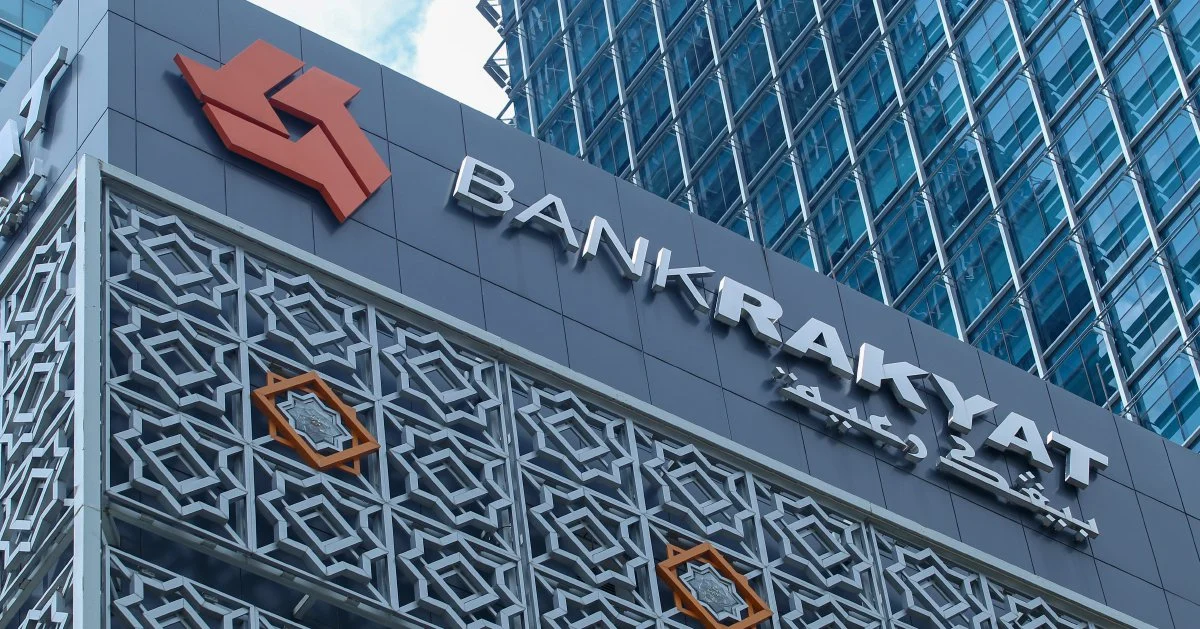
Bank Rakyat has successfully raised RM300 million through a subordinated sukuk Murabahah issuance, marking a strategic move to reinforce its capital base as the development bank navigates Malaysia's evolving financial landscape. The Islamic bond offering, drawn from the institution's RM5 billion subordinated sukuk Murabahah programme, represents a calculated approach to securing funds while maintaining compliance with Shariah principles—a requirement that reflects the bank's positioning as a cornerstone Islamic financial institution serving Malaysia's mass market.
The sukuk instrument employed by Bank Rakyat operates under the Murabahah structure, an Islamic financing concept based on cost-plus markup transactions. This mechanism allows the bank to raise capital while adhering to religious guidelines that prohibit conventional interest payments. By tapping this avenue, Bank Rakyat demonstrates confidence in both its financial standing and the continued appetite among Islamic investors for quality debt securities issued by reputable financial institutions.
Capital strengthening initiatives hold particular significance for development banks operating across Southeast Asia's emerging markets. For Bank Rakyat, which maintains a broad mandate serving microfinance, small and medium-sized enterprises, and agricultural sectors throughout Malaysia, maintaining robust capital ratios directly influences lending capacity and regulatory compliance. Stronger capital reserves translate into enhanced ability to absorb potential losses, expand credit portfolios, and meet the stringent requirements established by Malaysia's financial regulator, Bank Negara.
The RM5 billion subordinated sukuk Murabahah programme under which this issuance occurred provides Bank Rakyat with substantial flexibility in accessing the Islamic capital markets. Having established this larger framework, the institution can execute multiple tranches tailored to market conditions and funding requirements without undergoing repetitive regulatory approvals for each separate issuance. This efficiency streamlines the fund-raising process while signalling to investors that the bank maintains a structured, long-term approach to capital management.
From a broader Malaysian perspective, Bank Rakyat's sukuk activity contributes to the country's position as a global Islamic finance hub. Malaysia consistently ranks among the world's largest sukuk markets, with Kuala Lumpur serving as a principal centre for Islamic bond innovation and distribution. Individual institutions like Bank Rakyat sustain this ecosystem through regular market participation, attracting both domestic and international Islamic investors seeking exposure to quality assets anchored in Malaysia's financial infrastructure.
The timing of Bank Rakyat's capital raise warrants attention within the context of Malaysia's economic trajectory. As the country navigates recovery and expansion following pandemic-related disruptions, financial institutions must position themselves to capitalise on opportunities across their service segments. Enhanced capital positions enable development banks to increase lending to underserved communities and businesses, thereby supporting inclusive growth objectives that extend beyond profit maximisation toward broader socioeconomic development.
Bank Rakyat's focus on capital adequacy also reflects sector-wide imperatives shaping Southeast Asian banking. Regulatory frameworks across the region have progressively tightened capital requirements, prompting institutions to pursue proactive funding strategies. By securing RM300 million now, Bank Rakyat maintains comfortable buffers above minimum regulatory thresholds while generating resources for strategic initiatives that might otherwise require curtailment or deferral.
Investor reception of Bank Rakyat's sukuk offering indicates sustained confidence in Malaysian development finance institutions. Demand for the issuance signals that portfolio managers, whether based domestically or internationally, view Bank Rakyat as an attractive investment counterparty. This confidence derives partly from the institution's track record, regulatory oversight, and implicit support structure that typically characterises development banks operating under government auspices.
Looking forward, the capital infusion positions Bank Rakyat to advance operational expansion across underserved segments. Malaysia's persistent reliance on microfinance and agricultural credit, particularly in rural and semi-urban areas, creates substantial demand that well-capitalised institutions can address more comprehensively. With enhanced financial capacity, Bank Rakyat can deepen geographic penetration, expand product offerings, and potentially improve lending terms for priority borrower categories.
The sukuk issuance simultaneously advances Malaysia's Islamic finance architecture, reinforcing the country's competitive advantage in an increasingly crowded global market. As Islamic finance expands across jurisdictions from the Middle East to Southeast Asia to Western financial centres, Malaysian participants must maintain visibility and activity levels that underline their commitment to the sector. Bank Rakyat's regular sukuk activity contributes to this positioning, attracting both talent and investor attention to Kuala Lumpur's financial services ecosystem.
For stakeholders tracking Bank Rakyat's trajectory, this capital-raising event demonstrates management's proactive stance toward financial sustainability and growth. Rather than waiting for capital adequacy pressures to force action, the bank has moved to secure funding under favourable market conditions. This approach contrasts with reactive strategies and typically yields more advantageous terms for issuing institutions, ultimately benefiting depositors, borrowers, and shareholders through improved financial flexibility.
%22%2F%3E%3C%2Fpattern%3E%3C%2Fdefs%3E%3Crect%20width%3D%22100%25%22%20height%3D%22100%25%22%20fill%3D%22url(%23ph154wcg)%22%2F%3E%3Crect%20width%3D%22100%25%22%20height%3D%22100%25%22%20fill%3D%22url(%23ph154wcp)%22%2F%3E%3Ctext%20x%3D%2250%25%22%20y%3D%2250%25%22%20text-anchor%3D%22middle%22%20dominant-baseline%3D%22central%22%20fill%3D%22rgba(255%2C255%2C255%2C0.95)%22%20font-family%3D%22Georgia%2C%20'Times%20New%20Roman'%2C%20serif%22%20font-weight%3D%22700%22%20font-size%3D%22226%22%20letter-spacing%3D%22-0.02em%22%3EEnergy%3C%2Ftext%3E%3C%2Fsvg%3E)