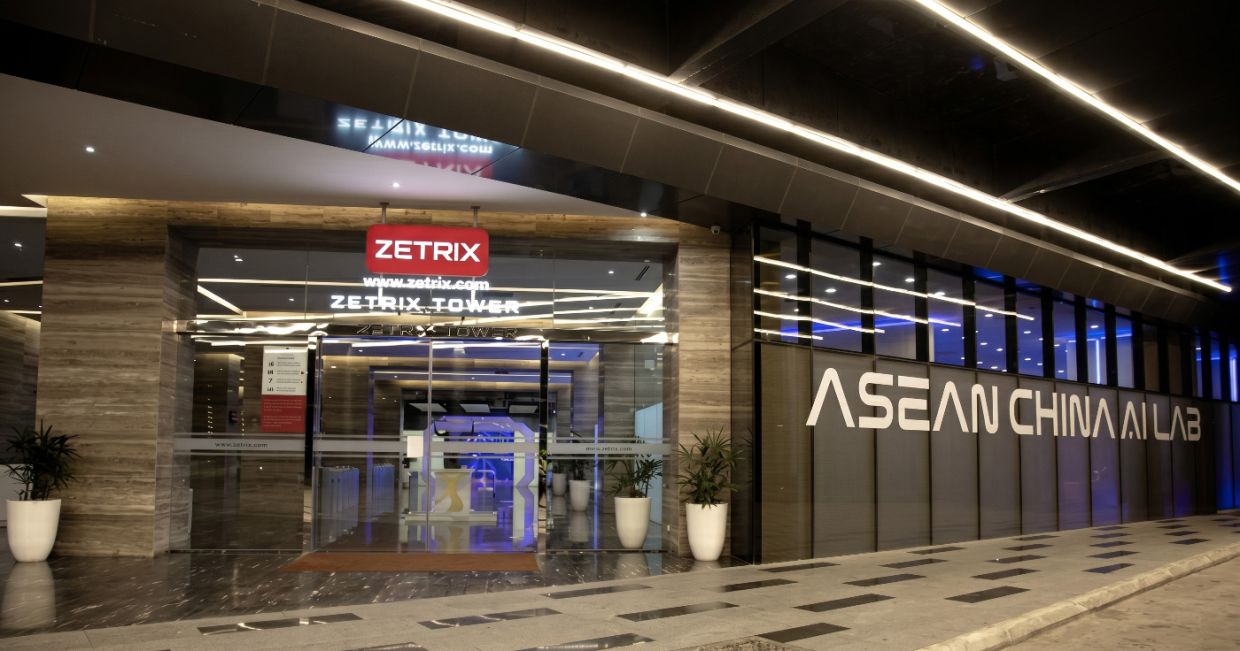
Zetrix AI Bhd moved swiftly on Friday to quash market speculation linking the technology company to corruption charges against former human resources minister Datuk Seri M. Saravanan, filing a formal response with Bursa Malaysia Securities Bhd after the stock experienced an extraordinary trading day. The denial came in response to an unusual market activity query from the exchange, as investors fled the company following unsubstantiated rumours connecting it to the high-profile graft case.
Saravanan faces three charges brought before the Sessions Court on August 28 related to the approval of foreign worker quotas, a matter that has attracted significant public and media attention. Zetrix AI's management asserted that the company had no involvement whatsoever in these allegations and stressed that any such connection was entirely speculative in nature. The company's statement indicated that unfounded gossip and rumour-mongering in the market had likely triggered the unusual trading volume and dramatic share price deterioration witnessed during Friday's session.
In its formal exchange filing, Zetrix AI explicitly stated there was no factual or substantive basis for linking the company to Saravanan's legal troubles. The technology firm underscored that it was unaware of any genuine connection between the former minister's charges and the group's business operations, financial position, or corporate strategy. This emphatic denial represented an attempt to restore investor confidence and clarify the company's position in light of market confusion that appeared to have spread rapidly among shareholders.
Management conducted a thorough internal investigation to ensure complete transparency with the exchange and the investing public. Following detailed inquiries with all members of the board of directors, significant shareholders, and other relevant stakeholders within the organisation, Zetrix AI confirmed that no material corporate developments existed—whether in advanced negotiation, discussion stages, or any other form—that could plausibly explain the trading frenzy. The company found no undisclosed mergers, acquisitions, financing arrangements, or strategic initiatives that might account for the volatility.
Beyond the unsubstantiated speculation regarding Saravanan's corruption charges, Zetrix AI acknowledged being unable to identify any other credible explanation for the market disturbance. This statement essentially attributed the entire episode to groundless rumour and investor panic, highlighting how quickly misinformation can destabilise share values in Malaysia's capital markets. The incident underscores vulnerabilities in market information flow and the susceptibility of technology stocks, particularly those with limited institutional coverage, to viral speculation.
The financial impact on shareholders proved severe and immediate. During Friday's trading session, Zetrix AI shares plummeted 30 sen, representing a devastating 50.4% loss that drove the stock down to 29.5 sen per share. The scale of the decline reflected panic selling, as nearly 1.05 billion shares changed hands during the session—an extraordinary volume that far exceeded normal trading patterns for the counter. The limit-down halt mechanism prevented further deterioration but nevertheless locked in substantial losses for holders unable to exit positions.
For Malaysian investors and market observers, this episode reveals important lessons about due diligence and information verification. The case demonstrates how quickly corporate reputations can suffer when rumours gain traction, even in the absence of any factual foundation. Zetrix AI's experience also illustrates the importance of proactive corporate communication during periods of market turbulence, as delayed responses can permit speculation to metastasise and cause irreversible damage to share valuations.
The incident carries broader implications for market integrity and investor protection in Southeast Asia. Malaysia's regulatory framework, overseen by the Securities Commission and Bursa Malaysia, has made progress in combating manipulation and false information, yet cases like Zetrix AI demonstrate that gaps remain. The exchange's decision to issue an unusual market activity query represented an appropriate regulatory response, though the damage to shareholders' wealth had already occurred by the time management could formally respond.
Former minister Saravanan's legal proceedings, meanwhile, continue independently of these market machinations. The three graft charges relate to the approval process for foreign worker quotas, a sensitive issue in Malaysia given ongoing debates about labour migration policy and its economic and social effects. The charges themselves appear to involve allegations of corruption or abuse of office in discretionary decision-making regarding permit allocations, though full details remain subject to court proceedings. The legal process will unfold separate from market movements, though the high-profile nature of the case clearly attracted attention from retail investors and speculators alike.
Zetrix AI's predicament raises questions about market transparency and the speed at which information—accurate or otherwise—propagates through trading communities. In an era of social media, instant messaging applications, and retail investment platforms, rumours can achieve remarkable velocity, particularly when they attach to prominent political figures and potentially newsworthy developments. The company's share price decline, while severe, may yet recover if investors conclude that the connection to Saravanan's case truly represents baseless speculation rather than any genuine corporate issue.
Moving forward, Zetrix AI must work to rebuild confidence among its shareholder base and the broader investment community. The company's transparent response and internal investigations provide some foundation for rehabilitation, though persistent reputational damage may linger. For the exchange and regulators, the episode suggests ongoing need for investor education regarding information sources and the importance of verifying claims before making trading decisions based on unconfirmed rumours.

