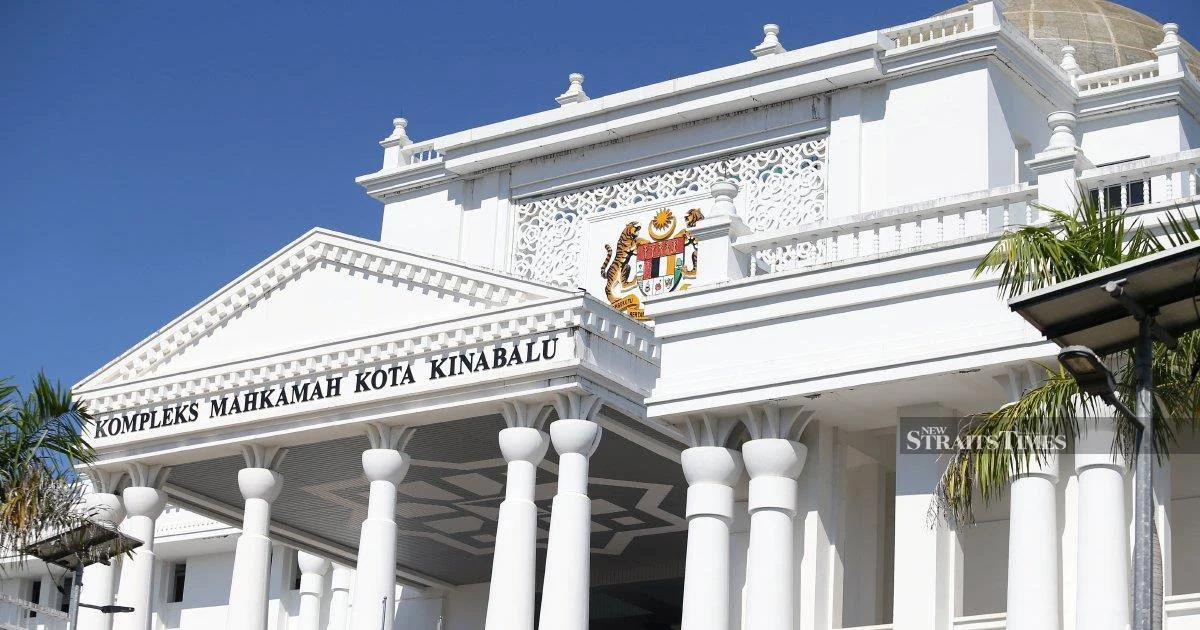
The inquest into the death of Zara Qairina Mahathir, a 13-year-old girl whose passing raised significant questions, took another turn in Kota Kinabalu when the 74th witness to be called told the court she could not dispute the findings of a competing document analysis expert. The testimony highlighted the complexities that often emerge when multiple specialists examine the same evidence, particularly in high-profile cases that draw considerable public attention and scrutiny.
Document examination has long played a crucial role in criminal and civil inquiries across Malaysia and the Commonwealth legal systems. Experts in this field are tasked with analysing handwriting, signatures, printing patterns, paper composition, and other documentary evidence to establish authenticity or identify inconsistencies. The reliability of such expert testimony can significantly influence the direction of investigations and the conclusions drawn by judicial officers presiding over inquests. When experts provide conflicting assessments, courts must carefully weigh the competing evidence and the qualifications of those presenting it.
The witness in question, whose professional background in document analysis brought her into the proceedings, acknowledged a fundamental professional boundary: she lacked sufficient grounds to contradict the alternative examination conducted by her counterpart. This type of frank admission, while perhaps appearing to weaken a particular line of evidence, actually demonstrates the rigorous standards to which expert witnesses are typically held in Malaysian courts. Experts are increasingly expected to acknowledge the limits of their certainty and the validity of alternative methodologies, rather than presenting absolutist conclusions.
The Zara Qairina Mahathir case has garnered considerable attention since the girl's death, with the inquest process itself becoming a lengthy undertaking requiring testimony from dozens of witnesses. Inquests in Malaysia serve as fact-finding inquiries, distinct from criminal trials, and are designed to establish the circumstances and cause of death when the facts are unclear or disputed. The breadth of evidence and witness testimony required in this case underscores its complexity and the various threads of investigation that have needed examination.
Experts in document analysis typically rely on established methodologies, comparison samples, and specialized equipment to reach their conclusions. However, the interpretation of findings and the significance assigned to particular characteristics can vary between practitioners, even those with similar training and experience. The challenge for judicial officers is determining which expert assessment provides the more reliable guidance without suggesting that one professional is necessarily more competent than another. This is particularly delicate when both witnesses appear qualified and professional in their approach.
The inability of the 74th witness to contradict her colleague's work raises broader questions about the nature of expert evidence in Malaysian legal proceedings. Rather than viewing this as a weakness in either expert's position, it might be understood as evidence that both conducted their analyses with professional integrity and recognized that document examination, despite its scientific foundations, retains elements of interpretive judgment. The court must now evaluate both sets of findings in their entirety and determine what weight to assign to each.
The progression of the inquest through 74 witnesses demonstrates the thoroughness expected in cases involving unexplained deaths, particularly those of young people. Each witness brings a piece of the evidentiary puzzle, whether through direct observations, expert analysis, medical findings, or investigative details. The cumulative effect of this testimony should provide the coroner with a comprehensive understanding of the circumstances surrounding Zara Qairina Mahathir's death.
In Malaysian legal practice, expert witnesses occupy a distinct position. They are permitted to offer opinions beyond simple factual recitation, drawing on specialized knowledge unavailable to the court. However, this privilege carries corresponding responsibilities. Experts must remain objective, acknowledge uncertainty where it exists, and avoid straying beyond their legitimate areas of expertise. The witness's candid statement that she could not contradict another expert's conclusions aligns with these professional standards, even if it complicates the evidentiary picture.
The inquest process will ultimately rest on the coroner's assessment of all available evidence, including the expert testimony presented. The apparent conflict or limitation in the documentary evidence will need to be evaluated alongside medical findings, witness accounts, and any other relevant information. The court's task is not to declare one expert definitively correct and another incorrect, but rather to sift through all material and reach reasoned conclusions about the circumstances of death.
The testimony in Kota Kinabalu reflects the intricate nature of modern inquests, where scientific expertise intersects with legal procedure and human judgment. As the inquest continues its course, each witness contribution—including expert admissions of analytical limitations—adds another layer to understanding what happened to Zara Qairina Mahathir. The ultimate findings will depend on how comprehensively and carefully the coroner weighs all evidence presented.

